What is the root cause of clutter?
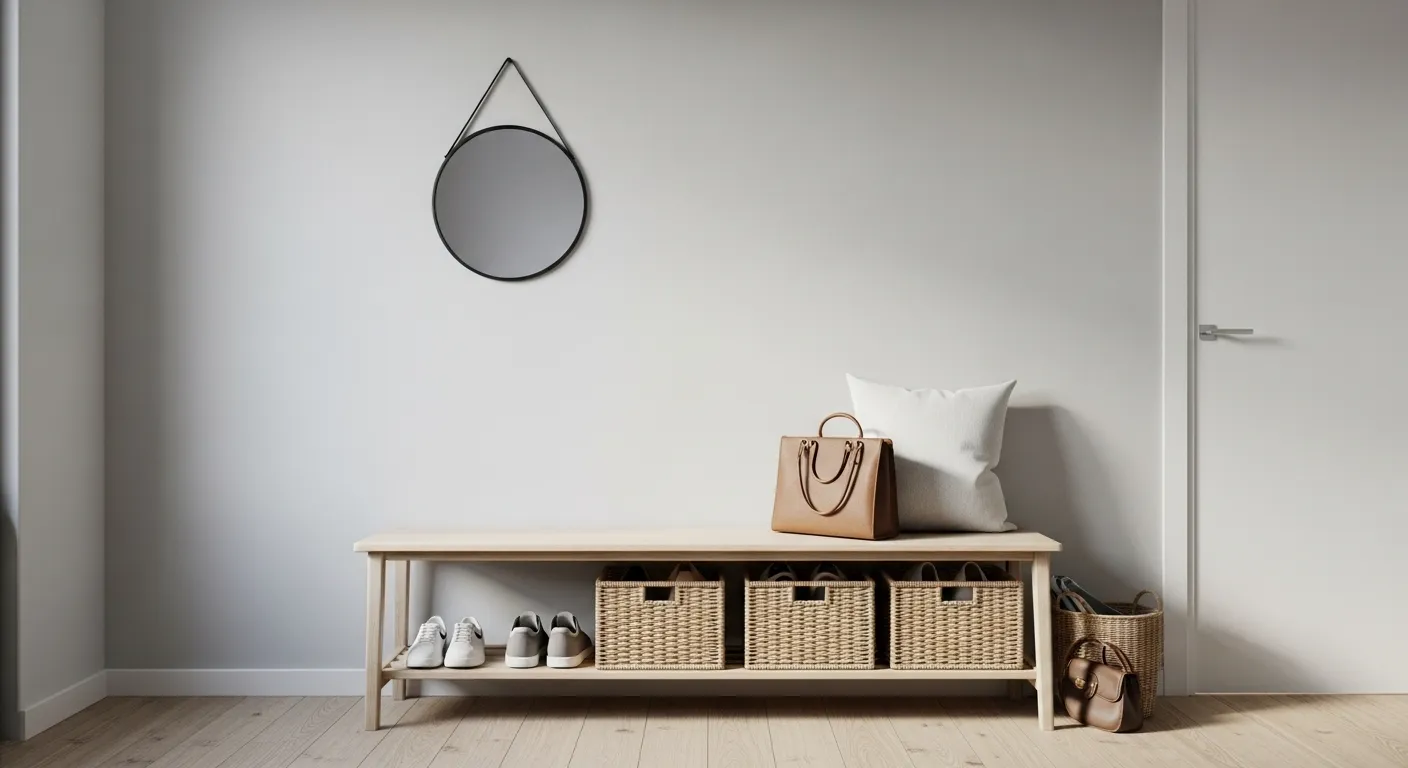
What is the root cause of clutter?
The root cause of clutter often stems from a combination of psychological, environmental, and behavioral factors. Individuals may accumulate items due to emotional attachments, impulsive purchasing habits, or a lack of organizational systems. Environmental influences, such as limited storage space or busy lifestyles, can exacerbate the problem. Additionally, procrastination and indecision about what to keep or discard contribute to clutter, creating a cycle that is difficult to break without proactive intervention and effective management strategies.
What is the Root Cause of Clutter?
Understanding Clutter: A Multifaceted Issue
Clutter is more than just a collection of things lying around your home; it often reflects deeper issues that impact your daily life and peace of mind. By identifying the root causes of clutter, you can tackle it more effectively and create a more organized, stress-free environment. Let’s delve into the various reasons behind clutter and discover actionable steps to reclaim your space.
Common Emotional Triggers of Clutter
Emotions play a significant role in how we accumulate and manage our belongings. Here are some common emotional triggers that lead to clutter:
- Sentimentality: Holding onto items with emotional value can clutter your space. Whether it’s gifts from loved ones or old photographs, it’s essential to assess their true significance.
- Perfectionism: The desire to have everything in perfect order can lead to procrastination. You may delay organizing until you have the perfect solution, which leads to more clutter.
- Fear of Letting Go: Many individuals hold onto items out of fear that they might need them in the future or feel guilty about discarding gifts.
- Overwhelm: When faced with too many belongings, the sheer volume can cause stress, making it harder to start decluttering.
Practical Strategies to Overcome Emotional Clutter Triggers
Addressing emotional factors is key to reducing clutter. Here are some practical strategies:
- Set Boundaries: Determine which items you truly value and set limits on how much follows you home. A one in, one out rule can help maintain balance.
- Emotional Inventory: Before letting go of sentimental items, reflect on their significance. Ask yourself if they bring joy or simply take up space.
- Start Small: Break down your decluttering process into manageable tasks. Focus on one drawer or closet at a time to avoid feeling overwhelmed.
- Practice Mindfulness: Engage in mindfulness activities that encourage you to reflect on your attachments to possessions, making the decluttering process less emotional.
Time Management and the Clutter Connection
Time management plays a pivotal role in how clutter accumulates. Poor time management can lead to disorganization and increased stress. Here are some insights:
- Busy Lifestyles: Juggling work, family, and personal commitments often leaves little time for organization. The more overwhelmed you feel, the more clutter can grow.
- Lack of Routine: Without consistent cleaning and organizing routines, small messes can snowball into major clutter.
- Procrastination: Delaying decluttering tasks can lead to a buildup, making it seem impossible to tackle later on.
Developing Efficient Living Routines to Combat Clutter
Establishing effective routines can significantly diminish clutter. Here are some steps to get started:
- Create a Decluttering Schedule: Dedicate specific time slots each week to declutter different areas of your home. Treat it like an appointment you cannot miss.
- Time Blocking: Use time blocking to allocate dedicated blocks specifically for cleaning and organizing activities. Make these a priority in your calendar.
- Implement Daily Routines: Engage in small daily habits, such as the 2-Minute Rule (if a task takes less than two minutes, do it immediately), to keep clutter at bay.
- Involve the Family: Foster a family culture of organization. Delegate tasks to family members to make cleaning less daunting and more manageable.
The Influence of Materialism on Clutter
In today’s consumer-driven society, materialism can greatly contribute to clutter. Here are ways to combat this influence:
- Define Your Needs: Before making a purchase, evaluate whether you truly need an item or if it’s an impulse buy.
- Practice Minimalism: Consider adopting a minimalist mindset where you prioritize quality over quantity. This can significantly reduce unwanted accumulation.
- Set Goals: Create specific goals around your purchases, such as saving for experiences rather than items.
Environmental Factors Contributing to Clutter
Your physical environment can also impact how clutter forms. Here are key influences:
- Lack of Storage Solutions: Without adequate storage, items easily pile up. Evaluate your current implements and invest in multi-functional furniture or storage options.
- Decor and Design Aesthetics: Spaces that are not visually appealing may lead to neglect. Create a pleasant and inviting environment that inspires organization.
- Space Limitations: If your home is cramped or poorly designed, it can worsen clutter issues. Downsizing and smart organization can help make the most of the space you have.
Establishing Effective Storage Solutions
Effective storage solutions are crucial in managing clutter. Here are practical tips for you:
- Utilize Vertical Space: Invest in shelves or cabinets that extend upward. This maximizes storage without taking up precious floor space.
- Multi-functional Furniture: Consider furniture that doubles as storage, such as ottomans that open up to hold blankets or toys.
- Label Everything: Use labels on storage bins to ensure everyone knows where items belong. Labeling helps reduce clutter by making it easy to find and return items.
- Utilize Baskets and Bins: Organizing items by category in bins or baskets can prevent miscellaneous clutter from taking over surfaces. Clear, labeled bins work well for visibility.
Taking Action: Your Clutter-Free Journey Begins
Addressing the root cause of clutter is a journey that involves emotional reflection, practical systems, and consistent management. Here’s how to begin:
- Assess Your Relationship with Clutter: Spend time understanding what clutter means to you. Take notes on emotional triggers or time management struggles.
- Implement Changes Gradually: Start with one trigger or area at a time. Making small, manageable changes is more sustainable than attempting to overhaul your whole home at once.
- Celebrate Small Wins: As you tackle clutter, celebrate your successes! This positive reinforcement can motivate you to continue on your decluttering journey.
- Seek Support: Consider joining a community of like-minded individuals who can offer encouragement and accountability in your decluttering efforts.
By understanding the root causes of clutter and employing practical strategies, you can create a harmonious living space that supports your lifestyle, reduces stress, and enhances efficiency. As you embark on your organization journey, remember that every step, no matter how small, contributes to your overall goal of a clutter-free home.

Related Articles
Our Categories:
-
⭐ Organization & Practical Living: Seu guia fundamental para criar um lar funcional, implementar sistemas de eficiência e construir uma vida cotidiana mais organizada e livre de estresse.
-
🏠 Home Organization: Guias fundamentais e planos sistemáticos para organizar cada cômodo, garantindo um layout de casa eficiente e livre de desordem.
-
✨ Decluttering Tips: Estratégias acionáveis, conselhos de especialistas e métodos passo a passo para simplificar seu espaço, reduzir pertences e manter uma mentalidade minimalista.
-
🧼 Cleaning Routines: Checklists eficientes, truques de limpeza rápida e recomendações de produtos sustentáveis para manter uma casa limpa e brilhante sem estresse.
-
📦 Storage Solutions: Ideias criativas e práticas para maximizar cada centímetro de espaço, utilizando armazenamento vertical e investindo em recipientes inteligentes e funcionais.
-
🗺️ Room By Room Guides: Tutoriais detalhados e específicos, e checklists para organização profunda e estilo de áreas individuais como cozinha, quarto e hall de entrada.
-
💡 Daily Life Hacks: Dicas rápidas e inteligentes, e ajustes simples na rotina diária que economizam tempo, aumentam a energia e tornam a vida cotidiana mais fácil de gerenciar.
-
⏳ Time Management Basics: Métodos simples e técnicas fundamentais para planejar, priorizar tarefas, definir metas e implementar o time-blocking para maximizar a produtividade.
-
✅ Checklists And Planners: Modelos para impressão, ferramentas e sistemas para planejar refeições, manutenção doméstica, mudança e rastreamento de tarefas para manter a vida funcionando perfeitamente.

What is the Root Cause of Clutter?
Clutter can often feel overwhelming, whether it’s in your home or finances. Understanding the root cause of clutter is essential, as it allows you to effectively tackle the issue and gain control over your environment. While many believe clutter arises from a lack of organization, the truth is that it often stems from deeper emotional and psychological factors. Individuals may hold onto items due to sentimental value, fear of scarcity, or even stress. Moreover, lifestyle choices, financial habits, and consumerism play significant roles in creating clutter. By addressing these root causes, one can work towards a more organized, peaceful, and financially savvy life.
Conclusion
In conclusion, identifying the root causes of clutter related to finance is crucial for developing effective strategies to manage it. Many people struggle with emotional attachments, impulsive spending, and a lack of organization. By addressing these factors, you can create a more orderly space, reduce financial stress, and enjoy greater clarity in your financial life. Investing in solutions designed to help minimize clutter can provide immediate relief and contribute to long-term financial success. Take the first step towards an organized life today by exploring products that can help you regain control over your finances and living space.
FAQs
What are common causes of clutter in finances?
Common causes include impulsive purchases, lack of budgeting, emotional spending, and not having a designated place for paperwork.
How does emotional attachment increase clutter?
Emotional attachment to items can cause individuals to hold onto unnecessary belongings, fearing that discarding them would diminish their memories or experiences.
What role does poor time management play in clutter?
Poor time management can prevent individuals from organizing their space, leading to accumulation and disorganization, particularly in financial documents.
Can clutter affect mental health?
Yes, clutter can lead to increased stress, anxiety, and overwhelm, making it harder to focus on financial goals and decisions.
How can consumer habits lead to clutter?
Consumer habits, such as buying items on sale or following trends, can lead to accumulating items that are never used, resulting in clutter.
What are practical steps to reduce financial clutter?
Practical steps include creating a budget, decluttering regularly, organizing documents, and setting limits on purchases.
Is clutter the same as disorganization?
Clutter often refers to an excess of items, while disorganization describes the state of items not being arranged, but they are interrelated concepts.
How can I motivate myself to declutter?
Set achievable goals, visualize the benefits of a decluttered space, and consider the positive financial impacts balance can bring.
Can professional organizers help with financial clutter?
Yes, professional organizers can provide strategies tailored to your financial documents, leading to a more streamlined and efficient budget management system.
How can minimalism reduce clutter?
Embracing minimalism encourages intentional spending and prioritizing essential items, which actively reduces clutter levels in both homes and finances.
Why is financial organization important?
Financial organization promotes clarity, reduces stress, and enhances decision-making abilities regarding money management and investments.
What are the benefits of reducing clutter?
Benefits include improved mental well-being, increased productivity, clarity in decision-making, and better financial management.
Can creating a budget help reduce clutter?
Yes, creating a budget allows you to track purchases and minimize unnecessary items, directly combating clutter accumulation.
How often should I declutter my finances?
It’s advisable to review and declutter your financial documents at least every six months to maintain an organized system.
What’s the first step to tackle clutter?
The first step is to assess what items you have and identify which are necessary, sentimental, or simply excess, and start organizing accordingly.