What does Jesus say about minimalism?
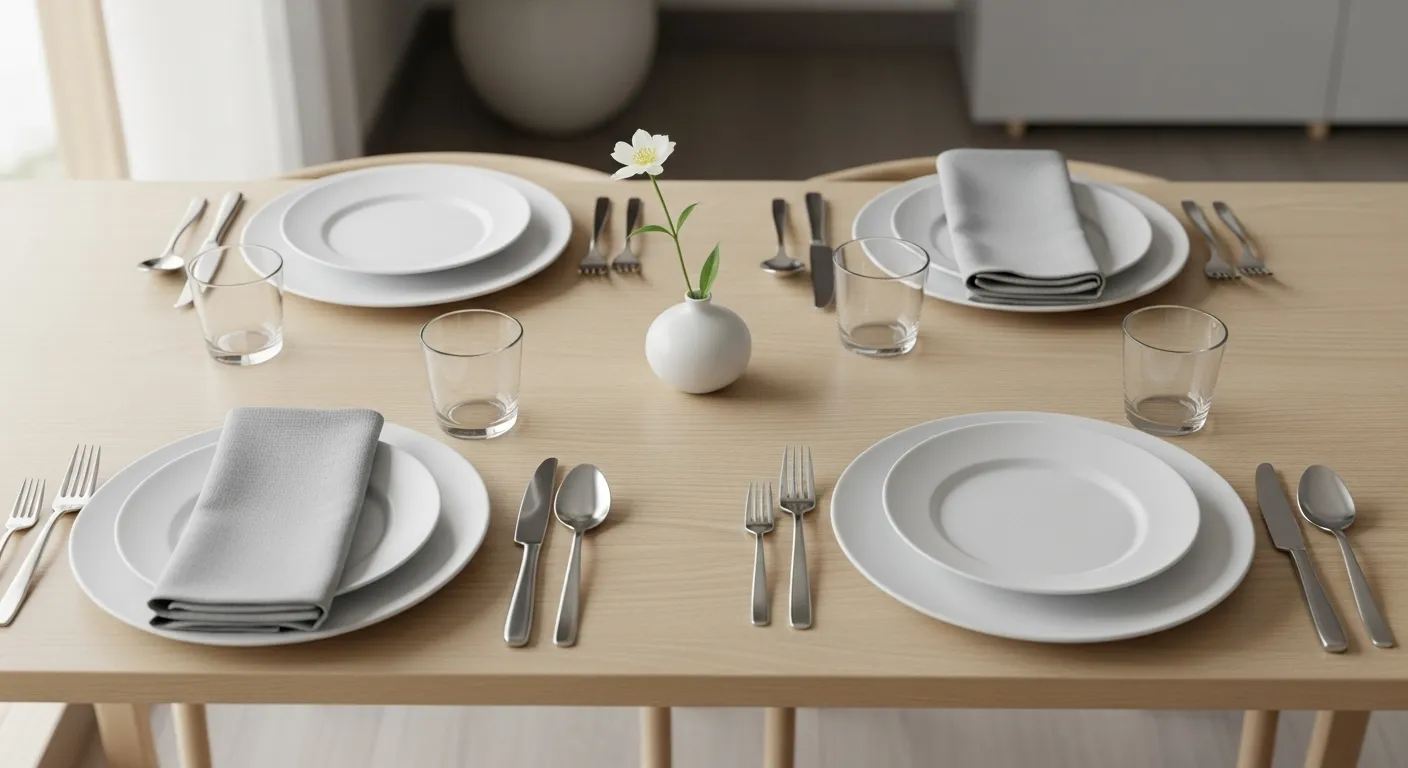
What does Jesus say about minimalism?
Jesus’ teachings often highlight the importance of prioritizing spiritual wealth over material possessions. In Matthew 6:19-21, He advises against storing treasures on earth, emphasizing that true riches lie in heavenly pursuits. His call to simplicity is further echoed in Luke 12:15, where He warns against greed, stating that life does not consist in abundance. Through these messages, Jesus advocates for a minimalist lifestyle focused on faith, generosity, and deeper connections with others rather than material accumulation.
What Does Jesus Say About Minimalism?
The Foundations of Minimalism in Scripture
Minimalism, often focused on the concept of living with less, is a principle that resonates with many teachings found in the Bible. Jesus emphasized simplicity, humility, and prioritizing spiritual over material wealth:
- Matthew 6:19-21 – “Do not store up for yourselves treasures on earth… For where your treasure is, there your heart will be also.” This highlights the importance of valuing spiritual wealth over material possessions.
- Luke 9:58 – “Foxes have dens and birds have nests, but the Son of Man has no place to lay his head.” This illustrates Jesus’ own minimalist lifestyle and His focus on mission over comfort.
- Matthew 11:28-30 – “Come to me, all you who are weary and burdened, and I will give you rest.” A call to offload our burdens, which can be interpreted as both emotional and physical clutter.
Understanding Clutter from a Biblical Perspective
Clutter isn’t just a physical state; it can also be emotional and spiritual. Jesus encourages us to evaluate what we hold onto in our lives:
- The “Thorns” (Matthew 13:22) – Jesus spoke about the seed that fell among thorns, which choked the plants. In our lives, unnecessary clutter can choke our spiritual growth.
- Prioritizing Relationships Over Possessions – Jesus frequently emphasized relationships and community over material gain. By decluttering our homes, we create space for meaningful connections.
Practical Steps Toward a Minimalist Lifestyle
Transitioning towards minimalism can be an empowering experience. Here are some actionable steps inspired by Jesus’ teachings:
1. Reflect on Your Priorities
Identify what truly matters in your life, much like how Jesus prioritized His mission. This can often be family, faith, or community.
2. Conduct a Clutter Audit
Take a room-by-room approach to evaluate what items you use and cherish:
- Set aside time each week to focus on a specific area.
- Ask yourself: “Does this bring me joy or serve a purpose?”
3. Practice Gratitude
Jesus modeled gratitude in all circumstances. By appreciating what you have rather than longing for more, you can naturally reduce clutter.
Creating Systems for Efficient Living
As you journey into minimalism, developing systems can streamline your life:
1. Implementing Decluttering Routines
Establish a **weekly schedule** to tackle different zones in your home:
- Choose one room each week.
- Spend 15-30 minutes removing unnecessary items or organizing.
2. Employ Time Blocking Techniques
Similar to how Jesus devoted time to prayer and service, adopt time blocking to allocate specific periods for household tasks:
- Designate blocks for cleaning, decluttering, and organizing.
- Create a structure that limits distractions, ensuring a focused effort on maintaining a minimalist home.
Storage Solutions That Align with Minimalism
Minimalism doesn’t mean living in an empty space; it’s about intentionality in what you keep. Here are some storage solutions:
1. Use Multi-Functional Furniture
Select pieces that serve multiple purposes, such as:
- Ottomans that open for storage.
- Beds with built-in drawers.
2. Maximize Vertical Space
Utilize shelves and wall space cleverly:
- Install floating shelves in living areas, kitchens, and even bathrooms to keep surfaces clear.
- Use hooks or pegboards to display tools or accessories attractively.
Room by Room Decluttering Guide
Adopting a minimalist mindset can begin room by room. Here’s a structured plan:
1. Bedroom: Create a Serene Sanctuary
Focus on essentials:
- Limit clothing to what you wear regularly.
- Keep surfaces clear for a calming effect.
2. Living Room: Fostering Connection
Ensure the living space reflects your core values:
- Limit decorative items to a few meaningful pieces.
- Use draws or baskets to store remote controls and magazines.
3. Kitchen: Simplify Meal Prep
A functional kitchen supports healthy eating:
- Purge utensils and gadgets you never use.
- Organize your pantry with clear containers for easy access.
Emotional and Spiritual Benefits of Minimalism
Minimalism can lead to emotional and spiritual well-being. Here are some benefits explained through Jesus’ teachings:
- Peace of Mind – With less clutter, there’s less to worry about, allowing you to focus on more important aspects of life.
- Deeper Relationships – By decluttering your space, you create opportunities to welcome loved ones without the stress of a chaotic environment.
- Greater Focus on Faith – Simplifying your surroundings can translate to a more intentional and focused spiritual life.
Living Out Minimalism in Everyday Life
To truly embody a minimalist lifestyle, consider these practices:
1. Mindful Consumption
Before acquiring new items, follow this principle:
- Ask yourself if the new item is necessary or if it will enhance your life.
- Give away or donate an item for every new item you bring into the home.
2. Regular Spiritual Check-Ins
Embed reflective practices akin to Jesus’ retreats into nature:
- Schedule quiet time for prayers or meditation.
- Consider your current lifestyle: Is it aligned with your faith and values?
Conclusion
While this guide does not include a formal conclusion, it is important to recognize that minimalism from a Biblical perspective encourages a life rich in contentment and focused on spiritual growth rather than material accumulation. Embrace this journey, allowing Jesus’ teachings to inspire your decluttering processes and promote a living space filled with peace and purpose.

Related Articles
Our Categories:
-
⭐ Organization & Practical Living: Seu guia fundamental para criar um lar funcional, implementar sistemas de eficiência e construir uma vida cotidiana mais organizada e livre de estresse.
-
🏠 Home Organization: Guias fundamentais e planos sistemáticos para organizar cada cômodo, garantindo um layout de casa eficiente e livre de desordem.
-
✨ Decluttering Tips: Estratégias acionáveis, conselhos de especialistas e métodos passo a passo para simplificar seu espaço, reduzir pertences e manter uma mentalidade minimalista.
-
🧼 Cleaning Routines: Checklists eficientes, truques de limpeza rápida e recomendações de produtos sustentáveis para manter uma casa limpa e brilhante sem estresse.
-
📦 Storage Solutions: Ideias criativas e práticas para maximizar cada centímetro de espaço, utilizando armazenamento vertical e investindo em recipientes inteligentes e funcionais.
-
🗺️ Room By Room Guides: Tutoriais detalhados e específicos, e checklists para organização profunda e estilo de áreas individuais como cozinha, quarto e hall de entrada.
-
💡 Daily Life Hacks: Dicas rápidas e inteligentes, e ajustes simples na rotina diária que economizam tempo, aumentam a energia e tornam a vida cotidiana mais fácil de gerenciar.
-
⏳ Time Management Basics: Métodos simples e técnicas fundamentais para planejar, priorizar tarefas, definir metas e implementar o time-blocking para maximizar a produtividade.
-
✅ Checklists And Planners: Modelos para impressão, ferramentas e sistemas para planejar refeições, manutenção doméstica, mudança e rastreamento de tarefas para manter a vida funcionando perfeitamente.

What Does Jesus Say About Minimalism?
In today’s fast-paced world, many Americans are seeking a more meaningful life. Minimalism, the practice of living with less, resonates with spiritual teachings, particularly those of Jesus. His messages often emphasize the importance of prioritizing spiritual wealth over material possessions. By adopting a minimalist lifestyle, individuals can find freedom from the clutter that burdens their lives, allowing them to focus on what truly matters: relationships, faith, and service to others. This approach doesn’t only enhance spiritual well-being but also significantly impacts financial health.
Conclusion
In conclusion, Jesus’ teachings highlight the significance of minimalism as a pathway to a more profound spiritual and financial life. By embracing a minimalist mindset, believers are encouraged to release their attachment to material possessions and cultivate a heart focused on love, compassion, and generosity. This mindset not only aligns with Christian values but also presents an opportunity to manage finances more effectively. As you consider your relationship with money and possessions, reflect on how Jesus’ message can guide you toward a fulfilling minimalism that enriches your life and the lives of those around you.
Frequently Asked Questions
1. What is minimalism from a Christian perspective?
Minimalism in Christianity focuses on simplifying life, emphasizing spiritual growth over material accumulation, and understanding what truly enriches one’s life.
2. How does Jesus view wealth?
Jesus often taught that wealth can be a distraction from spiritual richness, suggesting that it’s easier for a camel to pass through the eye of a needle than for a rich person to enter the kingdom of God.
3. Can minimalism lead to financial freedom?
Yes, by reducing unnecessary expenses and focusing on essentials, minimalism can help individuals save money, eliminate debt, and allocate funds towards meaningful experiences and needs.
4. What did Jesus say about material possessions?
Jesus taught that one should not store up treasures on Earth but rather invest in heavenly treasures. This encourages prioritizing lasting values over temporary possessions.
5. How can minimalism improve my spiritual life?
Minimalism helps clear distractions, allowing more time for prayer, meditation, and community service, which are essential for spiritual growth and connection with God.
6. Is it possible to be wealthy and minimalist?
Yes, a minimalist can be wealthy but will focus on using wealth responsibly, ensuring that possessions do not define their worth or distract from spiritual goals.
7. How do I start living a minimalist lifestyle?
Begin by assessing your possessions, decluttering, and focusing on what truly brings joy and purpose, aligning your acquisition with your values.
8. What are the benefits of minimalism?
- Less stress from material clutter.
- Increased financial savings.
- Better focus on relationships and spiritual practice.
- More time for meaningful pursuits.
9. Can minimalism help with anxiety?
Yes, minimalism can reduce anxiety by creating a more orderly and peaceful environment, thus allowing for better mental clarity and emotional well-being.
10. How does minimalism relate to generosity?
Minimalism encourages sharing and giving, as it promotes a mindset of abundance rather than scarcity, leading to more acts of kindness and charity.
11. What role does gratitude play in minimalism?
Gratitude is essential in minimalism, as it shifts focus from what is lacking to appreciating what one already has, fostering contentment and joy.
12. How can minimalism impact family finances?
Adopting minimalism can lead to clearer financial goals, reduced expenses, and more agile decision-making about spending and saving as a family.
13. Are there scriptures that support minimalism?
Yes, passages like Matthew 6:19-21 emphasize the importance of prioritizing eternal values over earthly riches, supporting a minimalist approach.
14. How can minimalism benefit my community?
By living minimally, individuals can contribute surplus resources to those in need, fostering a spirit of community and service, aligned with Christ’s teachings.
15. What are some minimalist practices I can adopt today?
Start by decluttering your home, evaluating your spending habits, focusing on experiences over things, and incorporating mindful practices into daily routines.