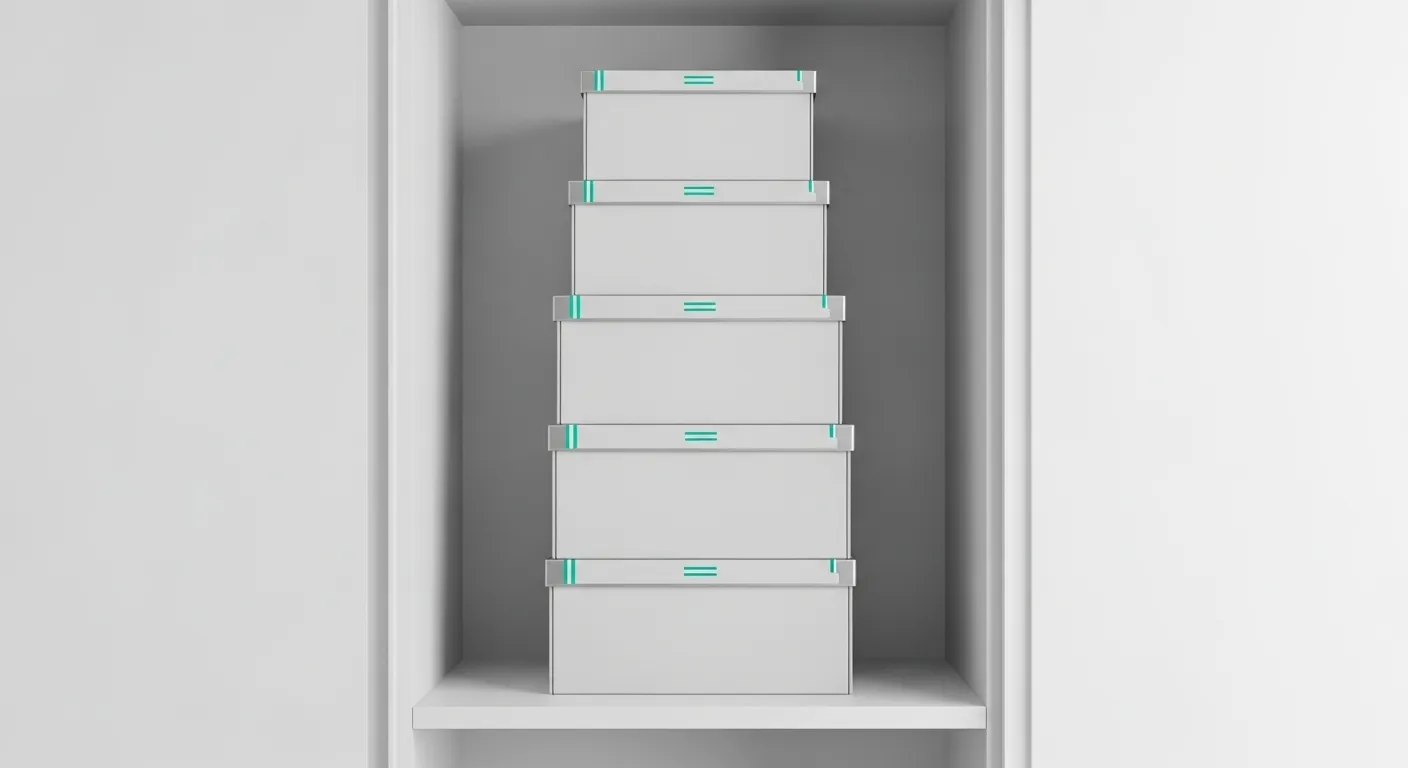
When decluttering, where do you start first?

When decluttering, where do you start first?
When decluttering, it’s essential to start with a specific area that will have the most impact on your space and mindset. Many experts recommend beginning with a small space, such as a drawer or a single shelf, to avoid overwhelm and build momentum. Focus on one category at a time—clothing, books, or kitchen items—and systematically evaluate each item’s necessity and value. This approach fosters clarity and encourages sustainable habits for future organization.
When Decluttering, Where Do You Start First?
Understanding the Psychology of Clutter
Before diving into the decluttering process, it’s essential to understand the psychology behind clutter. Clutter can create significant stress and overwhelm. It often represents unfinished tasks, emotions, or unfulfilled aspirations. Recognizing these triggers can help pave the way for a smoother decluttering journey. Taking the time to reflect on your possessions will motivate you to make intentional decisions about what to keep and what to let go of.
Setting Your Decluttering Goals
Start by defining your goals. Are you decluttering to make space, reduce stress, or prepare for a move? Knowing your why will guide your decisions. Here’s how to set effective goals:
- Be specific: Instead of just saying “I want to declutter,” specify “I want to clear my living room to create a more inviting space.”
- Set a timeline: Aim for a realistic timeframe, such as one room per week or 30 minutes a day.
- Visualize the end result: Imagine how you want your space to look and feel once clutter is removed.
Choosing Where to Start
Choosing a starting point is often the most daunting part of decluttering. Here are some strategies to help you decide:
- Start small: Focus on a single drawer, shelf, or corner. A small task can lead to a sense of accomplishment and motivate you to keep going.
- Target high-impact areas: Areas you use frequently, like the kitchen or living room, can be good starting points. Clearing these out can immediately enhance your daily living.
- Follow the 80/20 rule: Ideally, 20% of your items are used 80% of the time. Focus on the items you use regularly and clear out the rest.
- Consider your clutter hotspots: Identify areas that consistently become cluttered. Decluttering these spots can reduce stress in the long term.
The Decluttering Process: Step-by-Step
Once you’ve chosen a starting point, follow these clear steps to efficiently declutter:
1. Gather Your Supplies
Before you begin, arm yourself with the following:
- Medium-sized trash bags for items to discard.
- Boxes or bins for items to donate or sell.
- A notepad for jotting down thoughts or organizing plans.
2. Sort with Purpose
Use the Four-Box Method: Label four boxes or bags as follows:
- Keep: Items you use regularly and truly want to keep.
- Donate: Items in good condition that you no longer need.
- Sell: Valuable items that you could sell for extra cash.
- Trash: Items that are broken or unsalvageable.
3. Evaluate Each Item
For each item, ask yourself:
- When was the last time I used this?
- Does it bring me joy or serve a purpose?
- Would I purchase this again if I didn’t own it?
Answering these questions can help you make more informed decisions about your possessions.
4. Take Action Immediately
Once you’ve sorted your items, don’t let them linger. Take the following actions as soon as possible:
- Put items in the trash right away.
- Schedule a donation drop-off or pick-up within a week.
- If selling items, take photos and list them online within a few days.
Creating a Maintenance Routine
After decluttering, maintaining your space is crucial to prevent clutter from accumulating again. Here are some effective techniques:
- Daily tidy-ups: Spend 5-10 minutes every day putting things back in their place.
- Adopt the one in, one out rule: For every new item you bring into your home, consider letting go of one.
- Weekly check-ins: Dedicate time once a week to assess clutter levels in each room.
Overcoming Emotional Challenges
Many people struggle with the emotional aspects of decluttering. Here’s how to manage these feelings:
- Start with easier items: Begin with less emotionally charged items to build your confidence.
- Reflect on memories: If you’re struggling to part with sentimental items, take photos of them before letting go.
- Practice self-compassion: Recognize that it’s normal to feel attached to items and give yourself grace during this process.
Enlisting Help: When and How to Ask
Sometimes decluttering can feel overwhelming, and that’s okay! Here are a few ways to get help:
- Ask a friend: Bring in a trusted friend or family member who can provide an objective view.
- Hire a professional organizer: If budget allows, hiring an expert can streamline the process and provide accountability.
- Join a decluttering group: Online forums or local groups can offer support and inspiration.
Final Tips for Stress-Free Decluttering
As you embark on your decluttering journey, keep these additional tips in mind for a smoother experience:
- Be patient: Decluttering is a process that may take time. Celebrate small victories along the way.
- Stay focused: If distractions arise, gently bring your attention back to the task at hand.
- Reward yourself: Create a small reward system for accomplishing your decluttering tasks; it’s a way to stay motivated!
By understanding where to start and implementing actionable steps, decluttering your home can become a rewarding experience rather than a stressful endeavor. The journey to a peaceful and organized space is within your reach, and each step you take brings you closer to a serene living environment.

Related Articles
Our Categories:
-
⭐ Organization & Practical Living: Seu guia fundamental para criar um lar funcional, implementar sistemas de eficiência e construir uma vida cotidiana mais organizada e livre de estresse.
-
🏠 Home Organization: Guias fundamentais e planos sistemáticos para organizar cada cômodo, garantindo um layout de casa eficiente e livre de desordem.
-
✨ Decluttering Tips: Estratégias acionáveis, conselhos de especialistas e métodos passo a passo para simplificar seu espaço, reduzir pertences e manter uma mentalidade minimalista.
-
🧼 Cleaning Routines: Checklists eficientes, truques de limpeza rápida e recomendações de produtos sustentáveis para manter uma casa limpa e brilhante sem estresse.
-
📦 Storage Solutions: Ideias criativas e práticas para maximizar cada centímetro de espaço, utilizando armazenamento vertical e investindo em recipientes inteligentes e funcionais.
-
🗺️ Room By Room Guides: Tutoriais detalhados e específicos, e checklists para organização profunda e estilo de áreas individuais como cozinha, quarto e hall de entrada.
-
💡 Daily Life Hacks: Dicas rápidas e inteligentes, e ajustes simples na rotina diária que economizam tempo, aumentam a energia e tornam a vida cotidiana mais fácil de gerenciar.
-
⏳ Time Management Basics: Métodos simples e técnicas fundamentais para planejar, priorizar tarefas, definir metas e implementar o time-blocking para maximizar a produtividade.
-
✅ Checklists And Planners: Modelos para impressão, ferramentas e sistemas para planejar refeições, manutenção doméstica, mudança e rastreamento de tarefas para manter a vida funcionando perfeitamente.

When Decluttering, Where Do You Start First?
Many people find decluttering to be an overwhelming task, especially when it comes to finances and budgeting. Knowing where to start can make all the difference in achieving a more organized and stress-free environment. By focusing on specific areas like your financial documents, digital assets, and unnecessary subscriptions, you can streamline your financial life and put more money back in your pocket. Let’s break down how to begin your decluttering journey effectively and efficiently, especially in terms of managing your financial health.
Key Areas to Start Decluttering
- Financial Documents: Review paid bills, old invoices, and statements.
- Digital Subscriptions: Cancel unused memberships and services.
- Budgets: Reassess your monthly spending and savings goals.
- Physical Space: Tackle real clutter that may hide financial liabilities.
Conclusion
Decluttering is not just about freeing up space; it’s also a way to take control of your financial future. By starting with financial documents, digital subscriptions, and reorganizing budgets, you lay a strong foundation for better financial health. Each small step in decluttering leads to significant improvements in managing finances and ultimately achieving your financial goals. Dive into your decluttering process today and see how much lighter and more empowered you can feel while also saving money!
FAQs About Decluttering Finances
1. What should be the first step in decluttering financial documents?
Begin by sorting through your financial documents, separating important papers from what can be shredded or discarded. Prioritize items like tax returns and bank statements.
2. How often should I declutter my financial space?
It’s advisable to declutter financial documents at least once a year, while digital subscriptions can be reviewed quarterly.
3. What financial documents do I need to keep?
Keep important documents like tax returns, investment records, and mortgage information, ideally for up to seven years.
4. Can decluttering help improve my budget?
Yes, decluttering can highlight unnecessary spending areas, allowing you to create a more effective and realistic budget.
5. How do I deal with emotional attachments to documents?
Practice detachment by focusing on the utility of each document. Consider taking photos of sentimental items before disposing of them.
6. What is the easiest way to track financial subscriptions?
Use financial management apps that track subscriptions and alert you when charges are made, simplifying your review process.
7. How can I deal with digital clutter?
Unsubscribe from mailing lists, delete old accounts, and organize your files on cloud storage for better accessibility.
8. Is it worth it to hire a professional organizer for finances?
Hiring a professional can be beneficial if you’re struggling; they provide expertise and accountability that can streamline the process.
9. What are common financial mistakes to declutter?
Common mistakes include not tracking spending, keeping unnecessary subscriptions, and overlooking pending bills. Review these areas for improvement.
10. How can decluttering reduce monthly expenses?
By canceling unused subscriptions and budgeting more effectively, you can significantly reduce unnecessary monthly expenses.
11. Should I digitize my financial records?
Digitizing records can save space and improve organization, but ensure you back everything up securely to avoid loss.
12. How do I create a decluttering timeline?
Set specific goals for each decluttering session, allocating time slots for different areas. Gradually tackle one section at a time.
13. What should I do with old checks and financial statements?
Old checks can be shredded, while outdated financial statements should be evaluated and discarded if no longer needed.
14. How can I stay motivated throughout the decluttering process?
Set achievable goals, celebrate small wins, and remind yourself of the benefits of a clutter-free financial life.
15. What resources can help with financial decluttering?
Consider using budgeting apps, books on financial organization, or courses focused on personal finance for guidance and motivation.