What is something you will never leave at home?
What is something you will never leave at home?
One essential item that I would never leave at home is my smartphone. This device serves multiple critical functions, including communication, navigation, and access to vital information. In today’s fast-paced world, staying connected and informed is paramount for both personal and professional success. Additionally, smartphones offer tools for productivity and organization, such as calendars and reminders, which help manage time effectively. Consequently, forgetting my smartphone could significantly disrupt my daily activities and responsibilities.
What is Something You Will Never Leave at Home?
The Importance of Essentials in Our Daily Lives
In our busy lives, forgetting something we truly need can throw a wrench into our day. When we think about the items we wouldn’t dream of leaving behind, these essentials often reflect our personal habits, lifestyles, and routines. Have you ever asked yourself what one thing you would never leave home without? This guide not only helps identify those essentials but provides actionable strategies to ensure that you keep your life organized, decluttered, and stress-free while being efficient in your time management.
Identifying Your Non-Negotiables
The first step in effectively managing your essentials is identifying what truly matters to you. These items may vary from one individual to another, but they typically fall into a few key categories:
- Personal Identification: ID card, driver’s license, or passport.
- Financial Essentials: Wallet with credit cards and cash.
- Technology: Smartphone or tablet with charging options.
- Health and Hygiene: Medications, hand sanitizer, or personal care items.
- Work-Related Items: Laptop, notebook, or planner.
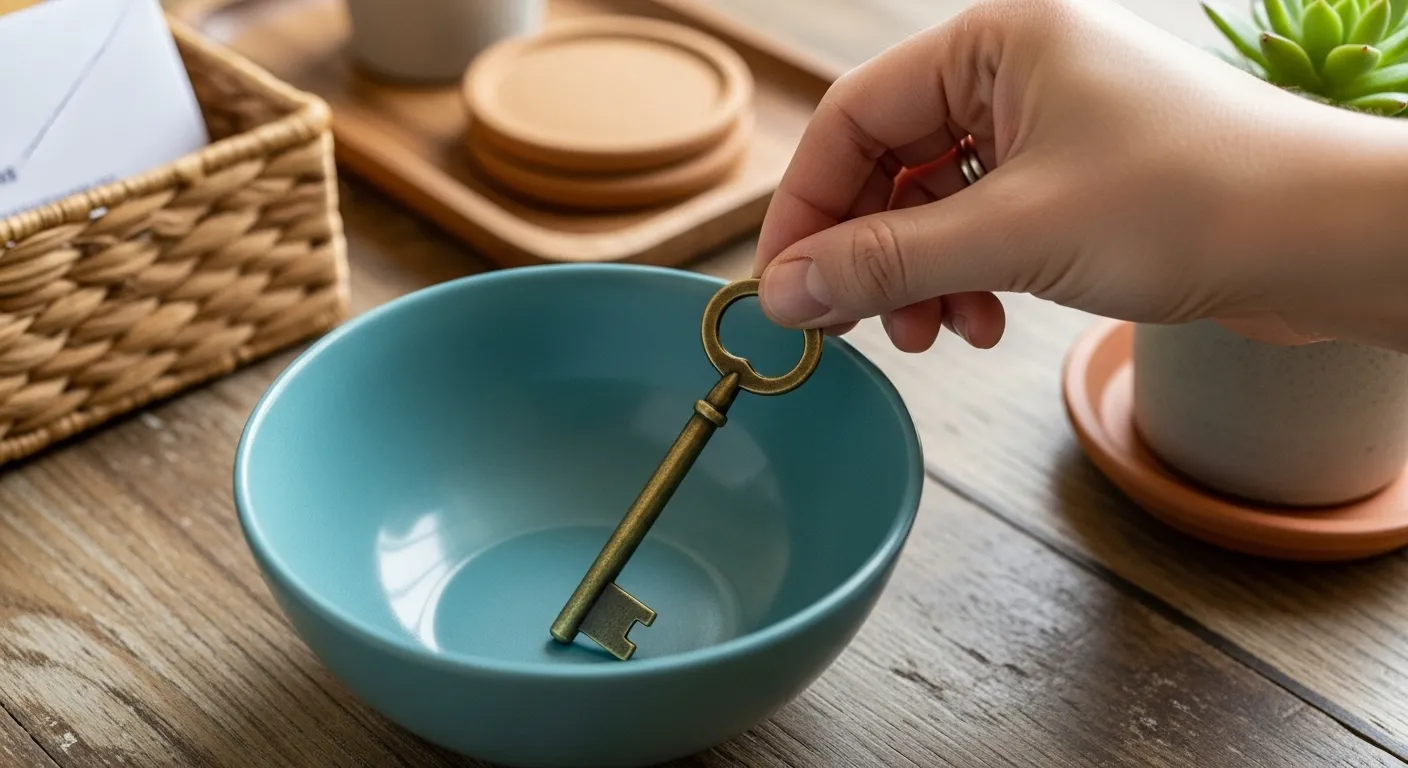
- Keys: House keys or work keys.
Make a list of your personal non-negotiables based on the categories above. This will not only streamline your approach to leaving home but also signify what is essential for your daily success.
Creating a “Leave-Home” Checklist
Once you have identified your non-negotiables, the next step is to create a “leave-home” checklist. This can be a simple but powerful organizational tool, ensuring nothing essential gets forgotten:
- Review your essentials list regularly.
- Create a daily checklist on paper or use a digital application.
- Keep this checklist accessible, such as on your fridge or inside your bag.
Utilizing checklists aids in time management by giving you a visual reminder of what you need—eliminating any last-minute stress or clutter as you prepare to leave.
Decluttering Your Essentials: Less is More
While it’s important to have the right essentials, it’s equally crucial to avoid clutter. Ask yourself if you really need every item you consider an ‘essential.’ Simplifying your list can prevent overwhelming clutter. Incorporate these practices to keep your essentials streamlined:
- Evaluate your items regularly; don’t hesitate to remove what you truly don’t need.
- Aim to adopt a minimalist approach; prioritize quality over quantity.
- Think about dual-purpose items, such as a phone that serves both as a device and a planner.
By decluttering, you not only make your essentials easier to carry but also foster a simplified and systemized life.
Establishing a Systematic Packing Routine
Consistency is key to never forgetting your essentials. Establishing a systematic packing routine is an effective way to ensure you’re always prepared:
- **Nightly Prep**: Before you go to bed, pack your bag with your essentials.
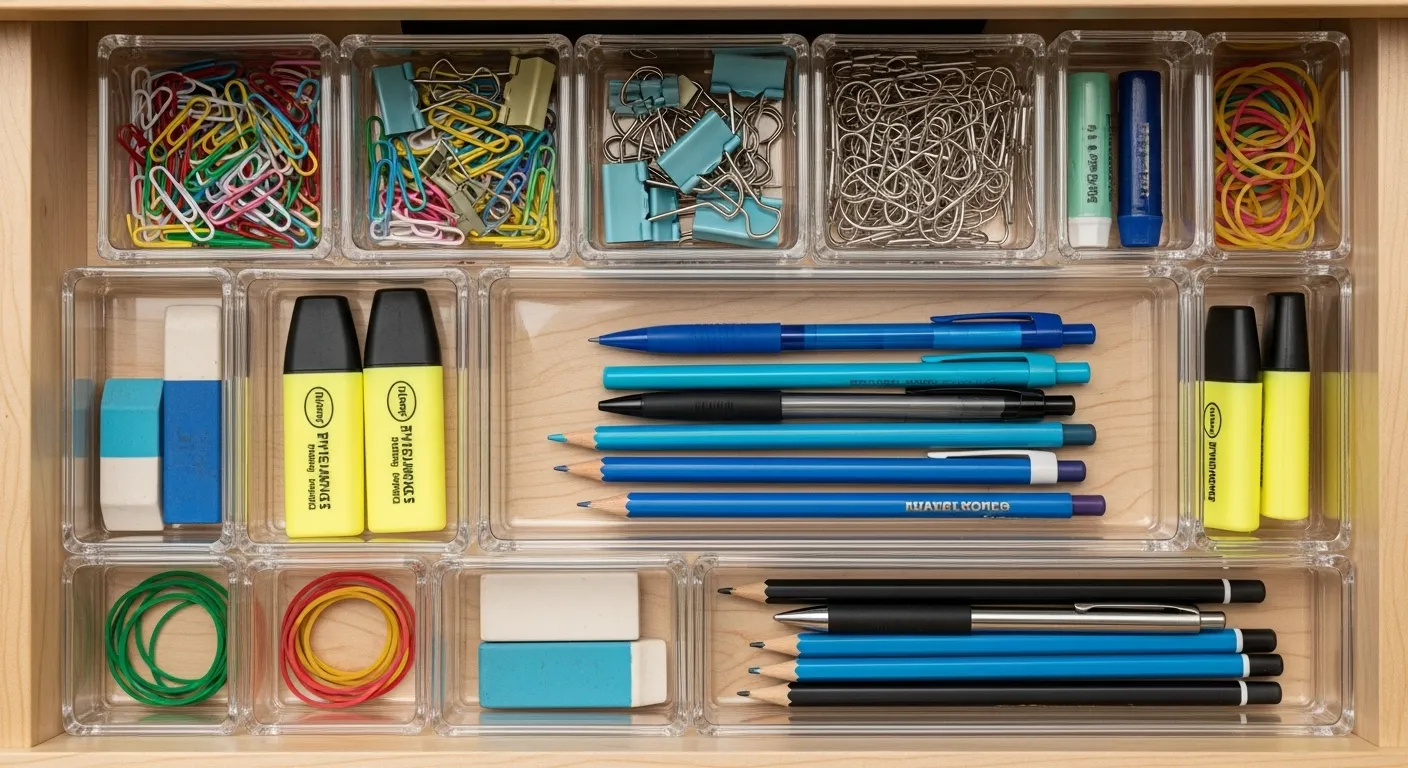
- **Designated Spaces**: Allocate specific areas in your bag or home for each essential item.
- **Visual Cues**: Consider using colored stickers or tags for key items, especially if you have children or multiple people in your household.
By following these steps, you’ll develop an effective system that minimizes the chances of leaving something behind.
Utilizing Technology for Organization
In today’s tech-savvy world, there are many digital tools available to assist with your organization and time management:
- Reminder Apps: Use apps like Todoist or Google Keep to set reminders for your essentials.
- Digital Notes: Jot down any last-minute items you might want to add to your packing list.
- Calendar Alerts: Schedule alerts before your work or social commitments to give you plenty of time to pack your essentials.
Technology can be a powerful ally in helping you stay organized and efficient in your daily routines, turning potential chaos into a structured process.
Incorporating Family and Household Expectations
If you live with family members, it’s important to discuss essential items openly. Collaborative communication can aid in establishing shared routines and responsibilities—especially if you’re coordinating schedules:
- Involve everyone in discussing what items are essential for group outings.
- Delegate responsibilities based on individual strengths. For instance, one person may be responsible for tech items while another packs snacks.
- Regular family meetings can keep everyone on the same page regarding essential packing and timelines.
This collaborative spirit not only reduces individual stress but also brings everyone closer together in managing daily routines.
Practicing Mindfulness and Self-Care During Routines
Routine isn’t just about checking off lists; it’s also an opportunity to practice mindfulness and self-care. While preparing to leave home, take a moment to breathe and focus on your needs:
- Use these moments to reflect on your goals for the day.
- Engage in a simple mindfulness exercise, such as deep breathing, which can center your thoughts.
- Stay aware of how you’re feeling—if you sense stress creeping in, take a moment to reassess what you might need to still include as an essential.
Making space for mindfulness lightens the load, turns routine into a ritual, and ensures you leave home feeling calm and prepared for whatever the day holds.
Embracing Flexibility with Your Essentials
Life can be unpredictable—unexpected situations or changes in plans happen. It’s essential to remain flexible with your daily essentials:
- Be willing to adjust your list based on changing circumstances.
- Consider temporary essentials for unique situations, like extra layers of clothing if you’re heading to an outdoor event.
- Stay open-minded to learning from experiences; if you frequently forget a particular item during certain outings, make a note to include it in your list for next time.
Embracing flexibility allows you to adapt quickly without added stress, maintaining an organized and efficient lifestyle.

Related Articles
Our Categories:
-
⭐ Organization & Practical Living: Seu guia fundamental para criar um lar funcional, implementar sistemas de eficiência e construir uma vida cotidiana mais organizada e livre de estresse.
-
🏠 Home Organization: Guias fundamentais e planos sistemáticos para organizar cada cômodo, garantindo um layout de casa eficiente e livre de desordem.
-
✨ Decluttering Tips: Estratégias acionáveis, conselhos de especialistas e métodos passo a passo para simplificar seu espaço, reduzir pertences e manter uma mentalidade minimalista.
-
🧼 Cleaning Routines: Checklists eficientes, truques de limpeza rápida e recomendações de produtos sustentáveis para manter uma casa limpa e brilhante sem estresse.
-
📦 Storage Solutions: Ideias criativas e práticas para maximizar cada centímetro de espaço, utilizando armazenamento vertical e investindo em recipientes inteligentes e funcionais.
-
🗺️ Room By Room Guides: Tutoriais detalhados e específicos, e checklists para organização profunda e estilo de áreas individuais como cozinha, quarto e hall de entrada.
-
💡 Daily Life Hacks: Dicas rápidas e inteligentes, e ajustes simples na rotina diária que economizam tempo, aumentam a energia e tornam a vida cotidiana mais fácil de gerenciar.
-
⏳ Time Management Basics: Métodos simples e técnicas fundamentais para planejar, priorizar tarefas, definir metas e implementar o time-blocking para maximizar a produtividade.
-
✅ Checklists And Planners: Modelos para impressão, ferramentas e sistemas para planejar refeições, manutenção doméstica, mudança e rastreamento de tarefas para manter a vida funcionando perfeitamente.

In today’s fast-paced world, there are essential items we rely on every day, particularly in the realm of finances. For many, the wallet stands as the quintessential item that one would never leave at home. Not only does it hold your cash, but it also contains credit cards, identification, insurance information, and other vital documents. Forgetting it could disrupt transactions, hinder your ability to access funds, and even complicate travel plans. This article explores the importance of always having your wallet on hand and addresses some common questions surrounding this crucial item.
Why Is a Wallet So Important?
A wallet is your financial lifeline, carrying everything from cash to cards. It ensures you can make purchases, prove your identity, and maintain control over your finances.
FAQs
1. Why is carrying cash still important?
Despite digital payments, having cash can be invaluable for emergencies or places that only accept cash.
2. What should I keep in my wallet?
Include essential items like IDs, credit/debit cards, insurance cards, and emergency contacts.
3. How can I protect my wallet from theft?
Use RFID-blocking wallets and avoid leaving it unattended in public spaces.
4. What is the best type of wallet for daily use?
Consider a compact, slim design that accommodates your essentials without being bulky.
5. Should I carry multiple cards in my wallet?
Keep only what you need to avoid overcrowding and potential loss; rotate occasionally based on usage.
6. Can I use a digital wallet instead?
A digital wallet can be convenient, but it’s wise to have a physical wallet as a backup.
7. How often should I clean out my wallet?
Regularly check and remove expired cards, receipts, and items to maintain organization.
8. What features should I look for in a wallet?
Look for durability, RFID protection, compartments, and a design that suits your style.
9. Is it worth investing in a high-quality wallet?
Yes! A quality wallet lasts longer and provides better protection for your valuables.
10. How can I personalize my wallet?
Consider wallets with customizable colors or engravings for a unique touch.
11. What is the average lifespan of a wallet?
With proper care, a wallet can last anywhere from 3 to 10 years, depending on material and usage.
12. Can I wear my wallet without a purse or bag?
Yes! Many wallets come with straps or chains, making them easy to carry without a bag.
13. How do I choose a wallet for travel?
Opt for a travel wallet with slots for passports, tickets, and multiple currencies.
14. What should I do if I lose my wallet?
Contact your bank and report any lost cards immediately; consider monitoring your account for fraudulent activity.
15. What’s the best way to organize a cluttered wallet?
Sort cards and cash by frequency of use and regularly remove outdated items.
Conclusion
Ultimately, a wallet is something you will never leave at home due to its integral role in managing your finances and personal identification. In a world where convenience and accessibility are paramount, investing in a high-quality wallet that meets your needs is essential. It not only keeps your valuables safe but also enhances your daily efficiency. Remember, your wallet is more than just a necessity; it’s an extension of your financial identity. Make sure you choose wisely, and always carry it with you!