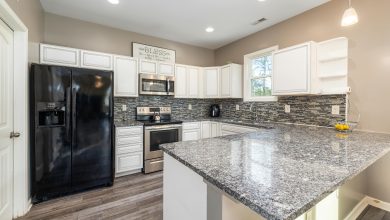
High-Performance Kitchen Layouts: Organizing for Culinary Excellence

In the heart of every home, the kitchen stands as a vibrant hub of creativity and nourishment, where culinary dreams take shape and connections are forged over shared meals. However, the true magic of this essential space is unlocked through a thoughtfully designed layout that caters to both functionality and aesthetic appeal. High-performance kitchen layouts are not merely about maximizing space; they are about orchestrating an environment that inspires confidence and fosters a stress-free culinary experience.
Imagine a kitchen where every tool, ingredient, and appliance is precisely where you need it, allowing for seamless transitions between tasks. This level of organization transforms the act of cooking from a chore into an enjoyable ritual, enabling you to focus on the joy of preparing meals rather than the frustration of a cluttered workspace. By integrating principles of efficiency and ergonomics, high-performance kitchen layouts elevate your cooking experience, ensuring that every meal is a celebration of taste and creativity. Let us embark on a journey to unlock the potential of your culinary space, creating an organized sanctuary that nurtures both your appetite and your spirit.
Expert Guide: High-Performance Kitchen Layouts: Organizing for Culinary Excellence
High-Performance Kitchen Layouts: Organizing for Culinary Excellence
Understanding Kitchen Layouts
Kitchen layouts are crucial in determining how efficiently a space can be used for cooking and food preparation. A well-designed kitchen layout not only maximizes the available space but also enhances the workflow, making cooking a more enjoyable experience. The concept of the kitchen work triangle—which connects the sink, stove, and refrigerator—is foundational in kitchen design. However, modern kitchens often require more nuanced layouts that accommodate multiple cooks, advanced appliances, and varied culinary tasks.
The Importance of Workflow in Kitchen Design
Workflow is a critical factor in designing a high-performance kitchen. The way items are organized and the sequence of tasks can significantly impact cooking efficiency. A well-planned workflow considers the stages of food preparation, cooking, and serving, ensuring that each step is logically connected. By minimizing unnecessary movement and reducing the time spent searching for tools or ingredients, a high-performance kitchen can be achieved. Understanding the various cooking styles and preferences of users will also help in tailoring the layout to meet specific needs.
Essential Kitchen Zones
To optimize workflow, it is vital to establish distinct kitchen zones, each dedicated to specific tasks. Here are the primary zones that should be considered:
- Preparation Zone: This area should be equipped with ample counter space, cutting boards, knives, and mixing tools. Ideally, it should be located near the sink and refrigerator for easy access to ingredients.
- Cooking Zone: The cooking zone should include the stove, oven, and any other cooking appliances. It should be easily accessible from the preparation area and ideally have counter space on either side to facilitate the transfer of food items.
- Cleaning Zone: The cleaning zone revolves around the sink and dishwasher. This area should be designed to allow for easy access to cleaning supplies and should be close to both the cooking and preparation zones.
- Serving Zone: This zone is where food is plated and served. It should be positioned for easy access from the cooking zone and should include serving utensils and dishes.
- Storage Zone: Storage, including pantry space and cabinetry, should be strategically placed to ensure that essential items are within reach of the preparation zone and the cooking zone.
The Work Triangle and Beyond
While the work triangle remains a guiding principle in kitchen design, contemporary kitchens often incorporate additional elements that enhance functionality. For instance, the concept of the work zone has evolved to include multiple cooks, catering to the needs of families or professional chefs. Here are several key considerations:
- Multiple Work Zones: In larger kitchens, consider creating multiple work zones to accommodate more than one chef. Each zone can be designed for specific tasks, such as baking, grilling, or food prep.
- Ergonomics: The layout should consider the height of counters and the placement of appliances. Ensure that the most frequently used items are within easy reach to minimize strain and maximize efficiency.
- Accessibility: Ensure that all zones are easily accessible from one another. This may involve positioning appliances and storage in a way that facilitates smooth transitions between tasks.
Designing for Different Cooking Styles
Understanding the primary cooking styles of the users can significantly influence the kitchen layout. Here are a few common styles and their implications for kitchen design:
- Gourmet Cooking: For serious cooks, a spacious layout with high-end appliances, ample counter space, and specialized zones for food prep, cooking, and cleanup is essential. Consider incorporating a central island for additional workspace and socializing.
- Casual Cooking: For those who cook for enjoyment but not as a profession, a more relaxed layout with easy-to-access storage and a focus on convenience is ideal. Open layouts encourage interaction and can include features like a breakfast bar.
- Baking: Bakers require a dedicated space with plenty of counter area for rolling dough and mixing ingredients. This zone should be equipped with specific tools, such as measuring cups, mixers, and baking sheets, and should ideally be close to the oven.
- Meal Prep: If the focus is on meal prepping, consider a layout that emphasizes efficiency. This might include a large island with storage for containers, easy access to the refrigerator, and an organized pantry for ingredients.
Incorporating Technology in Kitchen Layouts
Advancements in technology have transformed kitchen design, allowing for smarter, more efficient layouts. Here are some ways to incorporate technology into kitchen layouts:
- Smart Appliances: Consider investing in smart ovens, refrigerators, and dishwashers that can be controlled remotely. These appliances can streamline cooking processes and enhance efficiency.
- Integrated Lighting: Good lighting is essential for any kitchen. Incorporate layered lighting—including task, ambient, and accent lighting—to ensure that all areas are well-lit. Smart lighting can also allow for customizable settings based on activities.
- Touchless Faucets: These faucets enhance cleanliness and efficiency, especially in the cleaning zone. They allow for hands-free operation while cooking or cleaning up.
- Built-in Charging Stations: In today’s digital age, having a designated area for charging devices can keep your kitchen organized and connected.
Choosing the Right Materials and Finishes
The materials and finishes used in a kitchen can significantly impact its functionality and aesthetic appeal. Here are key considerations when selecting materials:
- Countertops: Choose durable surfaces that can withstand the rigors of cooking. Materials such as granite, quartz, and stainless steel are popular choices for their durability and ease of maintenance.
- Flooring: Select flooring that is not only visually appealing but also resistant to stains and moisture. Options like tile, vinyl, and sealed hardwood are commonly used in high-performance kitchens.
- Cabinetry: Opt for cabinets that provide ample storage while maintaining easy accessibility. Soft-close hinges and pull-out shelves can enhance usability.
- Backsplashes: A well-chosen backsplash can add a decorative element while being practical for cleaning. Glass, ceramic tile, and stainless steel are popular options.
Maximizing Space in Smaller Kitchens
Not all kitchens have the luxury of space, but with strategic planning, even smaller kitchens can be highly functional. Here are some tips for maximizing space:
- Multi-Functional Furniture: Use furniture that serves multiple purposes, such as an island that doubles as a dining table or storage space.
- Vertical Storage: Take advantage of vertical space by using wall-mounted shelves and cabinets that reach up to the ceiling.
- Pull-Out Features: Incorporate pull-out shelves, lazy Susans, or pull-out pantry systems to make the most out of deep cabinets.
- Open Shelving: Consider open shelving to create an airy feel while also displaying frequently used items for easy access.
Creating a Cohesive Design Aesthetic
A high-performance kitchen should not only be functional but also visually appealing. Here are steps to create a cohesive design aesthetic:
- Color Schemes: Choose a color palette that reflects your style while also promoting a sense of harmony. Neutral colors can create a timeless feel, while bold colors can add personality.
- Consistent Finishes: Ensure that materials and finishes are consistent throughout the kitchen. This includes cabinet hardware, fixtures, and appliances.
- Decorative Elements: Incorporate decorative elements, such as artwork, plants, or stylish storage solutions, to add character without cluttering the space.
- Style Coordination: Coordinate the style of appliances and fixtures with the overall kitchen design—modern, traditional, rustic, or minimalist—to create a unified look.
Conclusion: Elevating Culinary Experiences Through Design
A high-performance kitchen is more than just a functional space; it is a sanctuary for culinary creativity. By understanding the principles of kitchen layout, optimizing workflow, and incorporating modern technology and materials, you can design a kitchen that not only meets but exceeds your culinary needs. Whether you are a passionate home cook or a professional chef, a well-thought-out kitchen layout can enhance your cooking experience, making it more enjoyable, efficient, and aesthetically pleasing.
Expert Resources by Category
⭐ Organization & Practical Living — Your fundamental guide to high-end functional efficiency.
🏠 Home Organization — Bespoke systematic plans for every room in your estate.
✨ Decluttering Tips — Expert strategies for achieving a pristine, minimalist mindset.
🧼 Cleaning Routines — Sustainable checklists for a consistently sparkling home.
📦 Storage Solutions — Smart vertical storage and professional container systems.
🗺️ Room By Room Guides — Detailed tutorials for deep styling and organizing.
💡 Daily Life Hacks — Intelligent adjustments to save time and boost energy.
⏳ Time Management Basics — Methods to prioritize, block time, and maximize productivity.
✅ Checklists And Planners — Printable executive tools for seamless home maintenance.
Conclusion
In conclusion, high-performance kitchen layouts are essential for achieving culinary excellence, as they facilitate efficiency, creativity, and functionality. By carefully considering the arrangement of workspaces, appliances, and storage, chefs can create an environment that not only enhances productivity but also inspires innovation. The principles of the kitchen work triangle, zoning, and ergonomic design play crucial roles in optimizing workflows and minimizing unnecessary movements, allowing culinary professionals to focus on their craft.
Furthermore, integrating modern technology and sustainable practices into kitchen layouts can elevate the overall culinary experience while promoting environmental responsibility. Investing in smart appliances, energy-efficient solutions, and versatile storage options can contribute to a kitchen that adapts to evolving culinary trends and demands. As the culinary landscape continues to evolve, so too must our approach to kitchen design, ensuring that it meets the needs of both chefs and patrons alike.
Ultimately, a well-organized kitchen layout is not just about aesthetics; it is a strategic investment in the success of culinary ventures. By prioritizing thoughtful design and organization, culinary professionals can unlock their full potential, creating dishes that delight and inspire. Embracing these principles will lead to a kitchen that not only supports daily operations but also fosters a culture of excellence and innovation in the culinary arts.
Frequently Asked Questions
What is a high-performance kitchen layout?
A high-performance kitchen layout is designed to enhance efficiency, workflow, and ergonomics in culinary tasks, ensuring that all necessary tools and ingredients are easily accessible.
Why is kitchen layout important for cooking?
The layout of a kitchen directly affects how quickly and effectively meals can be prepared. A well-organized space minimizes movement and maximizes productivity.
What are the key elements of an efficient kitchen layout?
Key elements include the work triangle concept, proper zoning for different tasks, adequate storage solutions, and easy access to frequently used items.
What is the work triangle in kitchen design?
The work triangle refers to the optimal distance between the stove, sink, and refrigerator, facilitating smooth movement and reducing unnecessary steps during meal preparation.
How can I optimize storage in a high-performance kitchen?
Utilize vertical space with shelves, install pull-out drawers for pots and pans, and incorporate cabinets that maximize corner space to enhance overall storage efficiency.
What zoning strategies should I consider for my kitchen?
Consider creating distinct zones for cooking, prep, cleaning, and storage. This organization allows for a more streamlined workflow and reduces clutter.
How can lighting affect kitchen performance?
Proper lighting enhances visibility for cooking tasks, creates a welcoming atmosphere, and can even influence mood, making it an essential aspect of kitchen design.
What materials are best for a high-performance kitchen?
Durable, easy-to-clean materials like stainless steel, quartz, and ceramic are ideal as they withstand heavy use and maintain a professional appearance.
How important is ventilation in a high-performance kitchen?
Good ventilation is crucial for removing smoke, odors, and excess heat, creating a comfortable cooking environment and improving air quality.
What appliances should I prioritize in a high-performance kitchen?
Focus on high-quality appliances that suit your cooking style, such as a powerful range, reliable refrigerator, and efficient dishwasher, to enhance overall performance.
Can I achieve a high-performance kitchen on a budget?
Yes, prioritize essential features and consider DIY solutions for organization and layout improvements to maximize performance without overspending.
What role does ergonomics play in kitchen design?
Ergonomics ensures that kitchen elements are positioned at comfortable heights and distances, reducing strain during cooking and making tasks more enjoyable.
How can I incorporate technology into my kitchen layout?
Integrate smart appliances, automated lighting, and touchless faucets to enhance convenience and efficiency while cooking and cleaning.
What should I consider when designing an outdoor kitchen?
Consider factors like weather resistance, proximity to the main kitchen, and the inclusion of essential appliances and amenities for a seamless outdoor cooking experience.
How can I ensure my kitchen layout accommodates future needs?
Design with flexibility in mind by choosing modular furniture and adaptable storage solutions that can evolve with your cooking habits and family size.