The Art of Intentional Living: Decluttering for Mental Clarity

In our fast-paced world, the chaos of modern life can quickly seep into our homes, leaving us feeling overwhelmed and disoriented. The Art of Intentional Living invites you to reclaim your space and, in turn, your mental clarity. By embracing the principles of decluttering, we can cultivate an environment that not only reflects our true selves but also fosters a sense of peace and purpose.
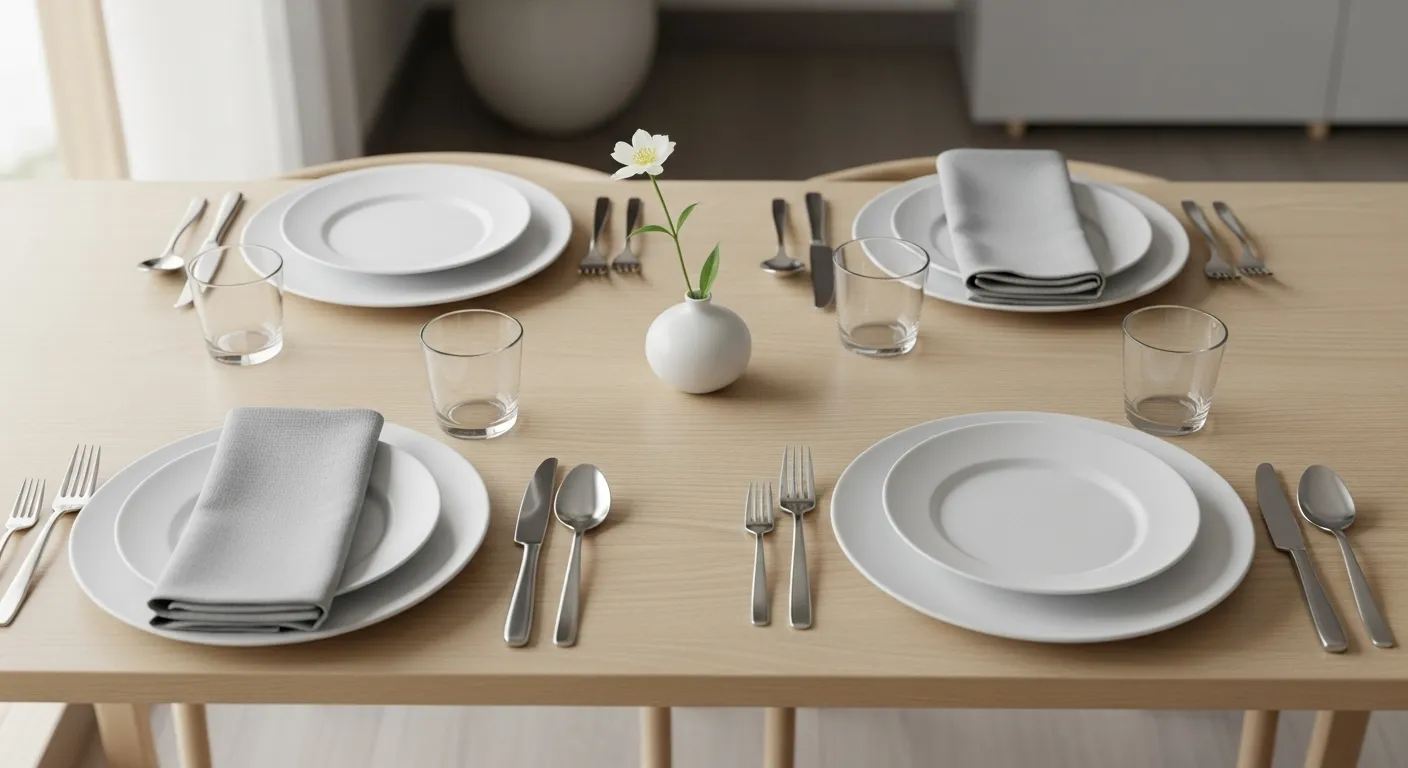
Imagine walking into a room that breathes tranquility, where every item has its place and every surface invites calm. This is not merely an aesthetic choice; it is a conscious decision to prioritize clarity over clutter. As we disentangle ourselves from the physical manifestations of stress, we create room for mindfulness, creativity, and genuine connection with ourselves and others.
Join us on a journey of intentional living, where decluttering becomes a transformative practice, allowing us to shed the weight of unnecessary possessions and embrace a lifestyle that nurtures our mental well-being. Together, we will explore the profound impact of a serene space on our thoughts, emotions, and overall quality of life.
Expert Guide: The Art of Intentional Living: Decluttering for Mental Clarity
The Art of Intentional Living: Decluttering for Mental Clarity
Understanding Intentional Living
Intentional living is a philosophy that encourages individuals to make conscious choices about how they spend their time, energy, and resources. It involves a deep understanding of one’s values, priorities, and goals, allowing individuals to create a life that aligns with their true selves. This approach requires a commitment to self-awareness and mindfulness, enabling individuals to focus on what truly matters to them.
At its core, intentional living is about being deliberate with every aspect of life, from relationships to career choices, and even the physical spaces we inhabit. A key component of this journey is decluttering, which serves as a powerful tool for gaining mental clarity and enhancing overall well-being.
The Psychological Benefits of Decluttering
Decluttering is not just about physical space; it’s also about mental space. The act of removing unnecessary items from our lives can lead to various psychological benefits:
- Reduced Stress: Clutter can be overwhelming, creating a chaotic environment that contributes to anxiety. By decluttering, individuals can experience a sense of relief and calm.
- Improved Focus: A cluttered environment can distract from tasks and goals. A clean, organized space allows for better concentration and productivity.
- Enhanced Decision-Making: A clear space leads to a clear mind. With fewer distractions, individuals can make more thoughtful and intentional decisions.
- Increased Creativity: A decluttered environment can foster creativity by providing mental space for new ideas and inspiration.
Identifying Your Values and Priorities
Before embarking on a decluttering journey, it’s essential to identify your values and priorities. This step ensures that your decisions align with what matters most to you. Consider the following questions:
- What are the top three values that guide your life?
- What activities or experiences bring you the most joy?
- Which relationships are most important to you?
- How do you envision your ideal living space?
Taking the time to reflect on these questions will provide clarity, making it easier to determine what items in your life contribute to your happiness and which do not.
Creating a Decluttering Plan
A successful decluttering process requires a well-thought-out plan. Here’s how to create one:
- Set Clear Goals: Define what you want to achieve with decluttering. This could be a specific area of your home, like a closet or office, or a broader goal of living with fewer possessions.
- Establish a Timeline: Allocate time for decluttering sessions. This could be daily, weekly, or even monthly, depending on your schedule and the amount of clutter you have.
- Determine Your Criteria: Decide on the criteria for keeping or letting go of items. Common criteria include utility, sentimental value, and frequency of use.
- Gather Supplies: Prepare boxes, bags, or bins for sorting items. Label them as “Keep,” “Donate,” “Sell,” and “Trash.”
- Start Small: Begin with one area at a time to avoid feeling overwhelmed. Small wins will motivate you to continue.
Techniques for Effective Decluttering
Once you have a plan, it’s time to dive into decluttering. Here are some effective techniques:
- The Marie Kondo Method: This method involves holding each item and asking if it sparks joy. If it doesn’t, it’s time to let it go.
- The Four-Box Method: Label four boxes as “Keep,” “Donate,” “Sell,” and “Trash.” Sort items into these boxes to streamline the decluttering process.
- The 30-Day Rule: If you haven’t used an item in the past 30 days, consider whether you really need it. This rule helps in making quick decisions about items.
- One In, One Out: For every new item you bring into your home, commit to removing one item. This practice helps maintain a clutter-free environment.
Decluttering Different Areas of Your Life
Decluttering can extend beyond physical possessions. Here are some key areas to consider:
Physical Space
Your home should be a sanctuary. Focus on decluttering spaces such as:
- Living Room: Remove items that don’t serve a purpose or bring joy.
- Kitchen: Declutter appliances and utensils that you rarely use.
- Bedroom: Keep only items that contribute to a restful environment.
- Office: Sort through paperwork and digital files to eliminate unnecessary clutter.
Digital Space
In our digital age, our online lives can become just as cluttered as physical spaces. Consider these tips:
- Unsubscribe from newsletters and emails that no longer interest you.
- Organize your digital files into folders and delete duplicate or irrelevant documents.
- Limit social media accounts to those that add value to your life.
Emotional Clutter
Emotional clutter can weigh you down just as much as physical clutter. To address this:
- Practice mindfulness and meditation to clear your mind.
- Engage in journaling to process your thoughts and feelings.
- Let go of toxic relationships that drain your energy.
Maintaining a Clutter-Free Lifestyle
Decluttering is not a one-time event; it’s an ongoing process. Here are strategies to maintain a clutter-free lifestyle:
- Regular Check-Ins: Schedule regular decluttering sessions to evaluate your possessions and let go of items that no longer serve you.
- Adopt Minimalism: Embrace a minimalist mindset by prioritizing experiences over possessions.
- Practice Gratitude: Cultivating gratitude can help you appreciate what you have and reduce the desire for unnecessary items.
- Be Mindful of Purchases: Before making a purchase, ask yourself if it aligns with your values and if you truly need it.
The Connection Between Decluttering and Mental Clarity
Decluttering is a transformative process that directly impacts mental clarity. When we remove physical and emotional clutter, we create space for new ideas, creativity, and focus. Here’s how decluttering enhances mental clarity:
- Increased Focus: A clutter-free environment allows for better concentration on tasks and decision-making.
- Enhanced Creativity: With fewer distractions, the mind can explore new ideas and solutions freely.
- Improved Mood: A clean space can lead to a positive mindset, reducing feelings of anxiety and overwhelm.
- Greater Productivity: A clear environment leads to improved efficiency, allowing you to accomplish tasks more quickly.
Final Thoughts on Intentional Living and Decluttering
Embracing the art of intentional living through decluttering is a journey toward mental clarity and fulfillment. It requires self-reflection, commitment, and a willingness to let go of what no longer serves you. As you embark on this path, remember that intentional living is about making choices that align with your values and desires. By cultivating a clutter-free environment, you create space for personal growth, creativity, and deeper connections with yourself and others.
Start small, be patient with yourself, and celebrate your progress along the way. With each item you let go of, you are one step closer to a life filled with purpose and clarity.
Expert Resources by Category
⭐ Organization & Practical Living — Your fundamental guide to high-end functional efficiency.
🏠 Home Organization — Bespoke systematic plans for every room in your estate.
✨ Decluttering Tips — Expert strategies for achieving a pristine, minimalist mindset.
🧼 Cleaning Routines — Sustainable checklists for a consistently sparkling home.
📦 Storage Solutions — Smart vertical storage and professional container systems.
🗺️ Room By Room Guides — Detailed tutorials for deep styling and organizing.
💡 Daily Life Hacks — Intelligent adjustments to save time and boost energy.
⏳ Time Management Basics — Methods to prioritize, block time, and maximize productivity.
✅ Checklists And Planners — Printable executive tools for seamless home maintenance.
Conclusion
In a world that often feels chaotic and overwhelming, embracing the principles of intentional living and decluttering can lead to profound mental clarity and emotional well-being. By consciously choosing what to keep in our physical and mental spaces, we create an environment that reflects our true values and aspirations. The journey of decluttering is not just about removing physical items; it is a transformative process that encourages us to evaluate our thoughts, habits, and relationships.
As we let go of the unnecessary, we make room for what truly matters, allowing our lives to align with our intentions. This practice fosters mindfulness, helping us to become more present and engaged in our daily experiences. The benefits extend beyond our immediate surroundings, as a clearer mind enhances our ability to make decisions, nurture relationships, and pursue our passions.
Ultimately, the art of intentional living is about cultivating a space—both internal and external—that nurtures our well-being and supports our personal growth. By committing to a lifestyle of decluttering and intentionality, we empower ourselves to live authentically and joyfully. As we continue on this path, let us remember that the journey is ongoing, and each step we take towards simplification brings us closer to a life filled with purpose and clarity. Embrace the art of intentional living, and watch as your mental landscape transforms into a sanctuary of peace and inspiration.
Frequently Asked Questions
What is intentional living?
Intentional living is a lifestyle choice that focuses on making conscious decisions that align with your values, goals, and priorities. It involves being mindful of how you spend your time, energy, and resources to create a fulfilling life.
How does decluttering contribute to mental clarity?
Decluttering helps remove physical distractions, creating a more organized environment that can enhance focus and productivity. A tidy space can lead to a clearer mind, reducing stress and anxiety associated with clutter.
What are the first steps to start decluttering?
Begin by assessing your space and identifying areas that feel overwhelming. Set specific goals for decluttering, such as tackling one room at a time, and gather supplies like boxes or bags for sorting items into keep, donate, and discard categories.
How can I maintain a decluttered space?
To maintain a decluttered space, establish daily habits such as putting items back in their designated places, practicing the one-in-one-out rule, and regularly reassessing your belongings to ensure they still serve a purpose in your life.
What psychological benefits come from decluttering?
Decluttering can lead to improved focus, reduced stress, and a greater sense of control over your environment. It can also boost your mood and increase feelings of accomplishment as you create a more harmonious living space.
Can decluttering improve my productivity?
Yes, decluttering can significantly enhance productivity by minimizing distractions and creating a more organized workspace. A clear environment allows for better concentration and efficiency in completing tasks.
How do I decide what to keep and what to let go?
Evaluate each item based on its usefulness, emotional value, and whether it aligns with your current lifestyle. Ask yourself if you have used the item in the past year and if it contributes positively to your life.
Is it necessary to declutter every area of my home?
While it is not mandatory to declutter every area, focusing on spaces that cause you the most stress or distraction can yield significant benefits. Prioritize areas that impact your daily life the most.
How can I involve my family in the decluttering process?
Involve your family by discussing the benefits of decluttering together and setting shared goals. Make the process fun by turning it into a challenge or game, and encourage everyone to contribute their thoughts on what to keep or discard.
What if I feel overwhelmed by the decluttering process?
If you feel overwhelmed, break the process into smaller, manageable tasks. Set a timer for short intervals, take breaks, and celebrate small victories to maintain motivation and reduce anxiety.
Are there specific methods for decluttering?
Yes, popular methods include the Marie Kondo method, which focuses on keeping only items that spark joy, and the Four-Box Method, which involves categorizing items into keep, donate, sell, and trash boxes.
How often should I declutter my space?
It is beneficial to declutter regularly, such as seasonally or biannually. Establishing a routine can help keep your space organized and prevent clutter from building up over time.
Can decluttering help with decision fatigue?
Yes, decluttering can alleviate decision fatigue by reducing the number of choices you face daily. A simplified environment allows for clearer thinking and easier decision-making in other areas of your life.
What role does mindfulness play in intentional living?
Mindfulness is crucial in intentional living as it encourages awareness of your thoughts, feelings, and actions. Practicing mindfulness can help you make more thoughtful choices that align with your values and goals.
How can I integrate intentional living into my daily routine?
To integrate intentional living, start by setting clear intentions for your day, prioritizing tasks that align with your goals, and regularly reflecting on your choices to ensure they support your desired lifestyle.