Are minimalists actually happier?

Are minimalists actually happier?
Research indicates that minimalists often experience higher levels of happiness due to reduced stress and increased focus on meaningful experiences. By prioritizing quality over quantity, minimalists foster a deeper appreciation for their possessions and relationships, thereby enhancing overall well-being. They are less burdened by material distractions and are more likely to engage in activities that promote personal growth and fulfillment. Consequently, minimalism can lead to improved mental clarity and greater life satisfaction.
Are Minimalists Actually Happier?
Understanding Minimalism and Happiness
In an age dominated by consumerism, the concept of minimalism has gained significant traction as a lifestyle promoting simplicity and intentionality. But one of the most pressing questions often arises: **Are minimalists actually happier?** To understand the nuances, we need to explore what minimalism truly means and how it aligns with happiness in our daily lives.
The Connection Between Clutter and Stress
Clutter in our homes and lives can often lead to increased stress and anxiety. Studies have shown that a chaotic environment can affect our mental well-being. Here are some important points to consider:
- Visual Overload: Clutter affects our ability to focus. When surrounded by disorganization, our brains may struggle to filter irrelevant stimuli.
- Emotional Clutter: The items we keep can hold emotional baggage. Letting go of possessions can lead to emotional relief.
- Decision Fatigue: Excess items require more decisions on what to keep, where to store them, and how to maintain order, adding unnecessary mental strain.
How Minimalism Promotes Emotional Well-being
Minimalism encourages not just a decluttering process but a more intentional approach to life. Here’s how adopting minimalist principles can enhance emotional well-being:
- Less is More: Fewer possessions can lead to a greater appreciation for what we have. This mindset fosters joy rather than longing for more.
- Time Freedom: With fewer items to care for, there’s more time for activities we truly love, leading to increased happiness.
- Mindfulness: Minimalism promotes mindfulness, encouraging us to be present and appreciate the simple pleasures of life.
Practical Steps to Embrace Minimalism
Transitioning to a minimalist lifestyle doesn’t have to feel daunting. Here are practical steps you can take to start simplifying your life:
1. Start Small with Decluttering
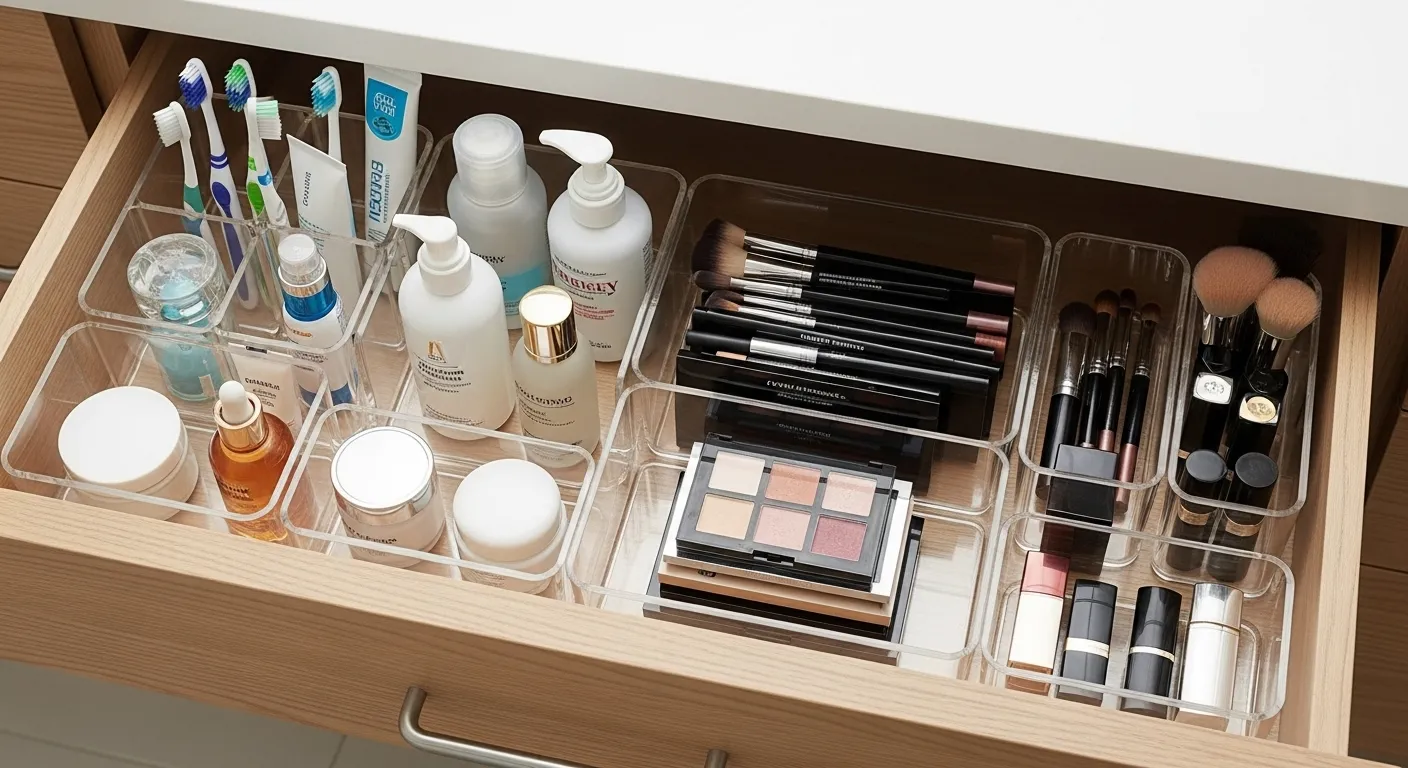
Begin with one space in your home. This could be your kitchen counter, a closet, or even a single drawer. Follow these steps:
- **Remove everything** from the space.
- **Sort items** into three categories: Keep, Donate, and Discard.
- **Organize** the kept items in a way that promotes efficiency and accessibility.
2. Establish Intentional Routines
Creating a simplified daily routine can drastically decrease stress levels. Incorporate time blocking techniques to manage your day better. For example:
- 1-hour blocks for focused work
- 30-minute breaks to re-energize
- Time slots for household chores to maintain a tidy space
3. Set Boundaries on New Purchases
Establish a system of **one-in-one-out** for new items. Each time you acquire something new, let go of something old. This keeps clutter at bay and encourages mindful consumption.
4. Curate Your Space Thoughtfully
Choose items that truly bring joy or serve a functional purpose. Consider the following:
- Decor that inspires you
- Furniture that is multi-functional
- Minimal decor that provides a calm aesthetic
The Impact of Decluttering on Time Management
Adopting a minimalist lifestyle can improve time management as well. Here’s how:
- Faster Cleaning Routines: A decluttered space can be cleaned in less time, freeing up hours for relaxation or hobbies.
- Organized Systems: Incorporating storage solutions, such as labeled containers, can streamline your organization, making it easy to find what you need and reducing stress.
- More Leisure Time: With fewer responsibilities tied to maintaining clutter, you’ll find you have more leisure time to enjoy activities that bring joy.
Minimalism and Relationships
Minimalism isn’t just about physical possessions; it can extend to how we manage our relationships and commitments. Here are ways minimalist practices can enhance relationships:
- Focus on Quality: Investing time in fewer but more meaningful relationships can lead to deeper bonds and greater satisfaction.
- Reduce Commitments: Saying no to unnecessary obligations allows you to dedicate more quality time to loved ones.
- Shared Values: Surrounding yourself with like-minded individuals can inspire and motivate you in your minimalist journey.
Overcoming Challenges in Minimalism
It’s important to acknowledge that transitioning to a minimalist lifestyle has challenges. Here are common hurdles and simple solutions:
1. Sentimental Attachments
Letting go of items that hold emotional value can be difficult. Tackle this by:
- **Taking photos** of sentimental items before letting them go.
- **Creating a memory box** for a select few cherished items.
2. Fear of Missing Out (FOMO)
FOMO can lead to keeping unnecessary items out of worry. Combat this by focusing on what truly adds value to your life.
3. Social Pressures
External influences like friends or family may not understand your lifestyle changes. Communicate your goals and seek supportive environments that align with your values.
Finding Joy in Minimalism
As you begin embracing minimalism, seek moments of joy in the process. Reflect on small achievements, whether it’s a clean countertop or finding more time to enjoy a hobby. Here are ways to find joy:
- Celebrate Small Wins: Acknowledge even the smallest steps toward decluttering or organizing.
- Meditate or Journal: Take time to reflect on your feelings about minimalism, documenting the positive changes you’re experiencing.
- Engage with the Community: Join groups or forums where you can share your journey and see how others are thriving in their minimalist lives.
The Long-term Benefits of Minimalism
While the immediate changes might be exciting, the long-term benefits of adopting minimalism can be profound:
- Increased Financial Freedom: Spending less on unnecessary items means more room in your budget for experiences and savings.
- Simplified Decision-Making: With fewer possessions to manage, you’ll find that everyday decisions become simpler and less stressful.
- Enhanced Focus and Productivity: A decluttered environment promotes mental clarity, enhancing your productivity in both personal and professional areas.
While personal journeys with minimalism vary, many find that it leads to greater happiness by promoting a lifestyle aligned with personal values, emotional well-being, and a greater sense of peace in their spaces. As you explore the principles of minimalism, remember that it’s about progress, not perfection. Embrace the journey toward a simpler, more meaningful life!

Related Articles
Our Categories:
-
⭐ Organization & Practical Living: Seu guia fundamental para criar um lar funcional, implementar sistemas de eficiência e construir uma vida cotidiana mais organizada e livre de estresse.
-
🏠 Home Organization: Guias fundamentais e planos sistemáticos para organizar cada cômodo, garantindo um layout de casa eficiente e livre de desordem.
-
✨ Decluttering Tips: Estratégias acionáveis, conselhos de especialistas e métodos passo a passo para simplificar seu espaço, reduzir pertences e manter uma mentalidade minimalista.
-
🧼 Cleaning Routines: Checklists eficientes, truques de limpeza rápida e recomendações de produtos sustentáveis para manter uma casa limpa e brilhante sem estresse.
-
📦 Storage Solutions: Ideias criativas e práticas para maximizar cada centímetro de espaço, utilizando armazenamento vertical e investindo em recipientes inteligentes e funcionais.
-
🗺️ Room By Room Guides: Tutoriais detalhados e específicos, e checklists para organização profunda e estilo de áreas individuais como cozinha, quarto e hall de entrada.
-
💡 Daily Life Hacks: Dicas rápidas e inteligentes, e ajustes simples na rotina diária que economizam tempo, aumentam a energia e tornam a vida cotidiana mais fácil de gerenciar.
-
⏳ Time Management Basics: Métodos simples e técnicas fundamentais para planejar, priorizar tarefas, definir metas e implementar o time-blocking para maximizar a produtividade.
-
✅ Checklists And Planners: Modelos para impressão, ferramentas e sistemas para planejar refeições, manutenção doméstica, mudança e rastreamento de tarefas para manter a vida funcionando perfeitamente.

Are Minimalists Actually Happier?
In today’s fast-paced and consumer-driven world, many individuals are beginning to embrace a minimalist lifestyle. The notion that less is more has gained traction, particularly as people seek happiness through financial stability and mental peace. Minimalism encourages downsizing possessions and focusing on experiences rather than material goods, suggesting that fewer distractions can lead to greater happiness. But are minimalists genuinely happier? Let’s explore this question and its relevance to your financial well-being.
Conclusion
Ultimately, the relationship between minimalism and happiness is subjective and varies by individual. However, many minimalists report feeling more content as they lessen financial burdens and appreciate what truly matters. By prioritizing experiences over possessions, minimalists often enjoy a less cluttered lifestyle that can lead to improved mental well-being. If you’re seeking a way to manage your finances while enhancing your happiness, consider adopting minimalist principles. This shift not only simplifies life but can also lead to long-term financial freedom. Embrace minimalism for a clearer mind and a more purposeful existence—your financial future will thank you.
Frequently Asked Questions
1. What is minimalism?
Minimalism is a lifestyle choice that focuses on reducing material possessions and prioritizing experiences. It encourages individuals to live with less to achieve greater happiness and clarity.
2. Do minimalists spend less money?
Yes, minimalists typically spend less money because they prioritize meaningful purchases and reduce impulsive buying habits, leading to increased savings.
3. Can minimalism reduce stress?
Many minimalists report lower stress levels due to less clutter, fewer decisions to make, and a clearer focus on what truly matters in their lives.
4. What are the benefits of minimalism?
- Less financial stress
- Increased savings
- Improved mental clarity
- Greater appreciation for experiences
5. How can minimalism improve financial health?
By adopting minimalism, individuals can cut unnecessary expenses, focus on long-term financial goals, and make more conscious purchasing decisions.
6. Is minimalism suitable for everyone?
While minimalism offers many benefits, it may not be suitable for everyone. Individual preferences and circumstances play a crucial role in determining the viability of this lifestyle.
7. How do I start living a minimalist lifestyle?
Begin by decluttering your space, evaluating purchases based on necessity, and focusing on experiences rather than things.
8. Can minimalism lead to financial freedom?
Yes, by spending less and saving more, minimalists can work towards financial freedom, reducing debt and achieving long-term financial goals.
9. What does a minimalist budget look like?
A minimalist budget prioritizes essential expenses, invests in experiences, and emphasizes savings over luxury splurges, helping to achieve financial goals.
10. Can minimalists still enjoy material possessions?
Yes, minimalists can enjoy material possessions, but they focus on quality over quantity, choosing items that add value to their lives.
11. How can minimalism enhance well-being?
By reducing distractions and focusing on what matters, individuals can experience heightened satisfaction and fulfillment, improving overall well-being.
12. Are minimalists more likely to have savings?
Many minimalists are more likely to have savings due to their intentional spending habits and focus on financial stability over material accumulation.
13. What are common misconceptions about minimalism?
Common misconceptions include the belief that minimalism means living with nothing or that it’s only for a select few, whereas it can be adapted to suit anyone’s lifestyle.
14. How does minimalism affect relationships?
Minimalism can positively affect relationships by encouraging shared experiences and reducing conflict over material possessions, fostering deeper connections.
15. Can I pursue minimalism gradually?
Absolutely! Transitioning to a minimalist lifestyle can be done at your own pace, allowing gradual adjustments that suit your comfort level.