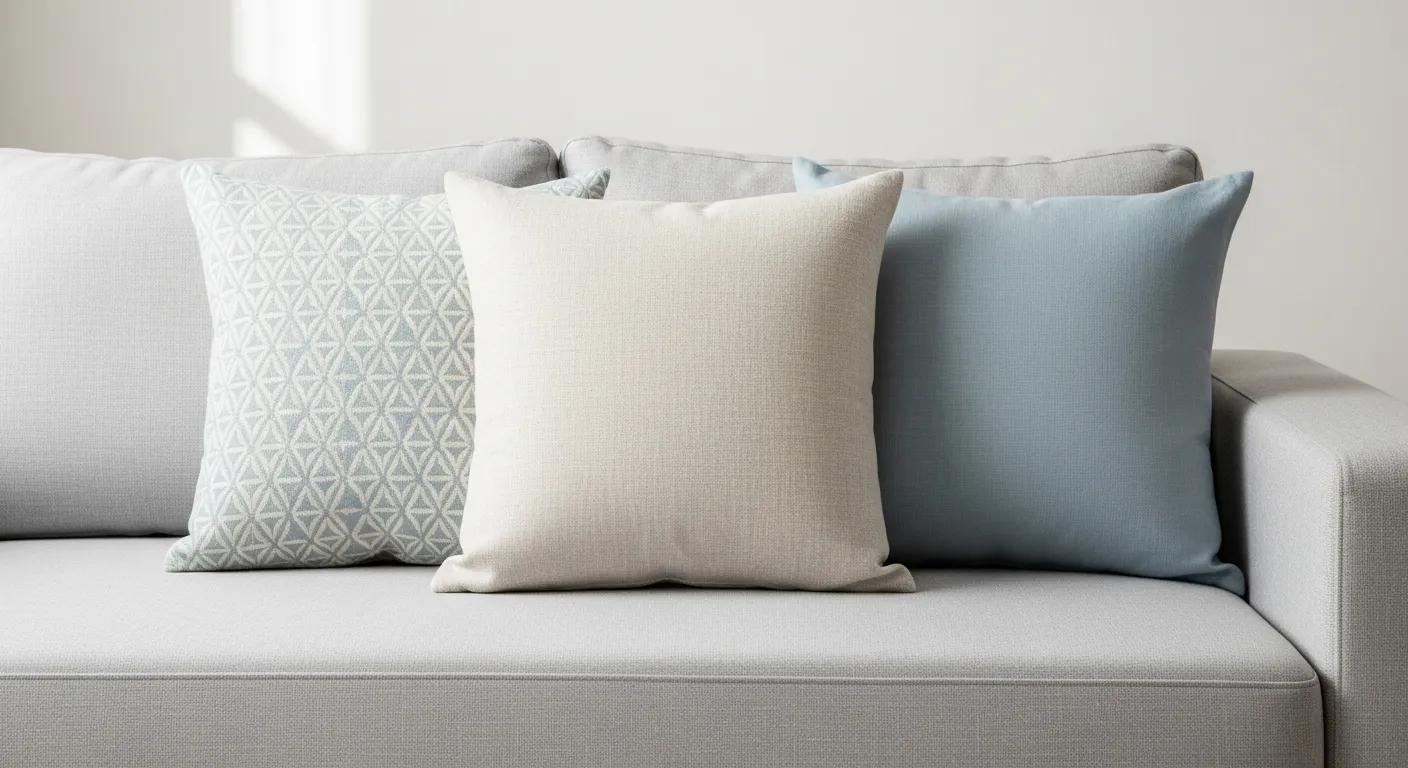
What is the 60/30/20 rule in decorating?
What is the 60/30/20 rule in decorating?
The 60/30/20 rule in decorating is a guideline for achieving a balanced and harmonious design. It suggests using 60% of a dominant color for the walls or large furniture, 30% for a secondary color in upholstery or drapery, and 20% for accent colors in accessories or artwork. This formula helps to create visual interest and a cohesive look, ensuring that no single element overwhelms the space while allowing for personal expression through color.
What is the 60/30/20 Rule in Decorating?
Understanding the 60/30/20 Rule: A Balanced Approach to Decorating
The 60/30/20 rule in decorating is a popular guideline to create visually appealing and harmonious interiors. It breaks down the color palette in terms of proportions for a cohesive look, addressing common challenges such as clutter and overwhelming choices in home decoration. By understanding and applying this rule, you can simplify your decorating process, making it less daunting and more enjoyable.
The Breakdown of the 60/30/20 Rule
At its core, the 60/30/20 rule divides the room’s color scheme into three sections:
- 60% Dominant Color: This is the main color in the room, often seen on walls, large furniture, or major decor items. The idea is to create a calming backdrop that sets the tone.
- 30% Secondary Color: This color complements the dominant shade and is used for upholstery, curtains, or accent chairs. It’s essential for adding depth and interest.
- 20% Accent Color: The smallest portion is for bold accents like pillows, artwork, or decorative accessories. These colors provide character and can easily be changed out, allowing for versatile decor.
Why the 60/30/20 Rule Works
The beauty of the 60/30/20 rule lies in its simplicity and effectiveness. Here are some reasons why it resonates with busy individuals seeking a stress-free home:
- Reduces Decision Fatigue: By following this guideline, you limit your choices, making it easier to select colors and pieces without feeling overwhelmed.
- Enhances Cohesion: A balanced color palette creates visual harmony, enhancing the overall aesthetic appeal of your space.
- Facilitates a Clutter-Free Look: The structured approach helps maintain a clean and organized appearance, minimizing the risk of over-decorating.
Practical Steps to Implement the 60/30/20 Rule
Here’s how you can apply this rule in your home:
- Choose Your Dominant Color: Start with a neutral or muted color for walls or larger furniture pieces. Colors like beige, gray, or soft pastels are great options that create a serene foundation.
- Select a Secondary Color: Look for a complementary color to the dominant shade. This can be a bolder hue or a slightly different tone that adds depth without clashing.
- Identify Your Accent Color: Pick one or two accent colors that excite you. These should be vibrant shades that will pop and can be easily changed as your tastes evolve.
Choosing Colors that Work Together
Selecting the right colors is crucial in applying the 60/30/20 rule. Here are some tips:
- Use Color Wheels: Familiarize yourself with the color wheel to understand complementary, analogous, and triadic colors.
- Try Samples: Before committing, get paint samples or fabric swatches to see how they work in your space under different lighting conditions.
- Incorporate Nature: Nature-based palettes usually work well; consider greens, browns, and blues inspired by the outdoors.
Room-Specific Examples of the 60/30/20 Rule
Applying the 60/30/20 rule varies from room to room. Here are examples for different spaces:
Living Room
In a living room, the dominant color could be a soft gray (60%), paired with deep navy blue furniture (30%), and vibrant yellow throw pillows (20%). This combination creates a cozy yet modern space.
Bedroom
For a bedroom, consider a calming white for the walls (60%), muted teal for bedding (30%), and a few bright coral accessories (20%). This palette fosters relaxation, making it an ideal retreat.
Office
In a home office, a light beige can serve as the dominant color (60%), with a charcoal desk (30%), and bright red stationery or artwork (20%) to energize your workspace.
How to Avoid Common Pitfalls
While the 60/30/20 rule provides structure, here are some common pitfalls to avoid:
- Overloading on Accent Colors: Stick to one or two accents to prevent visual chaos.
- Forgetting Texture: Different textures can enhance the look and feel of your color scheme. Incorporate soft fabrics, metals, or wood finishes to bring layers to your design.
- Ignoring Personal Style: Make sure the colors you choose reflect your personality, creating a space that feels authentically ‘you’.
Using the 60/30/20 Rule for Decluttering
In the pursuit of a stress-free home, decluttering is just as important as choosing colors. Here’s how the 60/30/20 rule applies to decluttering:
- 60% Essential Items: Keep only the items you use frequently and that serve a purpose in your daily life.
- 30% Decorative Items: Limit decorative pieces to those you truly love or those that bring joy. Remember, less is often more.
- 20% Items for Rotation: Set aside seasonal items or things you use occasionally, ideally kept in organized storage to reduce clutter.
Maximizing Time Management with the 60/30/20 Rule
The 60/30/20 rule can also help streamline your decorating process and time management. Here’s how:
- Plan Your Color Scheme in Advance: Dedicate a specific time each month to decide if you want to repaint or refresh your accent colors.
- Use Timers: Give yourself a set time to choose paint samples or decor—30 minutes can keep you disciplined.
- Break Tasks into Chunks: Use the rule to divide larger tasks (like redecorating a room) into more manageable 60/30/20 pieces, assessing progress as you go.
Creating Checklists to Facilitate the Process
To keep track of your decorating or decluttering projects, consider using checklists. A sample checklist might look like this:
- Decide on the 60% Color: Chosen color? Mark it off.
- Select 30% Color Options: Got swatches? Check!
- Pick Accent Color(s): Decide and list them!
- Assess Furniture and Decor: Are they in line with your colors? Review.
- Declutter Existing Items: Remove items that no longer fit your new color scheme or style.
Final Thoughts on the 60/30/20 Rule
By embracing the 60/30/20 rule in your decorating endeavors, you not only create a balanced home that reflects your personal style, but you also foster a more manageable and organized living environment. Let this rule guide you in simplifying and beautifying your space, alleviating stress, and ultimately leading to a more enjoyable home experience.

Related Articles
Our Categories:
-
⭐ Organization & Practical Living: Seu guia fundamental para criar um lar funcional, implementar sistemas de eficiência e construir uma vida cotidiana mais organizada e livre de estresse.
-
🏠 Home Organization: Guias fundamentais e planos sistemáticos para organizar cada cômodo, garantindo um layout de casa eficiente e livre de desordem.
-
✨ Decluttering Tips: Estratégias acionáveis, conselhos de especialistas e métodos passo a passo para simplificar seu espaço, reduzir pertences e manter uma mentalidade minimalista.
-
🧼 Cleaning Routines: Checklists eficientes, truques de limpeza rápida e recomendações de produtos sustentáveis para manter uma casa limpa e brilhante sem estresse.
-
📦 Storage Solutions: Ideias criativas e práticas para maximizar cada centímetro de espaço, utilizando armazenamento vertical e investindo em recipientes inteligentes e funcionais.
-
🗺️ Room By Room Guides: Tutoriais detalhados e específicos, e checklists para organização profunda e estilo de áreas individuais como cozinha, quarto e hall de entrada.
-
💡 Daily Life Hacks: Dicas rápidas e inteligentes, e ajustes simples na rotina diária que economizam tempo, aumentam a energia e tornam a vida cotidiana mais fácil de gerenciar.
-
⏳ Time Management Basics: Métodos simples e técnicas fundamentais para planejar, priorizar tarefas, definir metas e implementar o time-blocking para maximizar a produtividade.
-
✅ Checklists And Planners: Modelos para impressão, ferramentas e sistemas para planejar refeições, manutenção doméstica, mudança e rastreamento de tarefas para manter a vida funcionando perfeitamente.

The 60/30/20 rule in decorating is a simple yet effective guideline that can help you create a balanced and aesthetically pleasing space without breaking the bank. Whether you’re furnishing your first home or redesigning your living space, understanding how to allocate your budget can significantly enhance your environment. This rule helps you prioritize your spending in three distinct categories: 60% on the main elements, 30% on secondary pieces, and 20% on accents. This structure allows for a harmonious blend of comfort, style, and functionality while being finance-savvy.
Understanding the 60/30/20 Rule
This rule breaks down your decorating budget as follows:
- 60%: Invest in large, foundational pieces like sofas, beds, and dining tables.
- 30%: Spend on secondary elements, such as chairs, rugs, and other functional furniture.
- 20%: Use this for decorative accents like artwork, cushions, and lamps.
By following this percentage guideline, you ensure your space is not only beautifully designed but financially manageable. This method also encourages thoughtful purchases, helping you avoid impulse buys that can lead to budget blowouts.
FAQ
What is the 60/30/20 rule in decorating?
The 60/30/20 rule is a budgeting guideline used in decorating that suggests spending 60% of your budget on main items, 30% on secondary pieces, and 20% on accents. This ratio helps create a cohesive look without overspending.
Why is the 60/30/20 rule important in home decorating?
This rule helps you allocate your budget effectively, ensuring that essential pieces have the most funding while still allowing for personalization through accents. It provides a balanced approach to decor.
Can the 60/30/20 rule be adjusted?
Absolutely! While the rule serves as a guideline, adjust the percentages based on your specific needs and priorities. If you need more accent pieces, you might allocate funds differently.
What counts as a main item in the 60% category?
Main items typically include large furniture pieces like sofas, beds, and dining tables—anything that forms the backbone of your living space.
What should I consider for the 30% secondary items?
Secondary items generally consist of functional pieces such as chairs, stools, and lamps. These provide additional comfort and style without being focal points.
What are some examples of 20% accent items?
Accent items include decor items like vases, artwork, throw pillows, and decorative lights. These items add personality to your space.
Is the 60/30/20 rule suitable for every room?
Yes, the rule can be applied to any room—bedrooms, living rooms, or dining areas. Adjust the focus based on the function and style of each space.
How can I stay within budget using the 60/30/20 rule?
Plan your purchases around the percentages outlined. Start with the foundational pieces, ensuring quality, then outline budget ranges for secondary and accent items.
Can I use the 60/30/20 rule for small spaces?
Definitely! In small spaces, focus on multifunctional furniture for the 60% and choose smaller, impactful accent pieces to maximize space without clutter.
How does the 60/30/20 rule help with impulse purchases?
By allocating set percentages to each category, it encourages focusing on essentials first, reducing the likelihood of overspending on unplanned items.
Do color schemes play a role in the 60/30/20 rule?
Yes, color schemes can enhance the application of the rule. Using a cohesive palette helps unify your main, secondary, and accent pieces for a pleasing visual effect.
What if I find an item I love that doesn’t fit the budget?
If you come across a cherished item, consider adjusting your budget elsewhere or saving for it. Prioritize purchases that resonate with your style and needs.
How can I make most of my budget with the 60/30/20 rule?
Research and shop wisely, looking for quality items that fit within your budget. Don’t hesitate to mix old with new items to maintain financial balance.
Conclusion
Incorporating the 60/30/20 rule into your decorating strategy can transform not just your space but also your approach to budgeting. By understanding these percentages and applying them thoughtfully, you can create a harmonious and stylish environment without overspending. Whether you’re a seasoned decorator or just starting, this rule provides a clear path to achieving your dream home economically. Remember, it’s about harmonizing beauty with financial savvy—ensuring each piece serves a purpose while reflecting your unique style.