What to throw away before moving?

What to throw away before moving?
Before moving, it’s essential to declutter by discarding items that are no longer useful or needed. Begin with old electronics, outdated clothing, and broken furniture that may not be worth the cost of transport. Expired food, duplicated kitchenware, and damaged household items should also be considered for disposal. Additionally, review sentimental items critically; keep only those with genuine significance. Reducing your load will simplify the moving process and create a fresh start in your new home.
What to Throw Away Before Moving? A Comprehensive Guide to Decluttering
Understanding Why Decluttering Matters Before a Move
Moving can be stressful, and then adding clutter to the equation can make it feel overwhelming. **Decluttering** your home is an essential step before packing everything into boxes. It’s not just about downsizing; it’s about creating a smoother transition into your new space. Leaving behind more than you need can save you time, energy, and even money. Throughout this guide, we’ll discuss practical steps you can take to simplify your decluttering process.
Assessing Your Belongings: The First Step to Declutter
Before diving into specific items to throw away, the first step in your decluttering journey involves a thorough **assessment** of your belongings. Here are actionable strategies to kick off the process:
- Visualize Your New Space: Think about the layout of your new home. What will fit comfortably? What do you really need?
- Set Goals: Define clear **decluttering goals** for each room. This could be a certain number of items or simply reducing clutter to create functional spaces.
- Create Categories: As you start assessing, categorize items into ‘Keep,’ ‘Donate,’ ‘Sell,’ and ‘Throw Away.’ This will simplify decision-making.
Key Categories of Items to Discard
Not everything warrants a spot in your new home. Here are specific categories of items you should consider tossing:
1. Broken and Unusable Items
Items that are broken or no longer function as intended often clutter our spaces unnecessarily. Ask yourself:
- Is it repairable, or does it cost more to fix than replace?
- Is it just taking up space with no purpose?
2. Expired or Unused Food
As you pack, check your pantry and refrigerator for expired food items, canned goods that you no longer eat, and anything that’s past its shelf life. Tossing these can prevent any unpleasant surprises while unpacking in your new home.
3. Old Paperwork
Paper clutter can accumulate rapidly. Before you move, look through:
- Expired warranties
- Old bank and utility statements
- Documents with outdated information
Shred sensitive documents and recycle the rest.
4. Clothes You Never Wear
Go through your closet and pull out clothing items that haven’t been worn in the past year. For every piece you hesitate about, consider these questions:
- Does it fit?
- Is it in good condition?
- Do I have a specific occasion to wear it?
If the answer is ‘no’ for most, it’s time to let them go.
5. Duplicate Items
Often, we accumulate duplicates without realizing it—think kitchen utensils, tools, or even decor items. Evaluate these duplicates:
- Do I really need two of the same coffee mugs?
- Can one spatula suffice for cooking?
Keep the best quality option and donate or toss the rest.
6. Items of Sentimental Value That Weigh You Down
Sentimental items can be tough to part with. Take a moment to reflect:
- Does this item still hold meaning for me?
- Can I take a photo for memories instead of keeping the item itself?
Be mindful of nostalgia versus practicality. Create a memory box for the most cherished items, but don’t be afraid to let go of the rest.
7. Old Gadgets and Technology
With technology evolving rapidly, you may have gadgets that you no longer use or outdated tech items. Consider:
- Do I have chargers with no corresponding devices?
- Can I recycle any electronics responsibly?
Research local recycling options to dispose of these items properly.
Practical Decluttering Strategies for Busy Lives
When you lead a busy life, decluttering can feel daunting. Here are actionable strategies to make the process manageable:
1. Practice Time Blocking
Use the technique of **time blocking** to dedicate specific times in your schedule for decluttering. Even 15-30 minutes a day can add up significantly.
2. The One-Year Rule
Keep the **one-year rule** in mind. If you haven’t used it in the past year, it may be time to consider letting it go.
3. Involve the Family
Involve your family members in the decluttering process. Create a fun challenge by setting a timer and seeing who can declutter the most within that timeframe.
4. Create and Utilize Checklists
Checklists can be a game changer when organizing your decluttering process. List all rooms and categories of items to streamline your efforts:
- Bedrooms
- Living Spaces
- Kitchen
- Garage/Storage Areas
Donation and Disposal Options
Once you’ve decided what to throw away, here’s how to handle those items:
1. Donation Centers
Find local charities or specific organizations that accept donations. Some common options include:
- Goodwill
- The Salvation Army
- Your local shelters or community centers
2. Sell Your Items
For items still in good condition, consider selling them:
- Online marketplaces like eBay or Facebook Marketplace
- Yard sales or garage sales
- Consignment shops for clothing and accessories
3. Recycling Facilities
Ensure you dispose of items like electronics or hazardous waste through proper recycling facilities. Consult your local waste management for guidelines.
Making the Move: Packing with Purpose
Once you’ve decluttered, it’s easier to pack. Use this opportunity to pack with intention:
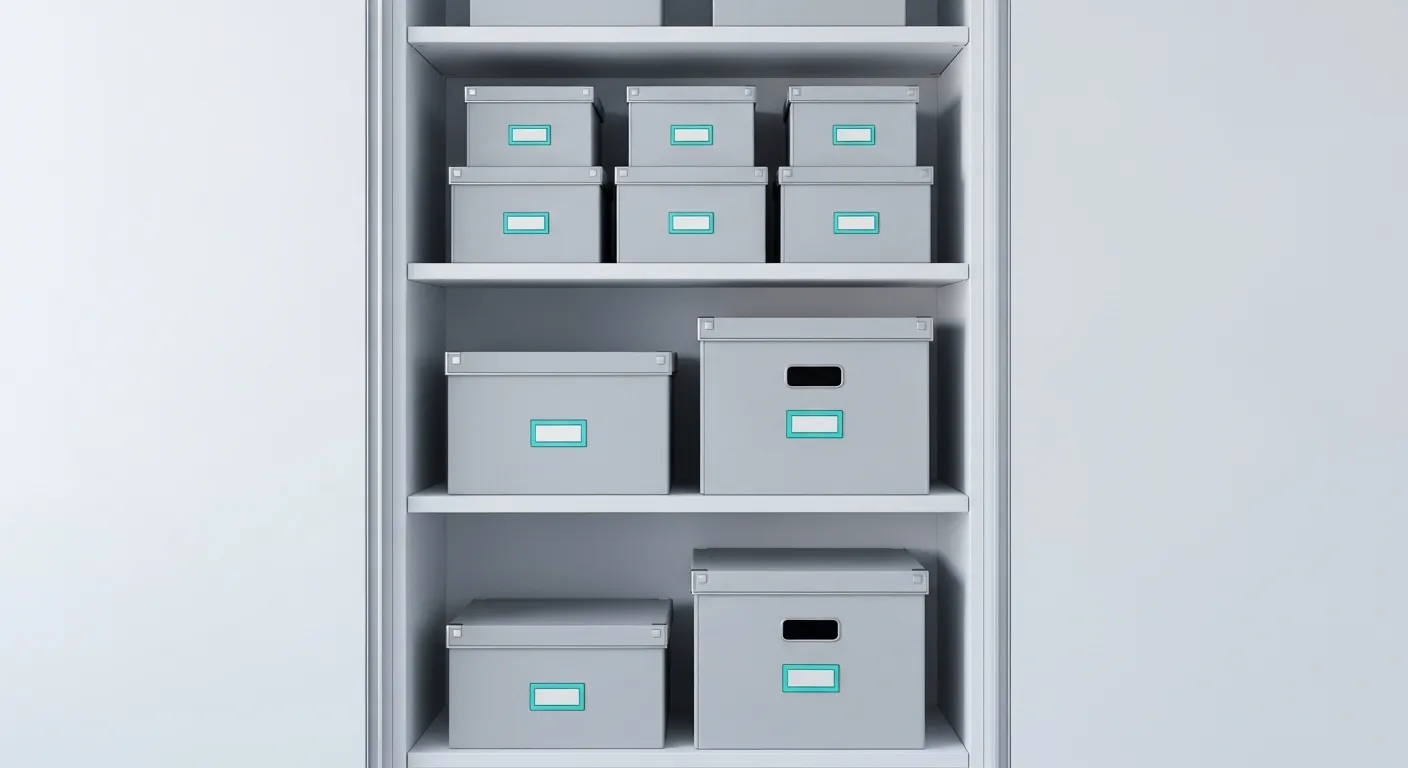
1. Label Boxes Clearly
Clearly label boxes by room and contents to make unpacking easier in your new home. This can save you a lot of hassle and time.
2. Prioritize Essentials
This is where the **efficiency of your packing** comes into play. Pack essential items separately so you have what you need right away upon arrival.
3. Consider Temporary Storage if Needed
If you’re overwhelmed, consider using a temporary storage unit for items that may not fit in your new space right away. Just ensure it won’t become a clutter catch-all.
Cultivating a Minimalist Routine in Your New Home
Once you are settled into your new space, maintaining a clutter-free environment requires a shift in daily habits. Consider these routines:
1. Daily Decluttering Habit
Integrate a quick daily decluttering habit into your routine. Spend just 10 minutes every day to put things back in their places or assess new items that enter your home.
2. Minimalist Mindset
Adopt a minimalist mindset by asking yourself, “Do I really need this?” every time you shop or receive new items. This can change your purchasing behaviors.
3. Create Useful Storage Solutions
Invest in functional storage solutions that encourage organized living. Bins, baskets, and labeled containers can help maintain order.
Finding the Motivation to Declutter
Sometimes the biggest hurdle is simply finding the motivation to get started. Here are some tips:
1. Visualize the End Goal
Keep a clear vision of the stress-free home you want. Remind yourself that the process is a means to an end.
2. Celebrate Small Wins
Acknowledge and celebrate the small victories along the way. Each item you leave behind is one step closer to a clutter-free home.
3. Stay Accountable
Share your decluttering goals with friends or family. Having someone to check in with can keep you motivated and on track.
By following these practical steps and adopting a forward-thinking mindset, your moving process can turn from a chaotic challenge into a refreshing new beginning. Remove what no longer serves you, and embrace the streamlined, efficient living that follows!

Related Articles
Our Categories:
-
⭐ Organization & Practical Living: Seu guia fundamental para criar um lar funcional, implementar sistemas de eficiência e construir uma vida cotidiana mais organizada e livre de estresse.
-
🏠 Home Organization: Guias fundamentais e planos sistemáticos para organizar cada cômodo, garantindo um layout de casa eficiente e livre de desordem.
-
✨ Decluttering Tips: Estratégias acionáveis, conselhos de especialistas e métodos passo a passo para simplificar seu espaço, reduzir pertences e manter uma mentalidade minimalista.
-
🧼 Cleaning Routines: Checklists eficientes, truques de limpeza rápida e recomendações de produtos sustentáveis para manter uma casa limpa e brilhante sem estresse.
-
📦 Storage Solutions: Ideias criativas e práticas para maximizar cada centímetro de espaço, utilizando armazenamento vertical e investindo em recipientes inteligentes e funcionais.
-
🗺️ Room By Room Guides: Tutoriais detalhados e específicos, e checklists para organização profunda e estilo de áreas individuais como cozinha, quarto e hall de entrada.
-
💡 Daily Life Hacks: Dicas rápidas e inteligentes, e ajustes simples na rotina diária que economizam tempo, aumentam a energia e tornam a vida cotidiana mais fácil de gerenciar.
-
⏳ Time Management Basics: Métodos simples e técnicas fundamentais para planejar, priorizar tarefas, definir metas e implementar o time-blocking para maximizar a produtividade.
-
✅ Checklists And Planners: Modelos para impressão, ferramentas e sistemas para planejar refeições, manutenção doméstica, mudança e rastreamento de tarefas para manter a vida funcionando perfeitamente.

What to Throw Away Before Moving?
Moving to a new home can be an exciting yet overwhelming process. One of the key aspects that many people overlook is what to dispose of before packing up their lives. Decluttering before a move not only saves time and money but also helps in making the new space feel fresh and organized. By thoughtfully evaluating what you truly need and what can go, you can minimize moving costs, reduce stress, and create a more welcoming environment in your new home. Here’s a detailed guide on what to throw away before moving and how it can impact your finances.
What to Consider Throwing Away
- Old Furniture: Pieces that are damaged or no longer fit your style can often be sold or donated.
- Unwanted Clothing: Check your wardrobe for items you haven’t worn in the past year.
- Broken Appliances: If they are beyond repair, it’s more economical to replace them.
- Expired Food: Clear out your pantry and fridge of items that won’t make the move.
- Books: If a book hasn’t been read or will not be read, consider donating.
- Unused Electronics: Old gadgets or chargers can often be recycled or discarded.
Conclusion
In conclusion, moving is the perfect opportunity to reassess your belongings and make financially savvy decisions. By throwing away unnecessary items, you not only reduce moving costs but also declutter your new space for a more organized lifestyle. This process can alleviate stress and provide a fresh start, making your new home feel just right. Remember, the less you move, the more you save!
FAQs
1. What should I throw away first when moving?
Begin with items that are broken or unused, such as old appliances, furniture, or clothing that hasn’t been worn in over a year.
2. How can I dispose of hazardous materials?
Check with local waste management services for proper disposal methods for hazardous materials like paints, cleaners, or batteries.
3. Should I sell or donate items before moving?
It depends on the item’s condition and value. Donate items in good condition and sell those that have significant resale value.
4. How do I decide what to keep?
Ask yourself if you’ve used the item in the past year or if it has sentimental value. If not, it might be time to let it go.
5. Can I throw away old electronics?
Yes, but ensure you follow local e-waste disposal regulations. Many places offer recycling programs for electronics.
6. What about furniture?
If furniture is damaged or doesn’t fit your new space, consider selling or donating it instead of moving it.
7. Is there a benefit to decluttering before moving?
Absolutely! It saves money on moving costs, reduces stress, and gives you a fresh start in your new home.
8. How to dispose of expired food items?
Check local guidelines for food waste disposal. Most often, expired food can go in the trash, but composting is an option for some items.
9. What items are commonly forgotten during moving?
People often forget to declutter items like seasonal decor, old paint, and rarely used kitchen gadgets.
10. Should I throw away old documents?
Shred documents that contain personal information before discarding them. Retain essential records for a certain period.
11. What if I’m unsure about keeping an item?
If you’re unsure, consider a “maybe” box and evaluate its importance after the move.
12. How can I recycle items before moving?
Look for local recycling programs or events where you can drop off recyclables, including paper, plastics, and metals.
13. Should I keep items for sentimental reasons?
Evaluate the number of items you keep for sentimentality; limit them to those that bring genuine joy or memories.
14. What’s the best way to get rid of clothes?
Donate, sell through online marketplaces, or recycle worn clothing depending on their condition and your local options.
15. How to make decluttering easier before a move?
Set a schedule, break it down into manageable tasks, and involve family members in decision-making to share the workload.