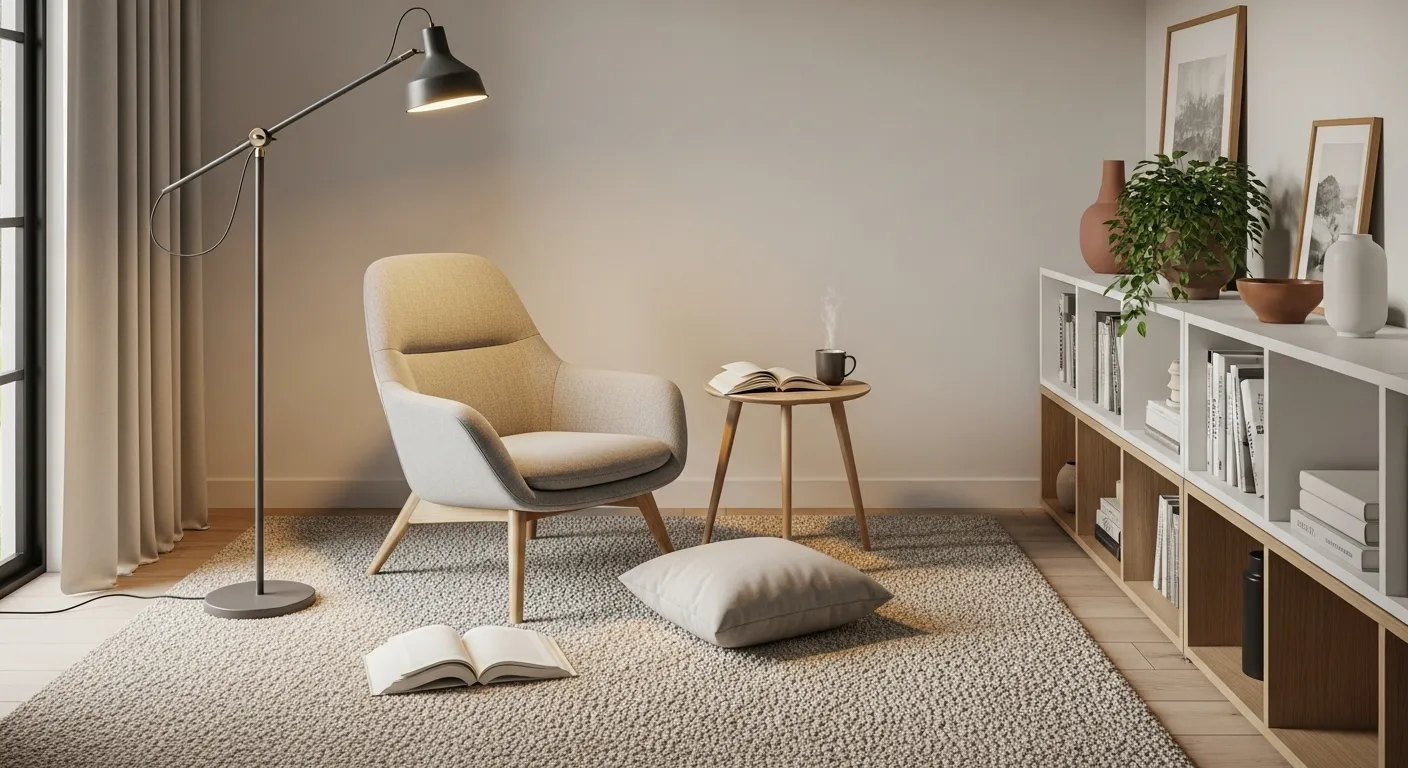
How can I become a home organizer?

How can I become a home organizer?
To become a successful home organizer, start by honing your organizational skills through practice and research. Learn effective strategies for decluttering and maximizing space, and familiarize yourself with various storage solutions. Consider obtaining professional certifications or attending workshops to deepen your knowledge. Building a portfolio of your work can showcase your skills, while networking with others in the industry can lead to valuable opportunities. Lastly, create a promotional strategy to attract potential clients.
How can I become a home organizer?
Understanding the Role of a Home Organizer
Becoming a home organizer involves much more than just tidying up spaces; it requires a deep understanding of how to create efficient, stylish, and personalized storage solutions that cater to individual lifestyles. A home organizer’s goal is to help clients reduce clutter, implement effective systems, and develop routines that allow them to maintain a serene living environment. Here’s what makes this profession fulfilling:
- Making a Difference: By transforming spaces, you can significantly enhance someone’s quality of life.
- Creativity: You’ll have the opportunity to apply creative problem-solving to storage and organization challenges.
- Personal Growth: This career path allows continual learning regarding products, systems, and trends in home organization.
Assessing Your Passion and Skills
Before diving into a career as a home organizer, it’s crucial to assess whether this is genuinely a passion for you. Here are some steps to guide your assessment:
- Self-Reflection: Ask yourself why you want to become a home organizer. Is it the joy of helping others or a personal love for organization?
- Skill Inventory: Evaluate your strengths. Are you detail-oriented? Do you have experience with interior design or spatial planning?
- Trial Projects: Offer to organize spaces for friends or family to get a hands-on feel for the work involved.
Educational Foundations in Home Organization
While formal education isn’t necessary, there are many resources to build your knowledge and credibility:
- Online Courses: Platforms like Udemy, Skillshare, or Coursera offer various courses on organization techniques, time management, and decluttering methods.
- Workshops: Attend workshops focused on organization and interior design to network and acquire practical skills.
- Reading Material: Books by organization professionals, such as Marie Kondo or Peter Walsh, provide insights into effective organizing strategies.
Developing a Home Organizer Skill Set
As you embark on this journey, developing key skills will help you succeed:
- Time Management: Learn to create and stick to a timeline for projects, ensuring efficiency and client satisfaction.
- Communication: Strong listening skills will be essential in understanding clients’ needs and preferences.
- Problem Solving: Being able to think on your feet and offer creative storage solutions tailored to clients is vital.
- Empathy: Having a non-judgmental attitude creates a safe space for clients who may feel overwhelmed by their clutter.
Establishing Your Home Organizing Business
Once you have the foundational knowledge and skills, start to establish your business:
- Brand Development: Create a business name that reflects your mission and services. Consider your target audience when branding.
- Service Offerings: Outline what services you will provide. Popular options include home organization, decluttering sessions, and closet makeovers.
- Pricing Structure: Research competitive pricing in your area and establish a pricing structure that reflects your experience and expertise.
Marketing Your Services Effectively
With your business operational, effective marketing will help attract clients:
- Online Presence: Create a professional website and social media profiles to showcase your work and share organizing tips.
- Networking Opportunities: Connect with local businesses, real estate agents, and other service providers to generate referrals.
- Client Testimonials: Gather and display testimonials from clients to build credibility and trust.
Creating Actionable Organizing Systems
As a home organizer, a significant part of your role will involve developing systems that clients can maintain post-service. Focus on:
- Personalized Systems: Tailor organizational systems to fit each client’s lifestyle. Consider their daily routines and preferences.
- Simple Solutions: Aim for easy-to-implement solutions that don’t overwhelm clients. Start with small projects to encourage a sense of accomplishment.
- Regular Maintenance: Encourage clients to establish regular maintenance check-ins to keep their spaces organized.
Emphasizing Minimalist Routines
Encouraging clients to embrace minimalist routines can drastically reduce clutter:
- Decluttering Process: Guide clients through a decluttering process that involves sorting items into categories such as keep, donate, or discard.
- Mindfulness Practices: Suggest that clients adopt mindful consumption habits to prevent future clutter.
- Routine Checks: Recommend seasonal or quarterly reviews of their spaces to categorize items regularly.
Implementing Client Feedback for Improvement
Always seek feedback from your clients to improve your services:
- Surveys: Create quick surveys post-project to understand what worked well and where you can improve.
- Follow-Up Calls: Simple follow-up calls can help ensure clients are satisfied and allow for discussions on future needs.
- Portfolio Development: Develop a portfolio of past projects to continuously assess and refine your approach.
As you can see, becoming a home organizer is an accessible and fulfilling career path built on passion, skills, and thoughtful execution. By focusing on developing your abilities and providing exceptional service to your clients, you will not only help others achieve their goal of a stress-free home but also find immense satisfaction in creating the organized spaces they desire. Through trial, experience, and connection with others in the field, you can make a significant impact as a home organizer.

Related Articles
Our Categories:
-
⭐ Organization & Practical Living: Seu guia fundamental para criar um lar funcional, implementar sistemas de eficiência e construir uma vida cotidiana mais organizada e livre de estresse.
-
🏠 Home Organization: Guias fundamentais e planos sistemáticos para organizar cada cômodo, garantindo um layout de casa eficiente e livre de desordem.
-
✨ Decluttering Tips: Estratégias acionáveis, conselhos de especialistas e métodos passo a passo para simplificar seu espaço, reduzir pertences e manter uma mentalidade minimalista.
-
🧼 Cleaning Routines: Checklists eficientes, truques de limpeza rápida e recomendações de produtos sustentáveis para manter uma casa limpa e brilhante sem estresse.
-
📦 Storage Solutions: Ideias criativas e práticas para maximizar cada centímetro de espaço, utilizando armazenamento vertical e investindo em recipientes inteligentes e funcionais.
-
🗺️ Room By Room Guides: Tutoriais detalhados e específicos, e checklists para organização profunda e estilo de áreas individuais como cozinha, quarto e hall de entrada.
-
💡 Daily Life Hacks: Dicas rápidas e inteligentes, e ajustes simples na rotina diária que economizam tempo, aumentam a energia e tornam a vida cotidiana mais fácil de gerenciar.
-
⏳ Time Management Basics: Métodos simples e técnicas fundamentais para planejar, priorizar tarefas, definir metas e implementar o time-blocking para maximizar a produtividade.
-
✅ Checklists And Planners: Modelos para impressão, ferramentas e sistemas para planejar refeições, manutenção doméstica, mudança e rastreamento de tarefas para manter a vida funcionando perfeitamente.

How Can I Become a Home Organizer?
Are you passionate about tidying up spaces and helping others? Becoming a home organizer can be a rewarding career, especially for those who want to make a difference in people’s lives and create serene environments. Home organization is not just about decluttering; it’s about enhancing productivity, comfort, and overall well-being in one’s home. With the right skills, strategies, and mindset, you can turn your passion into a profitable venture.
Steps to Become a Home Organizer
To embark on this rewarding journey, follow these essential steps:
- Assess Your Skills: Identify your strengths in organization, time management, and customer service.
- Educate Yourself: Take courses on organization, interior design, or even business management.
- Create a Business Plan: Outline your services, pricing, and marketing strategies.
- Build a Portfolio: Start organizing friends’ or family members’ spaces to showcase your work.
- Market Yourself: Utilize social media and local advertising to attract clients.
FAQs
1. What qualifications do I need to become a home organizer?
There are no formal qualifications required, but courses in interior design and business management can be beneficial.
2. How do I price my home organizing services?
Research your competitors and consider pricing per hour or project, factoring in your experience and the complexity of the job.
3. Can I start a home organizing business part-time?
Absolutely! Many organizers start part-time while maintaining other jobs until their business grows.
4. What tools do I need as a home organizer?
Basic tools include bins, organizers, labels, and cleaning supplies. Invest in quality storage solutions over time.
5. How can I find clients?
Promote your services on social media, create a website, and network with realtors or interior designers to gain referrals.
6. Is home organizing a profitable business?
Yes, demand for organizing services is rising, making it a potentially lucrative business opportunity.
7. How can I promote my home organizing services?
Leverage social media, create a blog, offer free workshops, and collect testimonials to build credibility.
8. What are some common mistakes to avoid?
Don’t underestimate your time, avoid over-promising results, and ensure clear communication with clients.
9. Do I need insurance for my business?
While not mandatory, having liability insurance can protect you from potential claims arising from your work.
10. How can I improve my organizing skills?
Practice regularly, seek feedback, attend workshops, and follow industry leaders for tips and inspiration.
11. Can I specialize in a specific type of organizing?
Absolutely! You can focus on areas like kitchens, garages, paper management, or a niche market, such as organizing for seniors.
12. What’s the best way to manage my time as an organizer?
Use scheduling tools, set priorities, and create a structured workflow to make your projects efficient.
13. Do I need to invest in advertising?
Initially, you may rely on word-of-mouth, but consider investing in targeted advertising as your business grows.
14. How can I stay motivated in this business?
Set clear goals, celebrate small wins, and engage with a community of fellow organizers for support and inspiration.
15. How do I handle difficult clients?
Maintain professionalism, listen actively, and establish clear boundaries to handle challenging situations effectively.
Conclusion
Becoming a home organizer is a fulfilling way to help others while building a successful career. Start by leveraging your skills, educating yourself, and creating a business plan. Ensure you market your services effectively to gain clients and enhance your reputation. As you establish yourself, you’ll not only transform spaces but also positively impact the lives of your clients. With determination and creativity, the world of home organization can become your new reality, opening a pathway to financial success and personal satisfaction. Dive into this exciting journey, and let your organizational skills shine!