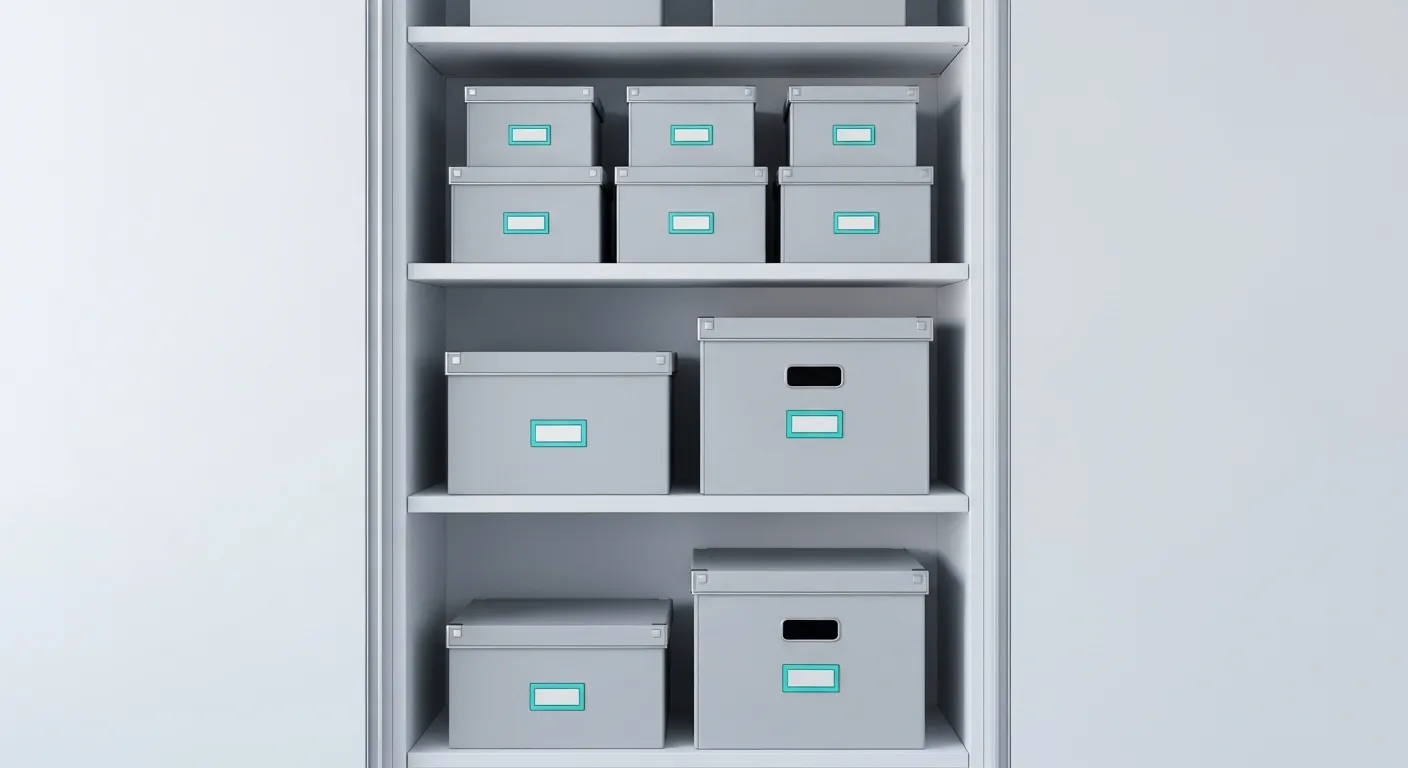
What is the best way to organize documents at home?

What is the best way to organize documents at home?
The best way to organize documents at home is to implement a systematic filing system. Begin by categorizing documents into essential groups such as financial records, medical files, legal documents, and personal correspondence. Use labeled folders or binders for each category and consider a digital backup for important files. Regularly review and purge unnecessary documents to maintain organization. Finally, designate a specific location for all paperwork to streamline access and retrieval when needed.
What is the Best Way to Organize Documents at Home?
Understanding the Importance of Document Organization
Keeping your documents organized at home is not just about aesthetics; it’s about enhancing your efficiency and reducing stress. A well-organized document system can save you time and prevent frustration when you need to locate important papers. By decluttering and implementing a structured system, you can create a space that nurtures calm and clarity.
Assessing Your Document Collection
Before diving into organizing, it’s vital to assess what documents you have. Gather all physical and digital papers scattered around your home.
- **Bills** – Utilities, credit cards, and statements
- **Important Legal Documents** – Birth certificates, passports, and marriage licenses
- **Health Records** – Medical history and insurance information
- **Tax Documents** – Previous years’ returns and supporting materials
- **Miscellaneous** – Receipts, warranties, and other papers
This assessment will give you a clear idea of what needs to be organized and is essential for the decluttering process.
Decluttering Your Documents
Start the decluttering process by determining which documents you need to keep and which can be discarded. Here’s how:
- Keep:
- Essential documents like legal paperwork and health records
- Documents required for tax filing
- Current bills and statements
- Shred or Recycle:
- Old bills that you no longer need
- Outdated papers that have no value
- Duplicates of documents or past tax returns (over 3 to 7 years can generally be disposed of)
Be mindful during this process. If a document brings up uncertainty, ask yourself if it’s something you would miss if it were gone. If it’s not essential, it might be time to let it go.
Creating a Document Organization System
Once you’ve decluttered, it’s time to set up your organization system. Here’s a structured approach:
1. Decide on a Storage Method
You can choose between physical filing systems or digital storage, depending on your preference:
- Physical Filing:
- Use a filing cabinet or file boxes.
- Invest in sturdy file folders and labels.
- Digital Organizing:
- Scan important documents and save them on your computer or cloud storage.
- Use online tools or apps like Google Drive or Dropbox for easy access.
2. Categorize Your Documents
Organizing your files into clear categories will help you find what you need quickly. Typical categories might include:
- **Finance** – Bank statements, budgets, insurance.
- **Health** – Medical records, prescriptions.
- **Home** – Rental agreements, deeds, warranties.
- **Personal** – Identification, keepsakes, family documents.
3. Implement a Labeling System
Make it easy to identify what each folder contains by labeling them clearly. Your labels should be:
- **Clear** – Use simple wording.
- **Consistent** – Keep the format uniform (e.g., all caps, color-coded).
- **Descriptive** – Provide enough detail for quick identification.
4. Set Up a Maintenance Routine
Establish a routine to maintain your organization system:
- **Weekly Review:** Dedicate a few minutes each week to sort through new documents.
- **Monthly Organization:** Set aside time monthly to reorganize files and purge unnecessary papers.
- **Annual Audit:** Assess your document collection annually to ensure everything remains relevant and up to date.
Document Security Considerations
Protecting your important documents is crucial. Here are some strategies to enhance security:
- Physical Security:
- Store sensitive documents in a locked filing cabinet.
- Limit access to these files to trusted individuals only.
- Digital Security:
- Use password-protected files for sensitive information.
- Regularly back up your data.
- Consider using encrypted storage solutions.
Getting Started with Digital Organization Tools
If you decide to go digital, there are several tools that can help streamline the process:
- Document Scanning Apps: Apps like CamScanner or Adobe Scan can help you digitize your paper documents easily.
- Cloud Storage Solutions: Google Drive, OneDrive, and Dropbox allow you to access documents from anywhere.
- Organization Software: Consider platforms like Evernote or Notion for broader organization possibilities.
Staying Motivated and Engaged in the Process
Document organization can feel overwhelming, but breaking it down into manageable tasks can help you stay motivated:
- Set Short-Term Goals: Aim to complete one category (like finance) each weekend.
- Reward Yourself: Treat yourself after reaching significant milestones in your organization journey.
- Visualize the Finish Line: Keep reminding yourself of the benefits of a clutter-free and organized space.
Identifying Common Challenges and Solutions
As you embark on this organizing endeavor, be aware of common challenges you may encounter and how to overcome them:
- Procrastination: Break tasks into smaller steps and set specific deadlines to hold yourself accountable.
- Sentimental Attachments: Remind yourself of the relief you’ll feel letting go of unnecessary items to clear your space.
- Overwhelm: Take breaks to avoid burnout and tackle documents in segments.
Conclusion
Though this guide doesn’t have a formal conclusion, remember that organizing your documents at home is a journey rather than a race. With each small step, you’re moving towards a more efficient, stress-free living space. Embrace the process and celebrate your progress as it comes!

Related Articles
Our Categories:
-
⭐ Organization & Practical Living: Seu guia fundamental para criar um lar funcional, implementar sistemas de eficiência e construir uma vida cotidiana mais organizada e livre de estresse.
-
🏠 Home Organization: Guias fundamentais e planos sistemáticos para organizar cada cômodo, garantindo um layout de casa eficiente e livre de desordem.
-
✨ Decluttering Tips: Estratégias acionáveis, conselhos de especialistas e métodos passo a passo para simplificar seu espaço, reduzir pertences e manter uma mentalidade minimalista.
-
🧼 Cleaning Routines: Checklists eficientes, truques de limpeza rápida e recomendações de produtos sustentáveis para manter uma casa limpa e brilhante sem estresse.
-
📦 Storage Solutions: Ideias criativas e práticas para maximizar cada centímetro de espaço, utilizando armazenamento vertical e investindo em recipientes inteligentes e funcionais.
-
🗺️ Room By Room Guides: Tutoriais detalhados e específicos, e checklists para organização profunda e estilo de áreas individuais como cozinha, quarto e hall de entrada.
-
💡 Daily Life Hacks: Dicas rápidas e inteligentes, e ajustes simples na rotina diária que economizam tempo, aumentam a energia e tornam a vida cotidiana mais fácil de gerenciar.
-
⏳ Time Management Basics: Métodos simples e técnicas fundamentais para planejar, priorizar tarefas, definir metas e implementar o time-blocking para maximizar a produtividade.
-
✅ Checklists And Planners: Modelos para impressão, ferramentas e sistemas para planejar refeições, manutenção doméstica, mudança e rastreamento de tarefas para manter a vida funcionando perfeitamente.

What is the Best Way to Organize Documents at Home?
In today’s fast-paced world, maintaining an organized document system at home is crucial, especially in the finance niche. Proper organization helps you easily access important financial documents, reduces stress, and encourages better management of your finances. Whether you’re dealing with tax returns, banking statements, or insurance papers, developing a structured approach is essential. This guide will explore effective methods to organize your documents, ensuring you can find what you need when you need it.
Conclusion
Organizing your documents at home doesn’t have to be overwhelming. By implementing a systematic approach that includes categorization, labeling, and utilizing appropriate storage solutions, you can streamline your paperwork efficiently. Consider using tools like binders, cloud storage, and filing cabinets to enhance accessibility and minimize clutter. Regularly reviewing and updating your document organization system will keep you on top of your finances and allow you peace of mind. Investing time in organizing now means you’ll save time and avoid frustration in the future.
FAQ
1. What types of documents should I keep organized at home?
You should keep tax documents, bank statements, insurance policies, investment records, bills, and warranties organized for easy access and management.
2. How can I categorize my financial documents?
Use categories like income, expenses, investments, insurance, and taxes. This allows for easier searching and retrieval when needed.
3. What is the best way to store important documents?
Consider using fireproof and waterproof filing cabinets, digital cloud storage, or a combination of both to protect and store important documents safely.
4. How often should I review my documents?
Review your documents at least once a year to discard outdated ones and ensure your storage system stays relevant and manageable.
5. Should I digitize my documents?
Yes, digitizing documents helps reduce physical clutter, ensures easy access, and provides a backup in case of loss or damage to physical copies.
6. What tools can help organize financial documents?
Tools like file folders, labels, online document management software, and cloud storage services can enhance your organization system.
7. How do I create a filing system?
Begin by sorting documents into broad categories, then create subcategories and use labeled folders to separate them for quick access.
8. How should I handle sensitive information?
Store sensitive documents in a locked filing cabinet or password-protected digital formats to keep them secure from unauthorized access.
9. Can I use color coding for my documents?
Absolutely! Color coding can make it easier to identify categories at a glance, improving efficiency and organization.
10. How can I ensure my documents are protected?
Use durable storage options like acid-free folders or boxes, and consider high-quality cloud storage with strong encryption for digital files.
11. What should I do with old documents?
Shred or securely dispose of any documents containing personal information that you no longer need, while following relevant retention regulations.
12. Is it necessary to keep paper copies of everything?
No, many documents can be stored digitally. However, keep copies of essential legal documents and anything else important that you cannot replace.
13. How can I simplify tax season document organization?
Keep a dedicated folder for all tax-related documents throughout the year to avoid scrambling when tax season arrives.
14. What storage solutions are best for small spaces?
Consider vertical filing systems, stackable boxes, or under-bed storage for maximizing space in small living areas.
15. How can I make my document organization system long-lasting?
Commit to regularly reviewing and updating your system, involve family members in the process, and adapt it as your financial needs change.