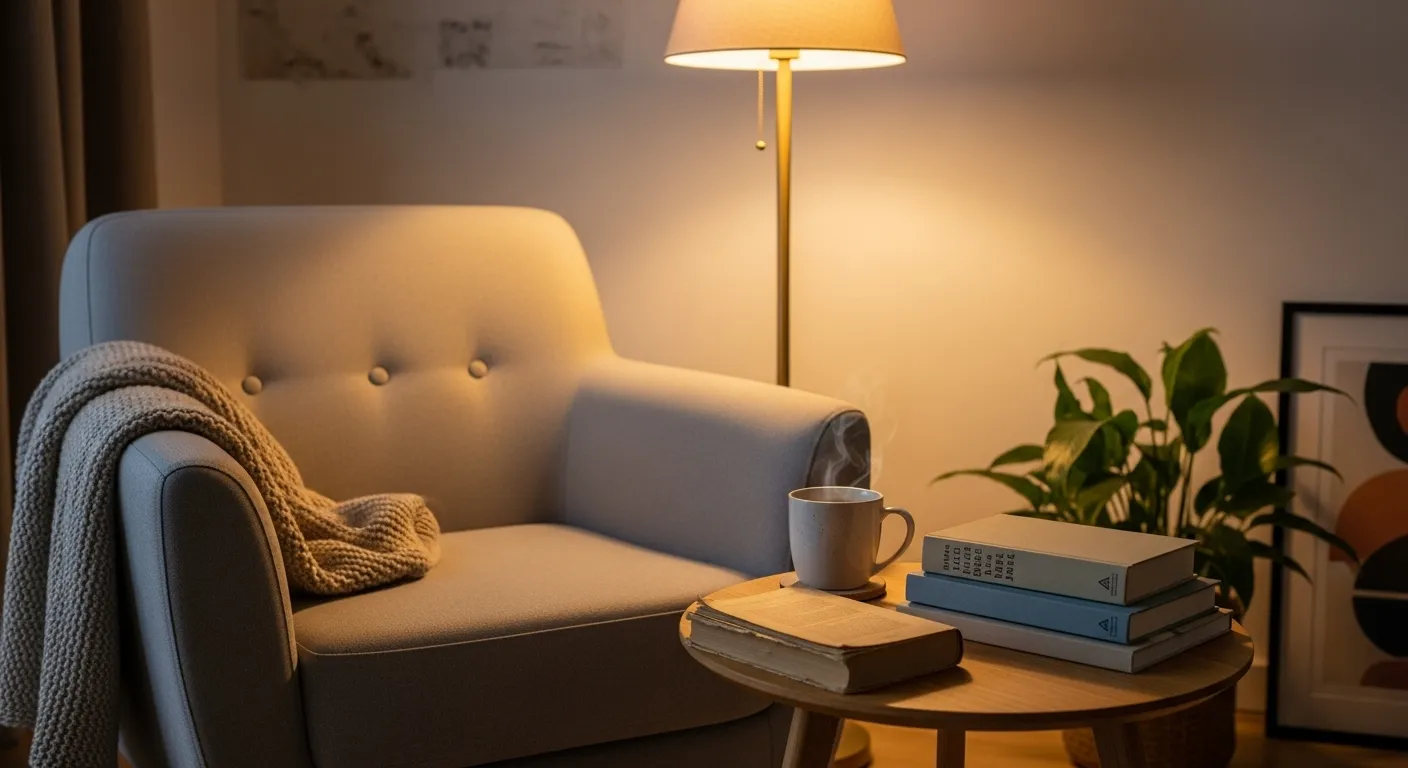
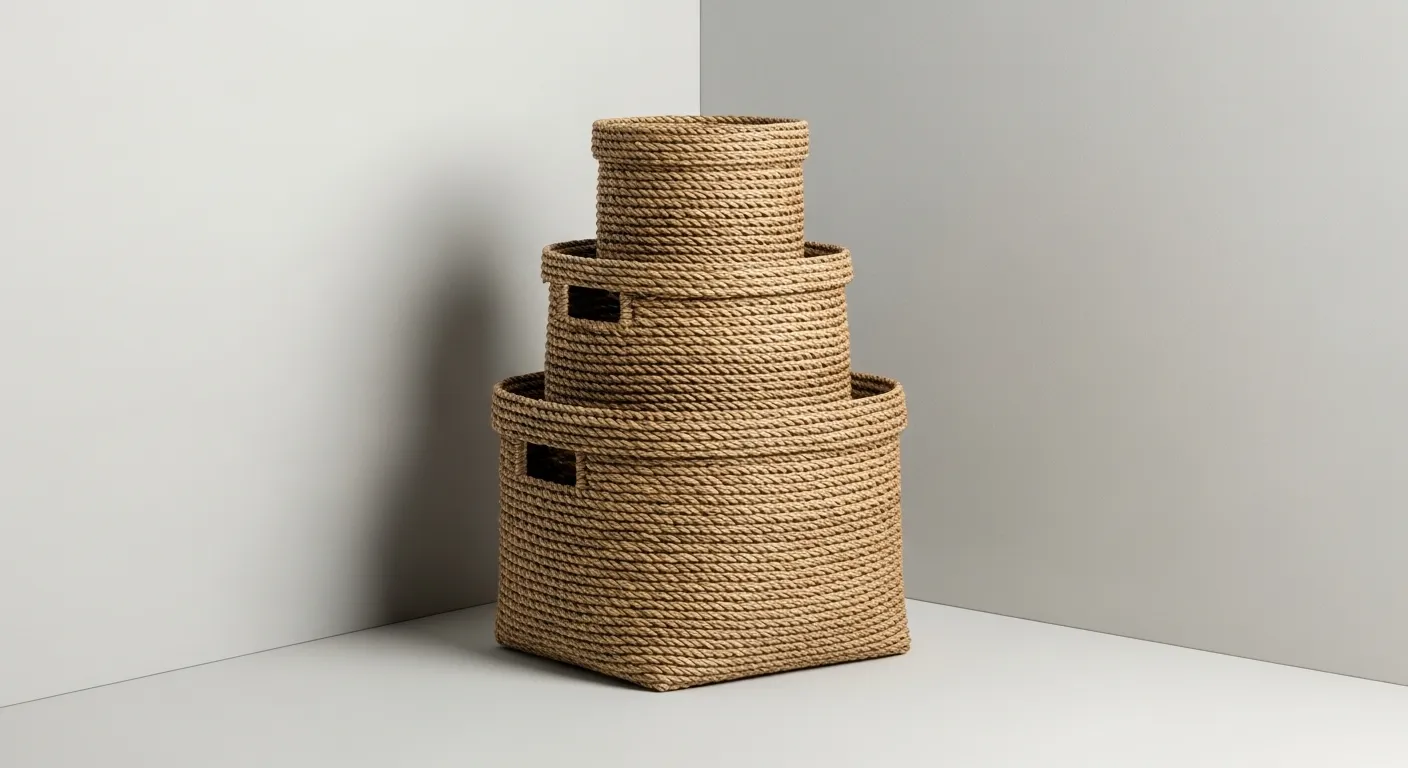
How many hours a day to declutter?

How many hours a day to declutter?
The ideal number of hours to dedicate to decluttering each day can vary based on individual circumstances and the extent of clutter present. Generally, aiming for 1 to 2 hours daily allows for manageable progress while preventing overwhelm. Consistency is key; short, focused sessions can be more effective than longer, sporadic efforts. Ultimately, setting realistic goals and creating a structured plan fosters a sustainable decluttering routine, leading to a more organized and serene living environment.
How Many Hours a Day to Declutter?
Understanding the Decluttering Process
Decluttering is more than just cleaning; it’s about creating a space that promotes peace and productivity. The first step in determining how many hours a day to dedicate to decluttering is to understand what you want to achieve. Are you looking to create a minimalist home, prepare for a move, or simply maintain a more organized environment? Each goal may require different time investments.
Assessing Your Clutter Levels
Before setting a decluttering schedule, take a moment to assess the amount of clutter in your home. Consider these questions:
- How many rooms need attention?
- Are there specific areas where clutter accumulates, such as the kitchen or garage?
- Do you have emotional attachments to some of your belongings?
Based on your assessment, you can better gauge how many hours to allocate for decluttering each day. A good rule of thumb is to start with 15-30 minutes a day for smaller spaces or less accumulated clutter, and increase as needed based on your goals.
Creating a Decluttering Schedule
Setting aside time each day or week to declutter can help you stay on track and make the process less overwhelming. Here’s how to create an effective decluttering schedule:
- Choose a time: Find a consistent time in your daily routine when you feel most energized. This could be in the morning with your coffee or in the evening after dinner.
- Set clear goals: Decide what you want to accomplish in each session, such as decluttering a specific room, closet, or drawer.
- Use a timer: Set a timer for the allotted time—this can help you maintain focus, and it makes the task feel less daunting.
Utilizing Time Blocks for Maximum Efficiency
Time blocking is a method that can help you efficiently allocate your decluttering time. Here’s how to implement it:
- Identify available time slots: Look at your daily schedule and identify blocks of time you can dedicate to decluttering. This could be as little as 20 minutes or two hours, depending on your daily commitments.
- Mix it up: Alternate between lighter decluttering sessions (15-30 minutes) and longer sessions (1-2 hours) to keep the process from becoming monotonous.
- Account for breaks: Schedule short breaks to avoid burnout, especially during longer decluttering sessions.
Deciding on Daily Hours for Decluttering
As mentioned, the time you spend decluttering largely depends on your personal situation. However, here are some guidelines based on common scenarios:
- Minimal Clutter: If your space is generally organized but needs a tune-up, dedicating 15-30 minutes daily can be effective for quick fixes and maintenance.
- Moderate Clutter: For homes with accumulated clutter that requires more attention, consider spending 30-60 minutes per day, allowing for more thorough sorting and organizing.
- Significant Clutter: If decluttering feels like a monumental task, aim for 1-2 hours per day on weekends or your days off, breaking the process down into manageable sections.
Integrating Decluttering into Your Lifestyle
To sustain your decluttering efforts, it’s vital to integrate them into your lifestyle. Here are some practical tips:
- Start small: Choose one area that feels manageable to declutter first, such as your bedside table or a single drawer.
- Involve family members: Get household members involved to not only share the workload but also encourage commitment to the organized space.
- Celebrate small victories: Acknowledge and enjoy the progress you make, no matter how small. This will motivate you to continue your efforts.
Maintaining Your Decluttered Space
Once you’ve made headway in decluttering, maintaining that organization is essential. You can implement these strategies:
- Adopt a one-in, one-out rule: For every new item that comes into your home, consider letting go of an existing item.
- Regular check-ins: Schedule monthly or quarterly check-ins to evaluate clutter levels and address any build-up that may occur.
- Create designated spaces: Ensure every item has a designated place, making it easier to return things to their homes after use.
Motivation and Mindset Shifts in Decluttering
Decluttering isn’t just a physical process; it’s also a mental one. Cultivating a mindset that embraces simplicity can aid greatly in your decluttering journey:
- Focus on the benefits: Remind yourself how a decluttered space will positively impact your life—less stress, more clarity, and improved focus.
- Visualize your goals: Picture the organized space you desire. Creating a vision board can serve as a motivational reminder.
- Practice self-compassion: Understand that decluttering is a process that will take time, and it’s okay to experience setbacks.
Final Thoughts on Time Commitment
Ultimately, how many hours a day you choose to declutter is entirely personal. It’s about finding a rhythm that works for you and your lifestyle. Start small, adjust as needed, and remember that consistency is key to transforming your home. By incorporating decluttering into your daily routine with clear goals and a welcoming mindset, you can achieve a stress-free, organized living space that brings you joy.

Related Articles
Our Categories:
-
⭐ Organization & Practical Living: Seu guia fundamental para criar um lar funcional, implementar sistemas de eficiência e construir uma vida cotidiana mais organizada e livre de estresse.
-
🏠 Home Organization: Guias fundamentais e planos sistemáticos para organizar cada cômodo, garantindo um layout de casa eficiente e livre de desordem.
-
✨ Decluttering Tips: Estratégias acionáveis, conselhos de especialistas e métodos passo a passo para simplificar seu espaço, reduzir pertences e manter uma mentalidade minimalista.
-
🧼 Cleaning Routines: Checklists eficientes, truques de limpeza rápida e recomendações de produtos sustentáveis para manter uma casa limpa e brilhante sem estresse.
-
📦 Storage Solutions: Ideias criativas e práticas para maximizar cada centímetro de espaço, utilizando armazenamento vertical e investindo em recipientes inteligentes e funcionais.
-
🗺️ Room By Room Guides: Tutoriais detalhados e específicos, e checklists para organização profunda e estilo de áreas individuais como cozinha, quarto e hall de entrada.
-
💡 Daily Life Hacks: Dicas rápidas e inteligentes, e ajustes simples na rotina diária que economizam tempo, aumentam a energia e tornam a vida cotidiana mais fácil de gerenciar.
-
⏳ Time Management Basics: Métodos simples e técnicas fundamentais para planejar, priorizar tarefas, definir metas e implementar o time-blocking para maximizar a produtividade.
-
✅ Checklists And Planners: Modelos para impressão, ferramentas e sistemas para planejar refeições, manutenção doméstica, mudança e rastreamento de tarefas para manter a vida funcionando perfeitamente.

How Many Hours a Day to Declutter?
Decluttering can be a daunting task, especially when our possessions seem to pile up over time. Whether you’re looking to create a more organized home, free up space for financial opportunities, or just ease your mind, knowing how much time to dedicate to decluttering can make a significant difference. The approach you take will depend on your personal goals and the size of your space. In this article, we’ll explore how many hours a day you should ideally spend on decluttering, along with practical tips to streamline the process. Let’s get started!
Conclusion
Incorporating decluttering into your daily routine doesn’t require exhausting hours; rather, dedicating just 30 minutes to 1 hour each day can yield significant results over time. Assess your space and priorities to create a manageable plan. By breaking down your decluttering tasks, you not only enhance your living environment but also open up opportunities for better financial management and savings. Remember, each small step counts, and soon you’ll notice a more organized and financially savvy lifestyle. Start today, and enjoy the benefits of a clutter-free space.
Frequently Asked Questions
How many hours should I spend decluttering each day?
Spending 30 minutes to 1 hour daily can lead to effective decluttering, making the process manageable and less overwhelming.
Can I declutter in shorter time intervals?
Absolutely! You can even break it down into 10-15 minute sessions throughout the day if that suits your schedule better.
What areas should I focus on when decluttering?
Start with high-impact areas like your living room, kitchen, and home office, where clutter tends to accumulate quickly.
How can I keep my decluttering sessions productive?
Use a timer to stay focused and set specific goals for each session, like decluttering one room or category of items.
Is it better to declutter alone or with a friend?
It depends on your preference! A friend can provide support and motivation, while solo decluttering offers solitude and focus.
What should I do with items I no longer need?
Consider donating, recycling, or selling items online. This not only clears space but can also improve your financial situation.
How often should I declutter?
A monthly or seasonal decluttering schedule helps maintain organization and prevent clutter from building up again.
Do I need special tools for decluttering?
No special tools are required! Simple boxes or bags for sorting items can be very effective.
How do I stay motivated to declutter?
Visualize the end result and remember the benefits of a decluttered space, like increased financial opportunities and reduced stress.
Can decluttering save me money?
Yes! By selling unwanted items and avoiding impulse purchases, decluttering can lead to significant financial savings.
What is the first step in decluttering?
Identify your purpose for decluttering and choose a specific area to tackle first, which will help focus your efforts.
What if I get overwhelmed during the decluttering process?
If you feel overwhelmed, take a break, and revisit with a fresh mindset later. Progress is key!
Should I set a decluttering deadline?
Setting a deadline can motivate you, but be flexible. Allow yourself the time needed to complete the task thoroughly.
How do I deal with sentimental items?
Take time to evaluate their significance and consider keeping a few special pieces while letting go of the rest.
Is there a decluttering method I should follow?
Popular methods include the KonMari method and the Four-Box method, which emphasize organizing and categorizing items effectively.