What is the 50% rule for clutter?

What is the 50% rule for clutter?
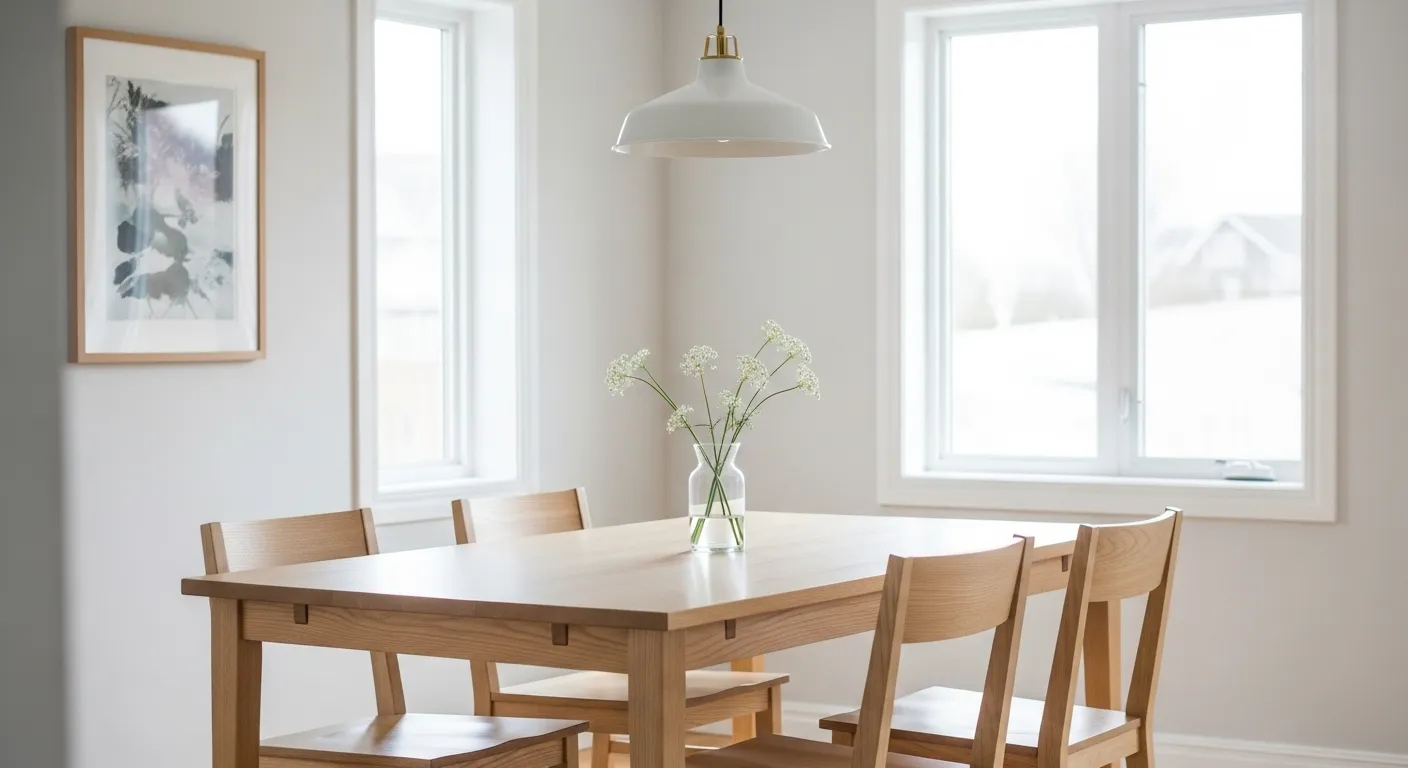
The 50% rule for clutter suggests that individuals should aim to keep only half of their possessions relative to the available space they have. This principle encourages homeowners to evaluate their belongings critically, promoting minimalism and organization. By maintaining a balanced ratio between items and space, one can reduce clutter, enhance functionality, and foster a more serene environment. Implementing this rule not only simplifies living conditions but also supports mental well-being by minimizing distractions.
What is the 50% Rule for Clutter?
Understanding the 50% Rule: A Simple Definition
The 50% rule for clutter is a practical guideline aimed at helping individuals manage their belongings more effectively, especially when it feels overwhelming. The essence of the rule is straightforward: if you possess more items than you actively use or need, it’s time to consider decluttering. The goal is to maintain about 50% of your items relative to the space available, making your living areas more manageable, organized, and ultimately, stress-free.
The Motivation Behind the 50% Rule
Why adopt the 50% rule? Many busy individuals find themselves surrounded by clutter that makes daily living feel chaotic. The motivation for implementing this rule stems from several key benefits:
- Reduces Stress: A clutter-free space often translates to a clearer mind.
- Enhances Productivity: Limit distractions and focus on what’s genuinely essential.
- Encourages Mindful Consumption: You become more aware of your purchasing habits, which promotes sustainability.
- Improves Space Utilization: Maximizes the use of available space, making home organization more efficient.
How to Implement the 50% Rule in Your Home
Implementing the 50% rule requires a structured approach to decluttering. Here’s a step-by-step guide to help you tackle this efficiently:
Step 1: Evaluate Your Space
Begin by reviewing the areas in your home that feel cluttered. This could be a room, a closet, or even a countertop. Make a note of what items are taking up space but aren’t serving you.
Step 2: Categorize Your Items
Use the following categories to sort your belongings:
- Keep: Items you use frequently or that hold significant sentimental value.
- Donate/Sell: Items in good condition that you don’t use but might be useful to someone else.
- Trash: Broken or damaged items that can’t be repaired or reused.
Step 3: Assess Your Quantities
Once you have sorted your items into their respective categories, the next step is to evaluate the quantity of each category compared to the total items you have. The goal here is to aim for a balance where approximately 50% of your belongings are essential.
Step 4: Take Action!
Now that you’ve categorized and assessed your belongings, it’s time to take action:
- Donate or Sell: Arrange for a donation pickup or set up a yard sale to remove surplus items.
- Dispose of Unusable Items: Make a plan for trash disposal or recycling of broken goods.
- Organize Kept Items: Ensure the remaining items have a designated space, using storage solutions like bins, baskets, or shelves.
Challenges You May Face
Implementing the 50% rule can be difficult, especially for those emotionally attached to their belongings. Here are some common challenges and how to overcome them:
1. Sentimental Items
Many individuals struggle with letting go of items with emotional value. Consider these strategies:
- Take a photo of the item before discarding it.
- Limit your sentimental items to a designated box to minimize accumulation.
2. The “What If” Syndrome
Many people hold onto items for potential future use. To combat this:
- Set a time limit for usage; if you haven’t used it in a year, it’s time to let it go.
- Remind yourself that you can always rent or borrow items instead of owning them.
3. Overwhelm
The decluttering process can feel daunting. To make it manageable:
- Work on one area at a time, such as a single room, drawer, or even a shelf.
- Set a timer for short bursts of decluttering (e.g., 15-30 minutes) to make it feel less burdensome.
Creating a Maintenance System
After successfully implementing the 50% rule, it’s essential to maintain this newfound organization. Consider the following systems:
Daily Maintenance
Designate a few minutes each day to tidy up and ensure new items don’t contribute to clutter build-up. This can be done through:
- Time Blocking: Allocate specific times during your day for tidying, such as after meals or before bed.
- Adopting a “One In, One Out” Policy: For every new item you bring into your home, let go of an existing one.
Weekly Decluttering Sessions
Consider scheduling weekly sessions to evaluate your belongings and keep your clutter in check. During these sessions:
- Go through a specific room or area and apply the 50% rule periodically.
- Make it a family activity, involving everyone to create a shared sense of responsibility.
The Positive Impact of the 50% Rule on Your Life
Embracing the 50% rule not only transforms your physical space but can have a profound impact on your mental well-being.
Improved Focus
A decluttered environment often leads to enhanced concentration and productivity. Without distractions, it becomes easier to focus on daily tasks, work, or family time.
Increased Joy
By surrounding yourself with only the items that bring you joy or serve a purpose, you’re simplifying your environment, which fosters a joyful, calm atmosphere in your home.
Strengthened Decision-Making Skills
Regularly evaluating your belongings begins to strengthen your decision-making capabilities. You’ll become more adept at deciding what truly matters, impacting other areas of your life.
Final Thoughts on Embracing the 50% Rule
The journey to reducing clutter and achieving a stress-free home might seem challenging, but adopting the 50% rule creates a practical, actionable framework to follow. Remember that the goal is not perfection but progress. Celebrate your accomplishments along the way and allow your home to reflect a lifestyle that empowers and inspires you.
Through consistent practice and a commitment to mindful consumption, the 50% rule can lead to a more organized, peaceful living space, promoting efficient home management and overall well-being.

Related Articles
Our Categories:
-
⭐ Organization & Practical Living: Seu guia fundamental para criar um lar funcional, implementar sistemas de eficiência e construir uma vida cotidiana mais organizada e livre de estresse.
-
🏠 Home Organization: Guias fundamentais e planos sistemáticos para organizar cada cômodo, garantindo um layout de casa eficiente e livre de desordem.
-
✨ Decluttering Tips: Estratégias acionáveis, conselhos de especialistas e métodos passo a passo para simplificar seu espaço, reduzir pertences e manter uma mentalidade minimalista.
-
🧼 Cleaning Routines: Checklists eficientes, truques de limpeza rápida e recomendações de produtos sustentáveis para manter uma casa limpa e brilhante sem estresse.
-
📦 Storage Solutions: Ideias criativas e práticas para maximizar cada centímetro de espaço, utilizando armazenamento vertical e investindo em recipientes inteligentes e funcionais.
-
🗺️ Room By Room Guides: Tutoriais detalhados e específicos, e checklists para organização profunda e estilo de áreas individuais como cozinha, quarto e hall de entrada.
-
💡 Daily Life Hacks: Dicas rápidas e inteligentes, e ajustes simples na rotina diária que economizam tempo, aumentam a energia e tornam a vida cotidiana mais fácil de gerenciar.
-
⏳ Time Management Basics: Métodos simples e técnicas fundamentais para planejar, priorizar tarefas, definir metas e implementar o time-blocking para maximizar a produtividade.
-
✅ Checklists And Planners: Modelos para impressão, ferramentas e sistemas para planejar refeições, manutenção doméstica, mudança e rastreamento de tarefas para manter a vida funcionando perfeitamente.

The 50% Rule for Clutter: A Financial Perspective
In today’s fast-paced world, balancing finances and personal spaces can be challenging. The “50% Rule for Clutter” offers a practical approach to decluttering, helping you not only clear physical space but also create a more organized financial life. By ensuring that you retain only what you truly need or love, you can simplify your surroundings and potentially save money by reducing unnecessary purchases. This principle encourages mindful spending and promotes a clearer mindset, allowing you to focus on your financial goals with less stress.
What is the 50% Rule for Clutter?
The 50% Rule suggests eliminating at least half of your belongings. This strategy is a way to assess what is truly valuable to you and helps in making conscious decisions about what to keep. It can also inspire a shift in your financial habits, encouraging you to invest in quality over quantity.
Benefits of the 50% Rule
- Enhances organization
- Frees up valuable space
- Encourages mindful purchasing
- Reduces stress and anxiety
- Promotes financial clarity
Conclusion
Adopting the 50% Rule for clutter can lead to a more organized lifestyle, positively impacting your financial health. By reducing excess clutter, you not only gain physical space but also mental clarity, allowing you to focus on what truly matters. When you spend less time managing items that don’t add value, you’ll find yourself with more resources to dedicate to investments or savings. So, take a step towards financial liberation by embracing this rule – you might be surprised by the space and peace of mind you gain.
FAQ
What is the 50% Rule for clutter?
The 50% Rule for clutter suggests that you should eliminate at least half of your belongings to create a more organized and manageable space.
How does the 50% Rule impact finances?
By decluttering, you may find you’re spending less on unnecessary items, leading to improved financial health and savings.
Can the 50% Rule apply to digital clutter?
Absolutely! The rule can be applied to digital files, encouraging you to keep only essential documents and photos.
How often should I apply the 50% Rule?
It’s useful to reassess your belongings regularly, perhaps every six months, to maintain an organized space.
Is the 50% Rule a one-time effort?
No, it’s a mindset shift that encourages continual evaluation of what you need versus what you don’t.
What types of items should I focus on first?
Start with areas like clothing, kitchenware, or digital files, where excess is often most noticeable.
Can this rule help reduce stress?
Yes, a decluttered space can lead to a calmer mind, reducing anxiety and increasing productivity.
What if I’m emotionally attached to items?
Evaluate the item’s value versus its emotional hold. If it doesn’t serve a purpose, consider taking a photo instead.
Are there tools to help with decluttering?
Yes, apps for tracking inventory, budgeting tools, and simple checklists can help simplify the process.
Can the 50% Rule improve my home’s value?
Yes, a decluttered home is often more appealing to buyers, which may increase your home’s market value.
Does this rule apply to furniture?
You can apply the principle by evaluating whether you truly use each piece. Consider removing or replacing unused furniture.
How do I start decluttering?
Set a timer for 15-30 minutes, pick one area, and start sorting items into keep, donate, and discard piles.
Will I regret getting rid of items?
While some may feel regret initially, many find relief and satisfaction after embracing a decluttered space.
Should I involve my family in the process?
Yes! Collaborative decluttering helps everyone understand and agree on what to keep, fostering a shared commitment to the space.
How can I maintain a clutter-free environment after decluttering?
Establish a “one-in, one-out” rule: for every new item you bring in, let go of an old one to maintain your decluttered space.