What are the three keys to organization for success?

What are the three keys to organization for success?
The three keys to organization for success are effective planning, time management, and clear communication. Effective planning involves setting specific goals and outlining the steps necessary to achieve them, creating a roadmap for success. Time management is crucial for prioritizing tasks and ensuring deadlines are met efficiently. Lastly, clear communication facilitates collaboration and alignment among team members, fostering a productive environment. Together, these elements create a strong foundation for achieving organizational objectives.
What Are the Three Keys to Organization for Success?
Understanding the Importance of Organization
Organization is often touted as a cornerstone of success, but what does that really mean? In today’s fast-paced world, achieving a stress-free home and a productive life hinges on understanding how to organize effectively. The three keys to organization for success include decluttering, developing routines, and implementing systems. In this guide, we will delve into each of these keys, offering practical steps to help you manage time, reduce clutter, and create a harmonious living environment.
The Key of Decluttering
Decluttering is the first step in any organization endeavor. It involves assessing your possessions and making intentional decisions about what you need, what you love, and what can be let go. Here’s how you can effectively tackle decluttering:
1. Start Small
Begin with one room or even one area of a room. Trying to declutter your entire home at once can feel overwhelming. Focus on manageable sections:
- Choose a small space like a drawer or a closet.
- Set a timer for 15-30 minutes to keep yourself focused.
2. Use the Four-Box Method
To simplify the decluttering process, label four boxes as follows:
- Keep: Items you use regularly.
- Donate: Items in good condition that you no longer need.
- Trash: Damaged or unusable items.
- Relocate: Items that belong in another room.
3. Make Decisions Quickly
When assessing each item, ask yourself:
- When was the last time I used this?
- Do I love this item?
- Would I buy this again?
This quick decision-making can help reduce the time spent on each item and keep the process moving smoothly.
The Key of Developing Routines
Creating routines is essential for maintaining an organized home and schedule. Routines help automate your day, making tasks feel less burdensome and saving mental energy. Here’s how to set effective routines:
1. Establish Morning and Evening Routines
Your day starts and ends with routines that can greatly influence your overall productivity. Consider the following for both:
- Morning Routine: Design steps that energize you—this might include making your bed, having breakfast, and a 10-minute tidying session.
- Evening Routine: Wind down with actions that prepare you for the next day—like setting out clothes, prepping lunch, or creating a to-do list.
2. Implement Time Blocking
Time management becomes simpler when you visualize your tasks. Blocking time for specific activities can prevent task overlap and procrastination. Consider:
- Pre-setting daily time blocks for different activities, such as work, chores, and relaxation.
- Using a planner or digital calendar to remind you of time allocations.
3. Schedule Cleaning Sessions
Cleaning doesn’t have to be an overwhelming task. Schedule dedicated time slots throughout the week to maintain cleanliness. For instance:
- Assign specific days for certain tasks:
- Monday: Dusting and surfaces
- Wednesday: Vacuuming and sweeping
- Friday: Bathroom deep clean
The Key of Implementing Systems
Systems are the backbone of any organized space. They streamline your processes and create a home that runs efficiently. Follow these steps to create effective systems:
1. Create Designated Spaces
Every item in your home should have a designated spot. This promotes easy access and helps with maintaining organization. To optimize your space:
- Use clear bins and labels to categorize items.
- Position frequently used items at eye level.
- Utilize vertical space with shelving and hooks.
2. Develop an Inventory System
If you find it challenging to keep track of your belongings, create a simple inventory system:
- Keep a digital or physical list of items in specific categories (e.g., kitchen utensils, seasonal clothing).
- Regularly update this inventory, especially after decluttering sessions.
3. Leverage Practical Storage Solutions
Storage solutions are vital for maximizing space and reducing clutter. Consider the following:
- Use multifunctional furniture that doubles as storage.
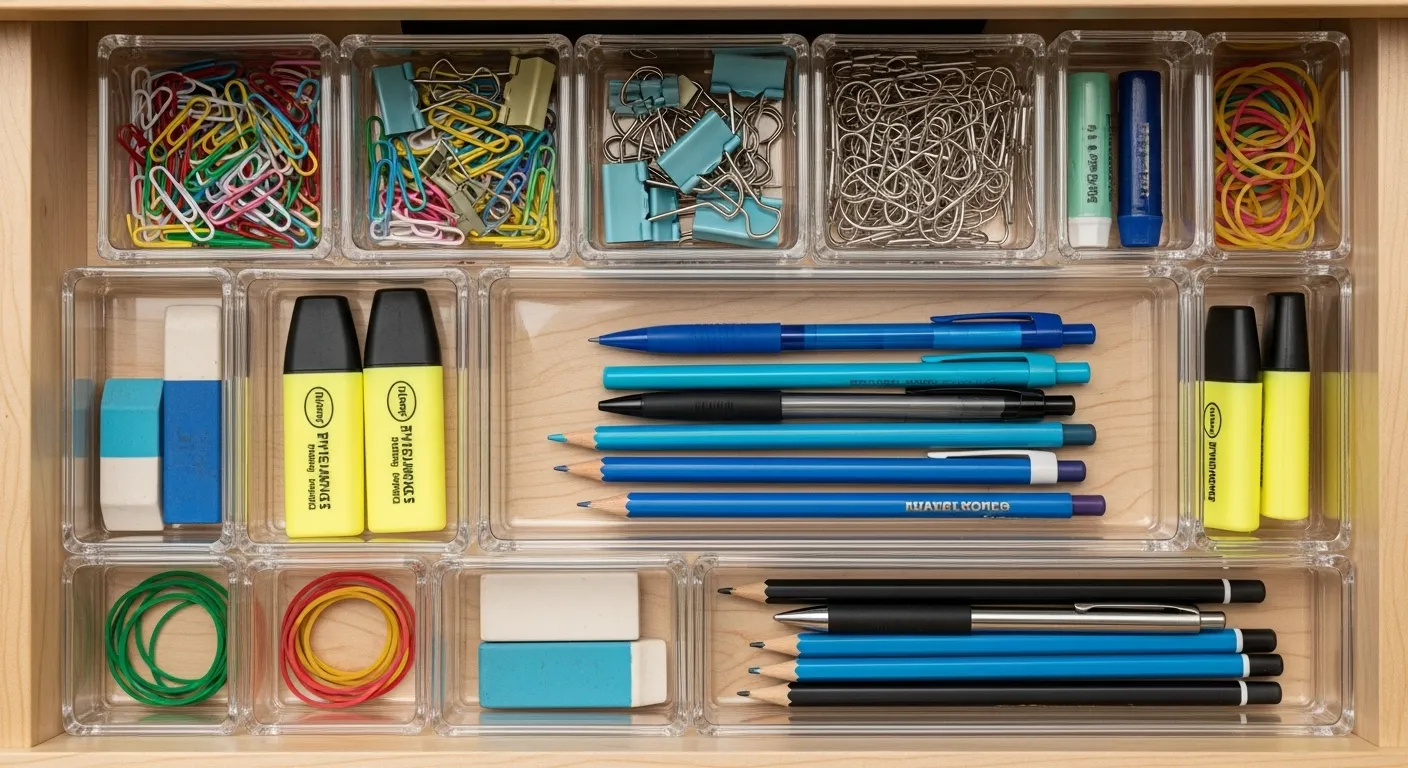
- Incorporate drawer organizers and shelf dividers to segment smaller items.
- Utilize under-bed storage for items that get used less frequently.
Transforming Challenges into Achievements
Implementing the three keys—decluttering, developing routines, and implementing systems—is not merely about making your home presentable; it’s about creating lasting changes that enhance your overall well-being. Many busy individuals struggle with organizational tasks due to time constraints and stress. By following these steps, you can overcome these common challenges:
Overcoming Clutter Anxiety
Clutter can be overwhelming. To manage clutter anxiety:
- View decluttering as a project. Tackle it from a fresh perspective.
- Celebrate small victories; every little bit you declutter adds to the whole.
Time Management Failures
If time management feels elusive, intensify your focus on routines:
- Track how you spend your time for a week. Adjust your blocking for maximum efficiency.
- Allow flexibility in your routines. Modify your schedule as needed without guilt.
Creating a Stress-Free Home Environment
A clutter-free environment leads to a clutter-free mind. To enhance this effect:
- Incorporate calming elements like plants or soft lighting in your space.
- Make organization a family effort. Get everyone involved to cultivate shared responsibility.
Finding Motivation to Stay Organized
Staying motivated can be one of the toughest challenges in maintaining organization. Here are some strategies to keep you motivated:
Visualize Your Goals
Picture what an organized space looks like, and how it would feel to live in it:
- Create a vision board or collect inspirational images that resonate with your organization dreams.
- Regularly remind yourself of the benefits of being organized, such as increased productivity and reduced stress.
Track Your Progress
Monitor your achievements to keep yourself accountable:
- Use checklists for daily tasks and long-term goals.
- Document before-and-after photos to see how far you’ve come, boosting confidence and motivation.
Engage with Community
Join local or online groups focused on organization and efficiency:
- Share your experiences and learn from others.
- Participate in challenges or workshops to deepen your skills and commitment.
By employing these keys to organization for success, you will find that your home transforms into a space that promotes relaxation and productivity. As you embark on your organizing journey, remember that small, consistent actions can lead to monumental changes. Take one step at a time, and soon, you’ll establish a harmonious environment that enhances your daily life.

Related Articles
Our Categories:
-
⭐ Organization & Practical Living: Seu guia fundamental para criar um lar funcional, implementar sistemas de eficiência e construir uma vida cotidiana mais organizada e livre de estresse.
-
🏠 Home Organization: Guias fundamentais e planos sistemáticos para organizar cada cômodo, garantindo um layout de casa eficiente e livre de desordem.
-
✨ Decluttering Tips: Estratégias acionáveis, conselhos de especialistas e métodos passo a passo para simplificar seu espaço, reduzir pertences e manter uma mentalidade minimalista.
-
🧼 Cleaning Routines: Checklists eficientes, truques de limpeza rápida e recomendações de produtos sustentáveis para manter uma casa limpa e brilhante sem estresse.
-
📦 Storage Solutions: Ideias criativas e práticas para maximizar cada centímetro de espaço, utilizando armazenamento vertical e investindo em recipientes inteligentes e funcionais.
-
🗺️ Room By Room Guides: Tutoriais detalhados e específicos, e checklists para organização profunda e estilo de áreas individuais como cozinha, quarto e hall de entrada.
-
💡 Daily Life Hacks: Dicas rápidas e inteligentes, e ajustes simples na rotina diária que economizam tempo, aumentam a energia e tornam a vida cotidiana mais fácil de gerenciar.
-
⏳ Time Management Basics: Métodos simples e técnicas fundamentais para planejar, priorizar tarefas, definir metas e implementar o time-blocking para maximizar a produtividade.
-
✅ Checklists And Planners: Modelos para impressão, ferramentas e sistemas para planejar refeições, manutenção doméstica, mudança e rastreamento de tarefas para manter a vida funcionando perfeitamente.

What Are the Three Keys to Organization for Success in Finance?
Understanding how to stay organized is essential for achieving success, especially in the finance niche. Many professionals struggle with managing their time, data, and resources effectively. By mastering three key elements—goal-setting, prioritization, and utilizing technology—you can position yourself for success. Whether you’re a financial advisor, accountant, or business owner, applying these principles can streamline your processes and enhance decision-making, ultimately leading to better results. Read on to discover how you can implement these strategies effectively.
Conclusion
In summary, the three keys to organization for success in the finance realm are setting clear goals, prioritizing tasks, and leveraging technology. By defining specific financial targets, you can maintain focus and motivation. Prioritizing tasks helps you allocate your time more effectively, ensuring that the most critical activities are addressed first. Finally, integrating technology into your strategies can simplify processes, boost efficiency, and improve accuracy in data management. Embracing these three keys not only enhances productivity but also positions you to achieve lasting success in your financial endeavors.
Frequently Asked Questions
What is the first key to organization for success?
The first key is goal-setting. Clear, measurable, and attainable goals help you maintain focus and direction in your financial career.
Why is prioritization important?
Prioritization is crucial because it allows you to allocate your time efficiently, ensuring that high-impact tasks are tackled first.
How can technology aid in financial organization?
Technology can automate repetitive tasks, manage data more accurately, and provide tools for tracking progress, all of which enhance overall organizational efficiency.
What are some tools I can use for organization?
- Project management software like Trello or Asana
- Financial tracking apps like Mint or QuickBooks
- Data analysis tools like Excel or Tableau
Can effective organization reduce stress in finance?
Yes, effective organization can significantly reduce stress by providing clarity, improving time management, and enhancing decision-making capabilities.
How often should I revisit my financial goals?
It’s advisable to review your financial goals at least quarterly to ensure they remain aligned with your changing circumstances and objectives.
What is the impact of poor organization on productivity?
Poor organization can lead to wasted time, increased errors, and missed deadlines, ultimately hindering overall productivity and success in finance.
What strategies can improve prioritization skills?
Strategies include creating a daily to-do list, categorizing tasks by urgency, and employing the Eisenhower Matrix to distinguish between important and non-important tasks.
Is it necessary to use software for organization?
While not essential, using software can significantly enhance organization through automation, better collaboration, and easier access to information.
How can I balance multiple financial projects?
To balance multiple projects, prioritize based on deadlines and importance, and break each project into manageable tasks to allocate your time effectively.
What role does time management play in organization?
Time management is integral to effective organization as it ensures that you allocate sufficient time to high-priority tasks, preventing last-minute rushes.
Can an organized workspace enhance focus?
Absolutely! An organized workspace minimizes distractions and enables clearer thinking, which enhances focus and productivity.
What is the best way to stay motivated while being organized?
Staying motivated can be achieved by regularly tracking your progress, celebrating small wins, and keeping your goals visible to remind yourself of the bigger picture.
How can I measure the success of my organizational strategies?
You can measure success by evaluating whether you’ve met your financial goals, improved efficiency, and reduced stress levels over time.