What are the 5 steps of organizing?
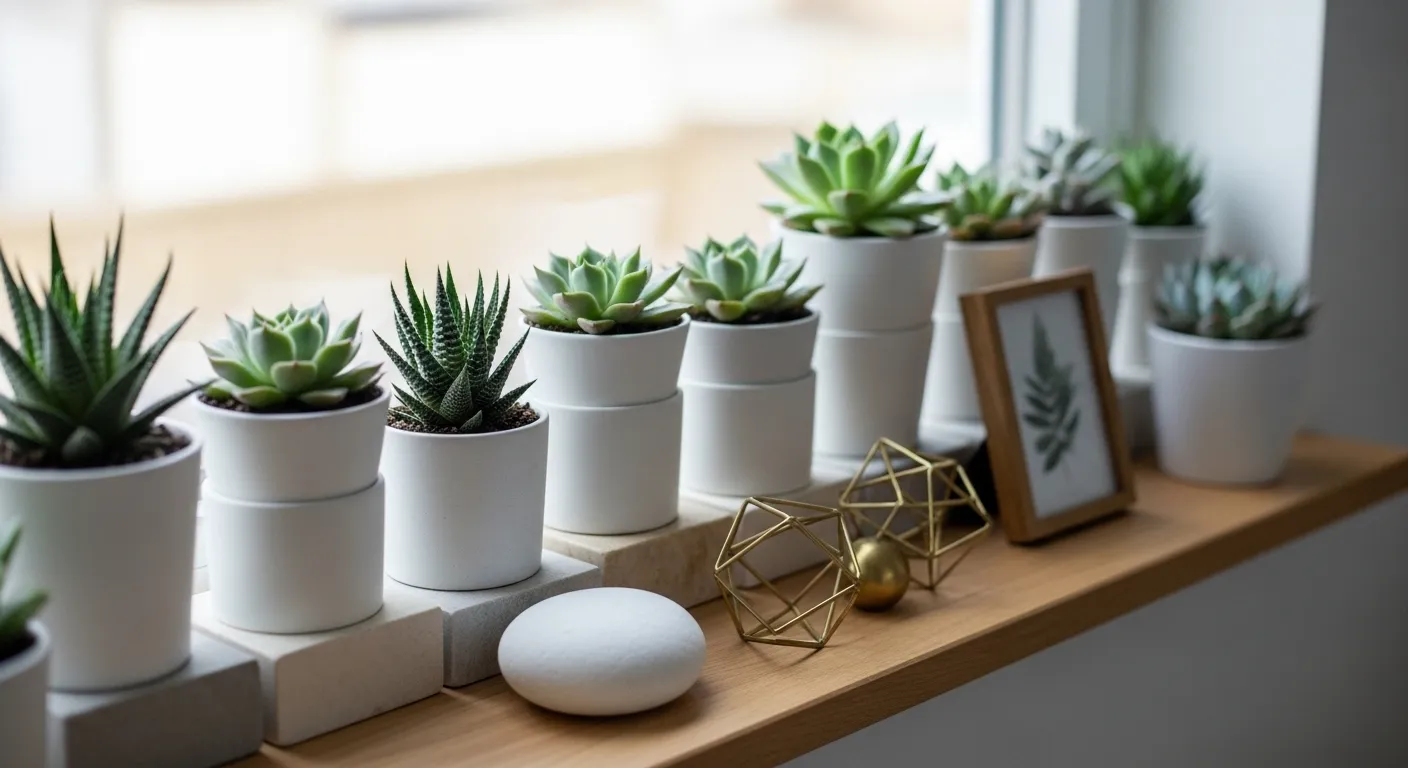
What are the 5 steps of organizing?
Organizing involves a systematic approach that can be distilled into five essential steps. First, identify the purpose of the organization, clarifying what needs to be achieved. Second, gather all relevant materials and information. Third, categorize items into logical groups to enhance accessibility. Fourth, create a structured layout or system that facilitates efficient retrieval and use. Finally, review and adjust the organization periodically to ensure it remains effective and aligned with evolving needs.
What are the 5 Steps of Organizing?
Understanding the Importance of Organizing
Organizing your home is more than just decluttering; it’s about creating a space that supports your lifestyle and reduces stress. When you follow a structured organizing process, you’ll not only find what you need quickly, but you’ll also foster a calm and efficient home environment. Let’s explore the 5 steps of organizing that can lead you to a more organized and peaceful living space.
Step 1: Assess Your Space
The first step in the decluttering process is to assess the areas that need attention. Take a moment to evaluate the space and recognize where clutter accumulates, whether it’s your kitchen, living room, or workspace.
- Identify Problem Areas: Look for spots that consistently collect items, such as counters, desks, or closets.
- Reflect on Usage: Consider how often you use each item in the space. If an item hasn’t been used in the past year, it might be time to consider letting it go.
- Take Notes: Jot down your observations. This not only prepares you for the next steps but also helps maintain your focus during the organization process.
Step 2: Sort Your Items
Now that you have assessed your space, it’s time to dive into sorting. This step often feels overwhelming, but breaking it down can make it manageable.
- Create Categories: Start by gathering similar items. For example, group clothes, books, or kitchen utensils together.
- Use a “4-Box Method”: Prepare four boxes labeled Keep, Donate, Recycle, and Trash. This method helps you make clear decisions on what to do with each item.
- Let Go of Guilt: It’s natural to feel guilty about getting rid of items, but remember, space is valuable. If something doesn’t add value to your life, it’s okay to let it go.
Step 3: Organize Your Keepers
After sorting, you’ll have a clearer picture of what to keep. This is where you’ll create systems to store and display these items effectively.
- Choose Storage Solutions: Invest in bins, baskets, or shelves that fit your space. Consider clear containers for visibility and easy access.
- Prioritize Accessibility: Place frequently used items in easily reachable spots while reserving higher shelves for less-used items.
- Implement Zones: Create designated areas for specific activities, such as a reading corner or a crafting station. This promotes efficiency in your daily routines.
Step 4: Establish a Cleaning Routine
Once you’ve organized your items, it’s essential to set up a cleaning routine to maintain the order you’ve created.
- Daily Tasks: Aim for small daily tasks, like making your bed or tidying up after meals. These small habits significantly reduce clutter over time.
- Weekly Deep Cleaning: Designate one day a week for deep cleaning different areas of your home. Incorporate methods such as time blocking to ensure you allocate time specifically for these tasks.
- Monthly Check-ins: Schedule monthly evaluations of your space to address any clutter that may have re-accumulated. This helps keep areas organized in the long run.
Step 5: Review and Adjust
The final step involves self-reflection on your organizing systems. As you live in your newly organized space, it’s important to check in with yourself regularly.
- Evaluate Your System: Ask yourself, “Is this system working for me?” If not, don’t hesitate to make adjustments.
- Stay Flexible: Life changes, and so do your organizational needs. Be ready to shift your systems based on new activities or family dynamics.
- Celebrate Progress: Acknowledge the changes you’ve made, no matter how small. Celebrating small victories can boost motivation.
Overcoming Common Challenges
While these 5 steps can guide you toward an organized home, it’s essential to recognize common challenges that might arise during this journey.
- Time Constraints: Life gets busy, and finding time can be a challenge. Break tasks into smaller, manageable pieces and designate specific days for organization.
- Emotional Attachment: Letting go of items can be tough. Try to focus on the space and peace of mind that an organized home can bring instead of the item itself.
- Accountability: Involving friends or family can provide support and motivate you to stick with your plans. Consider hosting an organizing day together!
Simple Tools for Organizing Success
Incorporating the right tools can significantly enhance your organizing process. Here are some useful tools and resources:
- Planners: Use checklists or planners to schedule your organizing tasks and stay on track.
- Apps: Consider using organizing apps that assist with decluttering and remind you of your cleaning routines.
- Labels: Labeling bins and shelves can eliminate confusion about where things belong and simplifies the maintenance of your systems.
Finding Your Organizing Style
Everyone has different preferences when it comes to organizing. Identify what style resonates with you:
- Minimalism: If you embrace a minimalist lifestyle, focus on only keeping items that fulfill a purpose or bring joy.
- Functional: A more functional approach emphasizes practicality and ease of access, allowing you to keep items in designated zones.
- Aesthetic: Combine organization with aesthetics by arranging your items in visually pleasing ways, such as color-coding or decorative storage solutions.
Embracing a Stress-Free Home
Remember, the goal of organizing is to create a living space that promotes a sense of peace and functionality. By actively engaging with the 5 steps of organizing, you’re investing time in your well-being and happiness.
Through consistent practice of these steps and maintaining a routine, you will develop a home environment that reduces clutter and enhances your daily life. Embrace the process and remember: every small effort counts!

Related Articles
Our Categories:
-
⭐ Organization & Practical Living: Seu guia fundamental para criar um lar funcional, implementar sistemas de eficiência e construir uma vida cotidiana mais organizada e livre de estresse.
-
🏠 Home Organization: Guias fundamentais e planos sistemáticos para organizar cada cômodo, garantindo um layout de casa eficiente e livre de desordem.
-
✨ Decluttering Tips: Estratégias acionáveis, conselhos de especialistas e métodos passo a passo para simplificar seu espaço, reduzir pertences e manter uma mentalidade minimalista.
-
🧼 Cleaning Routines: Checklists eficientes, truques de limpeza rápida e recomendações de produtos sustentáveis para manter uma casa limpa e brilhante sem estresse.
-
📦 Storage Solutions: Ideias criativas e práticas para maximizar cada centímetro de espaço, utilizando armazenamento vertical e investindo em recipientes inteligentes e funcionais.
-
🗺️ Room By Room Guides: Tutoriais detalhados e específicos, e checklists para organização profunda e estilo de áreas individuais como cozinha, quarto e hall de entrada.
-
💡 Daily Life Hacks: Dicas rápidas e inteligentes, e ajustes simples na rotina diária que economizam tempo, aumentam a energia e tornam a vida cotidiana mais fácil de gerenciar.
-
⏳ Time Management Basics: Métodos simples e técnicas fundamentais para planejar, priorizar tarefas, definir metas e implementar o time-blocking para maximizar a produtividade.
-
✅ Checklists And Planners: Modelos para impressão, ferramentas e sistemas para planejar refeições, manutenção doméstica, mudança e rastreamento de tarefas para manter a vida funcionando perfeitamente.

What Are the 5 Steps of Organizing?
In today’s fast-paced financial world, effective organization can be your greatest ally. By mastering the five steps of organizing, you can streamline your financial processes, boost productivity, and enhance decision-making. Whether you’re managing personal finances or running a small business, these principles can lead to better financial health and efficiency. Here’s a closer look at these steps and how they can help you reach your financial goals.
1. Identify Your Goals
Start by clearly defining what you want to achieve financially. This could involve saving for retirement, paying off debt, or investing in real estate. Make sure your goals are specific, measurable, achievable, relevant, and time-bound (SMART).
2. Gather Information
Collect all relevant financial documents like bank statements, investment accounts, and loan information. Knowing where you stand is crucial for organizing your finances effectively.
3. Create a System
Establish a system for maintaining your financial records. This can be digital or physical. Organize documents by category, such as income, expenses, and investments to make retrieval easier.
4. Prioritize Tasks
Decide which tasks require your immediate attention—this could include budgeting or reallocating funds. Focus on high-impact areas first, such as paying off high-interest debt.
5. Review and Adjust
Regularly assess your financial plans and strategies. Adapt to changes in your financial situation or goals to ensure ongoing effectiveness. A periodic financial check-up can keep you on track towards achieving your aspirations.
Conclusion
Implementing these five steps of organizing not only streamlines your financial processes but also empowers you to take charge of your financial future. By clearly identifying your goals, gathering necessary information, creating a systematic approach, prioritizing tasks, and conducting regular reviews, you can enhance your overall financial health. This proactive approach can lead to increased savings, decreased stress, and improved financial stability. Start your journey towards better organization today, and watch your financial confidence soar.
Frequently Asked Questions
What are the 5 steps of organizing?
The five steps are: 1) Identify Your Goals, 2) Gather Information, 3) Create a System, 4) Prioritize Tasks, and 5) Review and Adjust. These steps help in creating a structured approach to financial management.
How can I identify my financial goals?
Start by reflecting on what you desire—saving for retirement, buying a house, or funding education. Make sure your goals are specific and achievable.
What documents should I gather for organizing finances?
Gather bank statements, tax returns, investment records, loan agreements, and expenses tracking to have a clear view of your financial situation.
Should I use digital or physical systems for organizing?
It depends on your preference. Digital systems offer accessibility and easy backup, while physical systems can be easier for some to manage.
How often should I review my financial plan?
It’s recommended to review your financial plan at least quarterly or whenever there’s a significant change in your financial situation.
Can prioritizing tasks really make a difference?
Yes, prioritizing helps focus your energies on what is most impactful, such as paying off high-interest debts or investing wisely.
What tools can help me organize my finances?
Consider using budgeting apps, spreadsheets, or financial management software to track income, expenses, and investments effectively.
How do I create a budgeting system?
Start by listing your income sources, then categorize and estimate your monthly expenses. Allocate funds according to priorities and adjust as necessary.
What if my financial goals change?
Adapting your financial goals is a normal part of managing your finances. Regularly review and realign your plans as needed.
Is it necessary to hire a financial advisor?
While not necessary, a financial advisor can offer expertise, especially for complex financial situations or investment decisions.
How can I make organizing fun?
Set small milestones, reward yourself when you achieve your goals, and involve family members to make it a collaborative effort.
Can organizing help save money?
Absolutely! A structured financial approach minimizes unnecessary spending and maximizes savings potential.
What is the impact of poor organization on finances?
Poor organization can lead to missed payments, higher expenses, and difficulty tracking progress, which hinders financial growth and peace of mind.
How can I stick to my organizing plan?
Regularly set reminders, establish routines, and stay motivated by tracking your progress and celebrating successes.
What resources are available for learning about financial organization?
Books, online courses, blogs, and financial podcasts are excellent resources for learning effective financial organizing strategies.