What are the different zones in a bathroom?
What are the different zones in a bathroom?
Bathrooms are typically divided into three distinct zones to ensure safety and functionality. The “Wet Zone” encompasses areas prone to water exposure, such as the shower and bathtub. The “Dry Zone” includes elements that are less likely to come into contact with water, such as countertops and storage. Lastly, the “Transition Zone” serves as a buffer between the wet and dry areas, usually comprising flooring and walls designed to manage moisture and enhance safety.
What are the different zones in a bathroom?
Understanding the Bathroom Layout: Key Zones
The bathroom, often seen as a sanctuary for personal care, can easily become cluttered and chaotic without a solid system in place. By understanding the different zones within your bathroom, you can develop a structure that maximizes efficiency and minimizes stress. Here’s how to break down the bathroom into manageable areas:
The Vanity Zone
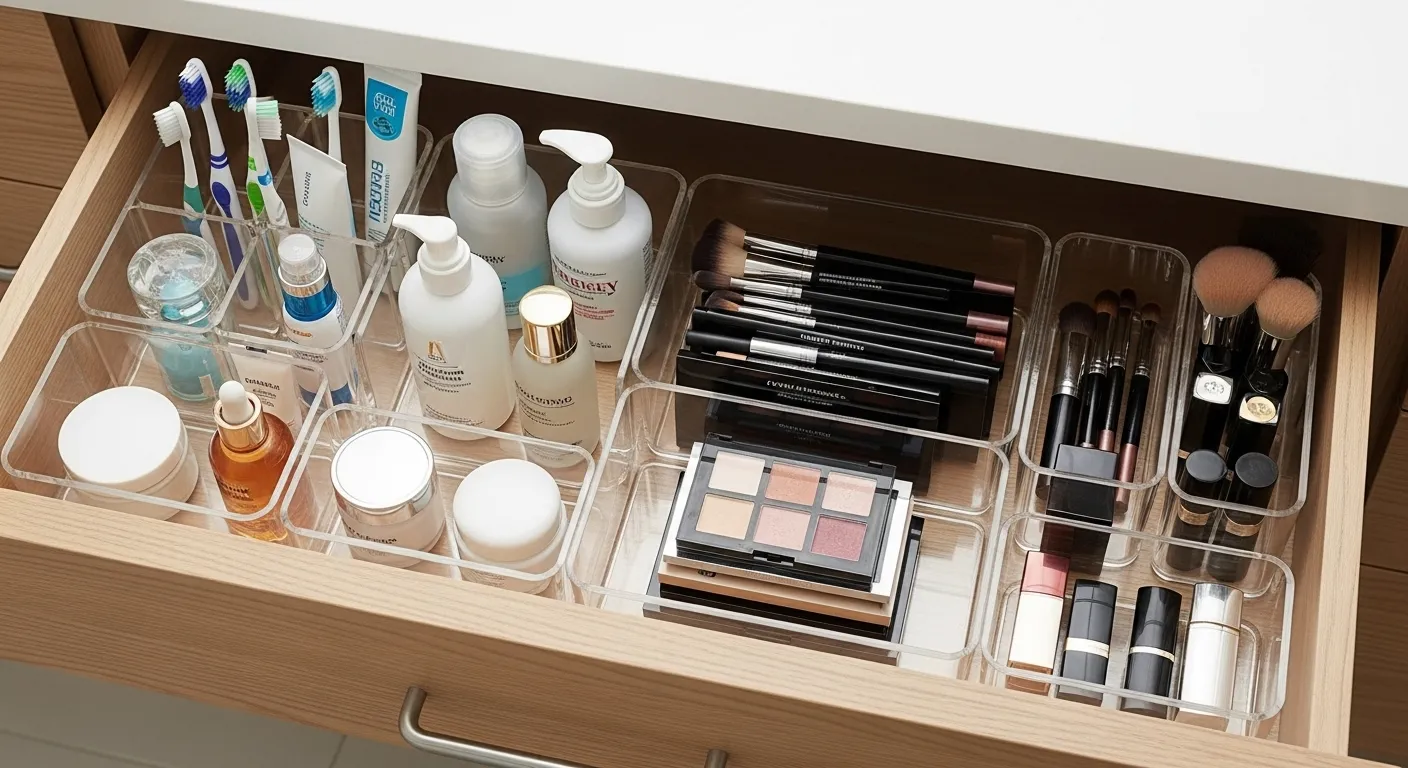
The vanity zone is the hub of any bathroom, where daily routines typically begin and end. This area is where you’ll find sinks, mirrors, and storage for personal hygiene items. An organized vanity can save time during your morning routine and provide a calmer environment.
- Declutter Regularly: Set a schedule to purge expired products and items you no longer use.
- Maximize Bathroom Storage: Use trays or organizers to compartmentalize items like toothbrushes, makeup, and skincare products.
- Utilize Vertical Space: Consider shelves above the sink for items used less frequently.
The Shower/Bathing Zone
Designating a zone specifically for showering and bathing helps maintain cleanliness and organization in your bathroom. This area tends to collect products quickly, so it’s important to keep it in order.
- Organize Shower Caddies: Use a shower caddy to keep shampoo, conditioner, and body wash within reach and neatly arranged.
- Limit Product Choices: Keep only what you use regularly in the shower and store the rest elsewhere.
- Establish a Cleaning Routine: Schedule regular cleanings for tiles and fixtures to prevent buildup of soap scum.
The Toilet Zone
The toilet zone often is overlooked in bathroom organization. However, keeping this area clean and organized is essential for both hygiene and comfort.
- Storage Solutions: Install a small shelf or cabinet above the toilet to store extra toilet paper and cleaning supplies.
- Use Baskets: Designate a basket for bathroom cleaning supplies to keep everything organized and out of sight.
- Keep It Clean: Incorporate a quick cleaning routine into your weekly schedule to maintain hygiene in this crucial area.
The Linen Zone
The linen zone is where towels, bathrobes, and other textiles are stored. An organized linen zone ensures that these essentials are easily accessible and contribute to a tidy bathroom environment.
- Fold and Organize Towels: Use a shelving unit to display neatly folded towels by size and color.
- Rotate Items: Keep the most-used items at eye level for easy access.
- Utilize Hooks: Install hooks for bathrobes and frequently used towels to keep them off the floor.
The Storage Zone
Effective bathroom organization hinges on creating a designated storage zone for items that don’t fit elsewhere. This can include cleaning supplies, extra toiletries, and more.
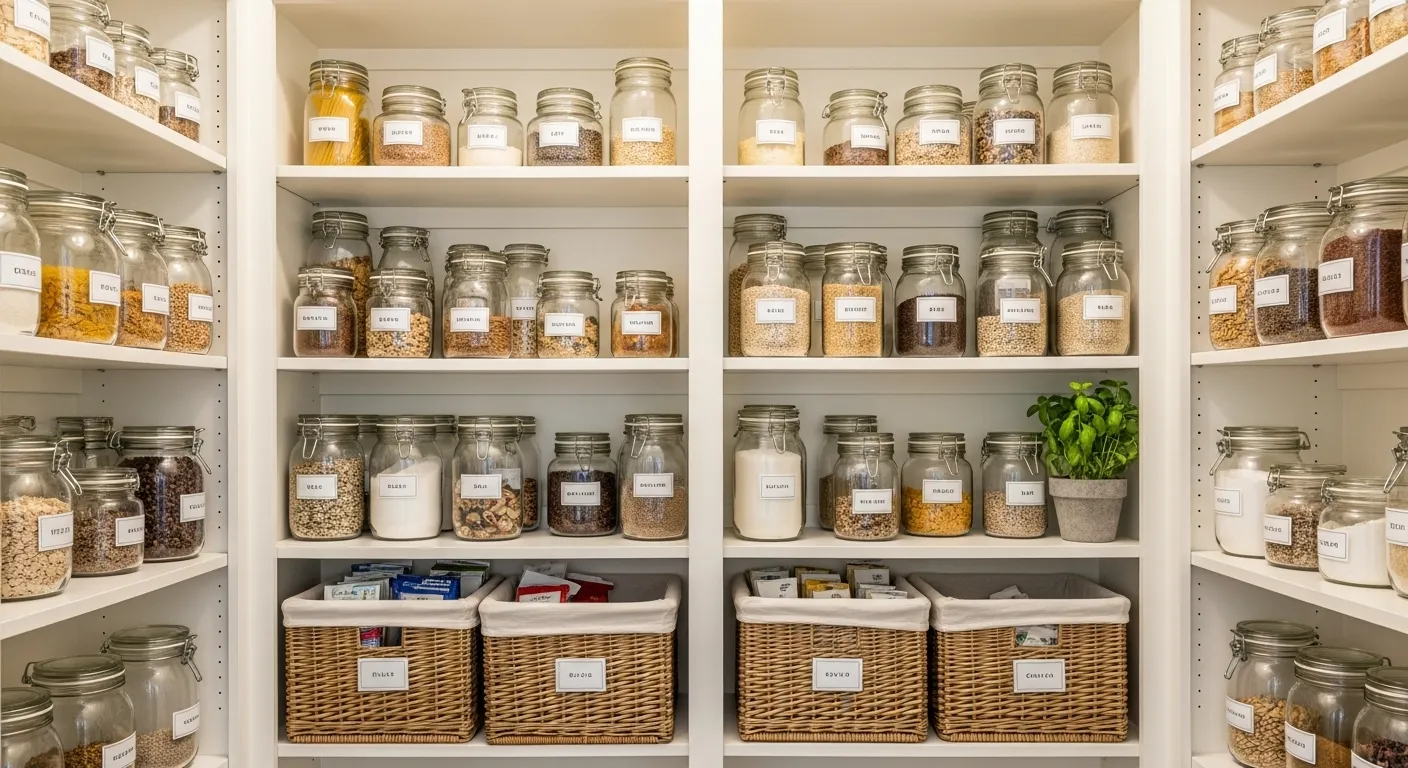
- Choose Clear Containers: Use clear bins to easily see what’s stored inside, preventing unnecessary purchases.
- Label Everything: Label drawers and shelves to ensure everyone in the household knows where things belong.
- Revise and Adapt: Routine assessments of your storage area will ensure it continues to meet your needs as your household changes.
The Decorative Zone
A decorative zone enhances the aesthetic of your bathroom and can contribute to your overall peaceful experience. Consider this a way to showcase personal touches without cluttering your space.
- Limit Your Decor: Choose a few key decorative items that reflect your style without overwhelming the space.
- Incorporate Plants: Adding greenery can create a calming atmosphere while purifying the air.
- Use Functional Decor: Consider using decorative baskets or jars that also serve a functional purpose, like storage.
Time Management in Your Bathroom Zone
Incorporating time management strategies into your bathroom routine can help you maximize both efficiency and serenity.
- Time Blocking: Allocate specific times for tasks such as cleaning, organizing, and self-care.
- Quick Clean-ups: Designate a few minutes each day for a quick tidy-up to prevent clutter from accumulating.
- Involve the Family: Share responsibilities with family members to make maintenance easier and create an atmosphere of shared ownership.
Checklist for an Organized Bathroom
Creating a checklist can help ensure that each zone of your bathroom is regularly maintained and organized. Here’s a useful checklist to keep you on track:
- Daily Tasks:
- Wipe down counters and sinks.
- Quickly tidy personal items.
- Ensure towels are hung neatly.
- Weekly Tasks:
- Thorough toilet cleaning.
- Empty waste bins and replace liners.
- Restock toiletries as needed.
- Monthly Tasks:
- Declutter vanity and shower areas.
- Wash towels and bath mats.
- Check for expired products and dispose of them.
Conclusion
With an understanding of the various zones in your bathroom, you can create a practical organizational system that supports your daily routines and promotes a stress-free living environment. Embrace each area with intention, and you’ll find that maintaining an organized bathroom becomes an achievable goal rather than a daunting task.

Related Articles
Our Categories:
-
⭐ Organization & Practical Living: Seu guia fundamental para criar um lar funcional, implementar sistemas de eficiência e construir uma vida cotidiana mais organizada e livre de estresse.
-
🏠 Home Organization: Guias fundamentais e planos sistemáticos para organizar cada cômodo, garantindo um layout de casa eficiente e livre de desordem.
-
✨ Decluttering Tips: Estratégias acionáveis, conselhos de especialistas e métodos passo a passo para simplificar seu espaço, reduzir pertences e manter uma mentalidade minimalista.
-
🧼 Cleaning Routines: Checklists eficientes, truques de limpeza rápida e recomendações de produtos sustentáveis para manter uma casa limpa e brilhante sem estresse.
-
📦 Storage Solutions: Ideias criativas e práticas para maximizar cada centímetro de espaço, utilizando armazenamento vertical e investindo em recipientes inteligentes e funcionais.
-
🗺️ Room By Room Guides: Tutoriais detalhados e específicos, e checklists para organização profunda e estilo de áreas individuais como cozinha, quarto e hall de entrada.
-
💡 Daily Life Hacks: Dicas rápidas e inteligentes, e ajustes simples na rotina diária que economizam tempo, aumentam a energia e tornam a vida cotidiana mais fácil de gerenciar.
-
⏳ Time Management Basics: Métodos simples e técnicas fundamentais para planejar, priorizar tarefas, definir metas e implementar o time-blocking para maximizar a produtividade.
-
✅ Checklists And Planners: Modelos para impressão, ferramentas e sistemas para planejar refeições, manutenção doméstica, mudança e rastreamento de tarefas para manter a vida funcionando perfeitamente.

What Are the Different Zones in a Bathroom?
Understanding the various zones in a bathroom is vital for both functionality and aesthetics. By organizing your space according to these zones, you can maximize comfort and enhance the value of your home. Whether planning a remodel or just curious, knowing these areas helps achieve a well-designed bathroom, which can also be a great selling point if you’re looking to enter the housing market. Let’s delve into these essential zones.
Zones in a Bathroom
- Wet Zone: This includes the shower, bathtub, and sometimes the toilet. It’s crucial for managing moisture and ensuring safety.
- Dry Zone: Typically consists of the sink and storage areas, where you keep your toiletries and towels.
- Utility Zone: This area may house the laundry or linen cabinets and should be easily accessible.
Conclusion
In conclusion, effectively identifying and organizing the different zones in your bathroom can significantly enhance its functionality and appeal. By thoughtfully planning the wet, dry, and utility zones, not only will you improve the overall experience in your bathroom, but you can also increase your home’s market value. Investing in quality fixtures and organization solutions tailored to these zones can make a considerable difference, making your bathroom a true oasis.
Frequently Asked Questions
What is the wet zone in a bathroom?
The wet zone includes fixtures that generate water, such as the shower, bathtub, and sometimes the toilet. Proper ventilation is essential here to prevent mold and moisture issues.
Why is the dry zone important?
The dry zone consists of areas where water is not present, such as the sink and storage. It’s essential for maintaining hygiene and organization, preventing clutter.
What is a utility zone in a bathroom?
The utility zone may contain laundry facilities or linen closets. It should be positioned for easy access while ensuring it does not interfere with the bathroom’s main areas.
How can I improve my bathroom’s wet zone?
Consider using slip-resistant materials and proper drainage systems, along with good lighting and thoughtful storage solutions to enhance the wet zone’s functionality and safety.
What storage solutions work best for the dry zone?
Floating shelves, cabinetry, and drawer organizers are excellent options for the dry zone, helping to keep toiletries and essentials neatly arranged and accessible.
How does zoning affect bathroom design?
Proper zoning in bathroom design maximizes space utilization, ensures comfort, and enhances the user experience by creating dedicated areas for specific activities.
What materials are best for the wet zone?
Durable and water-resistant materials like ceramic tile, vinyl, and natural stone are ideal for the wet zone, as they can withstand moisture and are easy to clean.
Can I integrate a laundry space into my bathroom?
Yes, integrating laundry facilities can be practical, especially in smaller homes. Ensure you have proper plumbing and ventilation for this setup.
What are the best lighting options for the dry zone?
Wall sconces, recessed lights, and vanity lighting work well in the dry zone, providing ample illumination for grooming tasks while adding to the ambiance.
Is it essential to separate the zones?
Yes, separating zones helps optimize functionality and safety, especially in wet areas, minimizing hazards such as slips and maximizing efficiency.
What style trends should I consider for a bathroom?
Popular trends include minimalistic designs, spa-like atmospheres, and eco-friendly fixtures. Choosing a cohesive style can enhance both beauty and resale value.
How can I make my small bathroom feel more spacious?
Using light colors, mirrors, and wall-mounted storage can create an illusion of space, making a small bathroom feel larger and more open.
What should I consider when selecting fixtures?
Opt for high-quality, water-efficient fixtures that align with your style and meet your bathroom’s zoning needs. Consider durability and ease of maintenance.
How does bathroom organization impact resale value?
A well-organized bathroom not only enhances user experience but also boosts curb appeal, making your home more attractive to potential buyers during resale.
Can I make my bathroom eco-friendly?
Yes! Invest in water-saving fixtures, use sustainable materials, and incorporate natural lighting to reduce your bathroom’s environmental impact.
What’s the best way to maintain a balanced design across zones?
Cohesive color schemes, unified materials, and consistent finishes help create a harmonious look across all bathroom zones, contributing to overall appeal.