What is the 30 second rule for decluttering?
What is the 30 second rule for decluttering?
The 30-second rule for decluttering is a practical strategy designed to streamline the tidying process. It suggests that if a task can be completed in 30 seconds or less—such as putting away an item or organizing a small area—it should be done immediately, rather than postponed. This approach not only promotes a clutter-free environment but also helps develop efficient habits, ultimately reducing the time and effort needed for extensive decluttering sessions in the future.
What is the 30 Second Rule for Decluttering?
Understanding the 30 Second Rule
The 30 Second Rule is a simple yet effective approach to decluttering your home. The premise is straightforward: whenever you notice something out of place or unnecessary, if it will take you 30 seconds or less to deal with it, do it right away. This method is particularly useful for those who feel overwhelmed by clutter, as it provides a quick and efficient way to maintain an organized environment without dedicating large blocks of time.
The Benefits of the 30 Second Rule
Implementing the 30 Second Rule into your daily life can have numerous benefits:
- Reduces Clutter: Tackling small tasks immediately prevents them from accumulating into larger, more daunting jobs.
- Encourages Discipline: Regularly applying this rule fosters a habit of tidying up and being proactive about organization.
- Stress Reduction: A cleaner, more organized space leads to a calmer mind and less stress.
- Time Management: This practice helps you take control of your time by minimizing distractions and creating an efficient home environment.
How to Apply the 30 Second Rule
Putting the 30 Second Rule into practice is easier than you might think. Here’s a step-by-step guide to help you get started:
1. Identify Quick Tasks
Look around your home and identify tasks that take 30 seconds or less. Common examples include:
- Putting a dish in the dishwasher.
- Hanging up a coat.
- Throwing away trash.
- Returning a book to the shelf.
2. Make a Habit of It
Whenever you encounter a small task, resist the urge to put it off. Instead, take those precious 30 seconds to complete it. Consistency is key; the more you practice this, the more second nature it will become.
3. Create a Clutter-Free Zone
Designate a specific area in your home as a clutter-free zone, which serves as a reminder to apply the 30 Second Rule regularly. Each time you walk through this zone, take note of any tasks that need your attention.
4. Use Timers for Focus
Setting a timer for 30 seconds can make this exercise feel more engaging and game-like. Challenge yourself to see how many tasks you can complete in that short time.
5. Engage Family Members
Encourage everyone in your household to embrace the 30 Second Rule. Create a fun challenge to see who can complete the most tasks in a week, transforming decluttering into a team effort.
Common Challenges and How to Overcome Them
Implementing the 30 Second Rule may come with some challenges. Here’s how you can tackle them:
1. Feeling Overwhelmed
If you feel overwhelmed by clutter, focus on one small area or room at a time. Start with your desk, a single shelf, or a corner of a room. Breaking tasks into smaller chunks can make them feel more manageable.
2. Forgetting to Apply the Rule
To remember to use the 30 Second Rule, place reminders in strategic locations, such as on your fridge, bathroom mirror, or workspace. You might also consider setting a daily alarm to remind you to spend a few moments decluttering.
3. Procrastination
Procrastination can be a significant barrier. Combat this by setting aside specific times each day dedicated to decluttering, no matter how small the task. Pair this with a reward system to enhance motivation.
Adapting the 30 Second Rule to Different Rooms
Applying the 30 Second Rule can look different in various rooms. Here’s how to tailor it for each space:
1. Living Room
In your living room, focus on tasks like:
- Picking up stray items (toys, shoes, magazines).
- Fluffing pillows and straightening blankets.
- Emptying ashtrays or snack plates.
2. Kitchen
In the kitchen, tasks might include:
- Wiping down countertop spills.
- Putting away utensils or dishes.
- Sorting mail or emptying the trash.
3. Bedroom
In your bedroom, try to:
- Make your bed each morning.
- Put away clothes that are out of place.
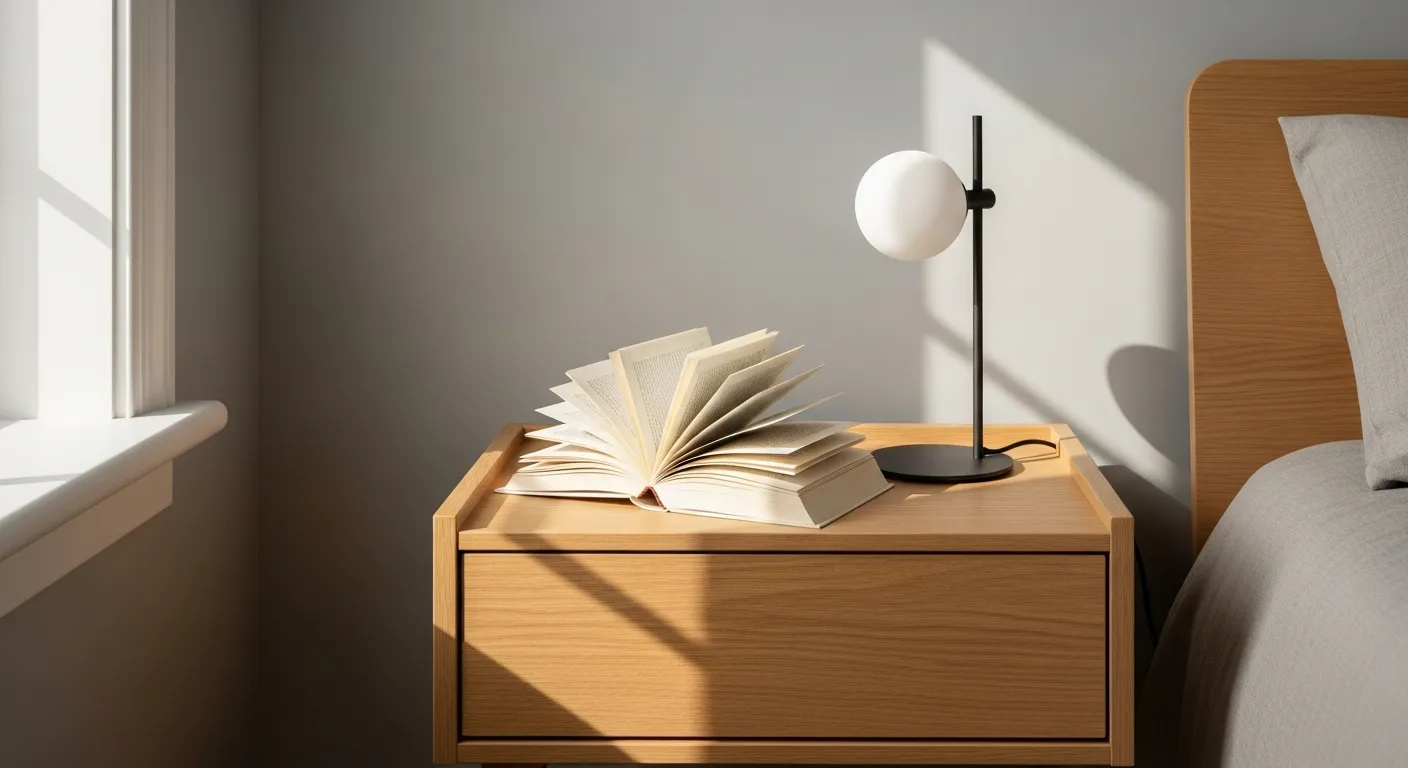
- Organize small items on your nightstand.
4. Bathroom
In the bathroom, utilize the rule for:
- Picking up toiletries.
- Wiping down mirrors and counters.
- Refilling soap dispensers.
Enhanced Tips for Successful Decluttering
Beyond the 30 Second Rule, consider these additional strategies to enhance your decluttering efforts:
1. Time Blocking
Incorporate time blocking into your routine. Specify short intervals each day dedicated to quick decluttering tasks on top of the 30 Second Rule, ensuring you remain organized without overwhelming yourself.
2. Visual Reminders
Utilize visual cues like sticky notes or decluttering calendars to keep your goals front and center. Placing them in high-traffic areas can remind everyone in the household to apply the 30 Second Rule regularly.
3. Digital Decluttering
Don’t forget about your digital clutter. Apply the same principle by reviewing your email inbox or digital files and organizing them in 30 seconds or less when the opportunity arises.
4. Reward Yourself
Setting up a reward system for using the 30 Second Rule can be motivating. Treat yourself to something enjoyable for each set of tasks completed—a small incentive can go a long way in building good decluttering habits.
Celebrating Your Progress
As you implement the 30 Second Rule, take time to recognize your accomplishments. Decluttering is a journey, and celebrating small victories can help you stay motivated along the way. Document your journey with before-and-after photos or notes about how your space feels. Reflecting on progress is a wonderful way to stay inspired to keep decluttering.
The 30 Second Rule is an easy, actionable tool that can significantly impact your life and environment. By embracing this rule, you create a less cluttered, more stress-free home, enhancing both your physical space and mental wellbeing. So, let’s start noticing those quick tasks and take action—30 seconds at a time!

Related Articles
Our Categories:
-
⭐ Organization & Practical Living: Seu guia fundamental para criar um lar funcional, implementar sistemas de eficiência e construir uma vida cotidiana mais organizada e livre de estresse.
-
🏠 Home Organization: Guias fundamentais e planos sistemáticos para organizar cada cômodo, garantindo um layout de casa eficiente e livre de desordem.
-
✨ Decluttering Tips: Estratégias acionáveis, conselhos de especialistas e métodos passo a passo para simplificar seu espaço, reduzir pertences e manter uma mentalidade minimalista.
-
🧼 Cleaning Routines: Checklists eficientes, truques de limpeza rápida e recomendações de produtos sustentáveis para manter uma casa limpa e brilhante sem estresse.
-
📦 Storage Solutions: Ideias criativas e práticas para maximizar cada centímetro de espaço, utilizando armazenamento vertical e investindo em recipientes inteligentes e funcionais.
-
🗺️ Room By Room Guides: Tutoriais detalhados e específicos, e checklists para organização profunda e estilo de áreas individuais como cozinha, quarto e hall de entrada.
-
💡 Daily Life Hacks: Dicas rápidas e inteligentes, e ajustes simples na rotina diária que economizam tempo, aumentam a energia e tornam a vida cotidiana mais fácil de gerenciar.
-
⏳ Time Management Basics: Métodos simples e técnicas fundamentais para planejar, priorizar tarefas, definir metas e implementar o time-blocking para maximizar a produtividade.
-
✅ Checklists And Planners: Modelos para impressão, ferramentas e sistemas para planejar refeições, manutenção doméstica, mudança e rastreamento de tarefas para manter a vida funcionando perfeitamente.

In today’s fast-paced world, decluttering isn’t just about tidying up; it’s a lifestyle choice that reflects our financial priorities and mental clarity. The 30-second rule for decluttering serves as a practical guideline that helps busy individuals embrace simplicity while ensuring their financial health. This approach emphasizes quick decision-making, helping you evaluate whether to keep, donate, or discard items without overthinking, ultimately leading to a more organized and financially savvy life.
What is the 30-Second Rule?
The 30-second rule suggests that when you notice an item you no longer use or need, you should take no more than 30 seconds to decide its fate. This prevents indecision and helps you take immediate action.
Benefits of the 30-Second Rule
- Increased Efficiency: Quick decisions save time.
- Reduced Stress: Helps alleviate anxiety related to clutter.
- Enhanced Financial Awareness: Promotes thoughtful purchases.
Conclusion
By applying the 30-second rule for decluttering, not only can you create a more organized space, but you also cultivate a mindset that influences your financial decisions positively. This streamlined approach aids in reducing impulse buys and encourages smarter spending habits. Embracing this technique can empower you to live with intention, ensuring that every item you own holds value in your life and finances. Remember, a decluttered space often leads to a decluttered mind, allowing you to focus on what truly matters.
FAQ
What is the origin of the 30-second rule?
The 30-second rule gained popularity through organizational experts who emphasize quick decision-making in decluttering practices and minimizing procrastination.
How can I implement the 30-second rule effectively?
Start by identifying problem areas, set a timer for 30 seconds, and make decisions on items based on your immediate response.
Do I need to feel guilty when getting rid of items?
No, decluttering is about making space for what serves you. Letting go can be freeing and beneficial.
How does decluttering affect my finances?
It encourages mindful purchasing, reduces wasteful spending, and can ultimately save money by avoiding duplicate purchases.
Can the 30-second rule be applied in other areas of life?
Absolutely! You can use this approach in decision-making processes, time management, and even financial planning.
What kind of items should I declutter first?
Start with items that are easy to part with, such as clothes you haven’t worn in a year or expired products.
How can I motivate myself to declutter?
Visualize your ideal, organized space and the financial freedom it can bring to inspire you.
Is decluttering a one-time project?
Not typically; it should be ongoing, incorporating regular reviews of items to prevent accumulation.
Can the 30-second rule create negative feelings about belongings?
It may at first, but focusing on the benefits of space and clarity can help shift your perspective positively.
What if I struggle to make quick decisions?
Practice by starting small—perhaps with low-stakes items like kitchen supplies or old magazines.
How can I involve my family in decluttering?
Engage them in discussions about the benefits of decluttering, making it a family activity to foster teamwork.
Are there apps to help with decluttering?
Yes, many organizational apps can assist you in tracking items and managing your decluttering schedule effectively.
How often should I implement the 30-second rule?
As often as you notice clutter—try to make it a daily habit.
Could decluttering affect my mental health?
Many find that decluttering can reduce stress and improve mental clarity, contributing to overall well-being.
What’s a good follow-up after decluttering?
Evaluate your purchasing habits to maintain your new, uncluttered space and rein in unnecessary spending.