How do I arrange my house?

How do I arrange my house?
To effectively arrange your house, start by decluttering each space, removing items that no longer serve a purpose. Categorize belongings into keep, donate, or discard piles. Next, establish a functional layout by considering traffic flow and the specific use of each room. Utilize vertical storage solutions to maximize space and incorporate decorative elements that reflect your style. Finally, maintain a regular cleaning schedule to preserve an organized and inviting environment.
How do I arrange my house?
Understanding the Benefits of an Organized Home
Arranging your house can significantly enhance your quality of life, providing a peaceful and stress-free environment. An organized home minimizes distractions, promotes efficiency, and creates a welcoming atmosphere for family and guests alike. It’s essential to tackle the clutter and develop an efficient system that keeps your space tidy and functional. This guide will walk you through actionable steps towards achieving an organized home.
Identifying Your Goals: What Does an Organized Home Look Like for You?
Before diving into the decluttering and organizing process, take a moment to define what “organized” means for you. Consider the following:
- Functionality: How do you want your space to function? Think about your daily routines and how an organized layout could improve them.
- Aesthetics: What visual elements foster peace and happiness in your home? Consider colors, patterns, and styles that resonate with you.
- Simplicity: How can you simplify your space? Consider what items you truly need and what can be let go of.
Creating a Decluttering Plan
Decluttering is the first step toward an organized home. Implementing a structured plan can make this process manageable and less overwhelming. Here’s how to approach it:
- Start Small: Focus on one room or area at a time. This helps prevent burnout and gives you tangible results quickly.
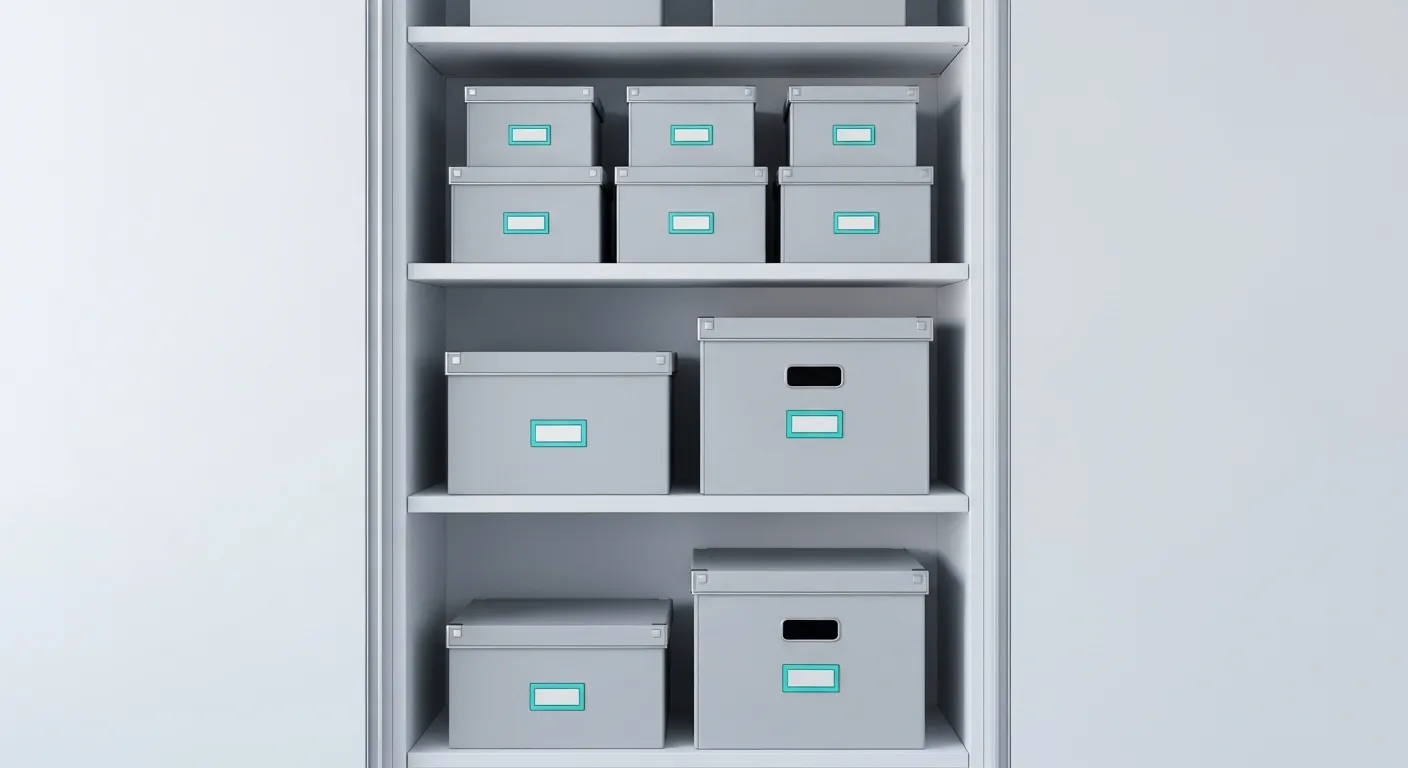
- Use the Four-Box Method: Label four boxes as Keep, Sell, Donate, and Trash. As you go through items, place them in the appropriate box to streamline the decision-making process.
- Set a Timeline: Dedicate a specific amount of time daily or weekly to decluttering. Consistency is key to making significant progress.
Sorting and Categorizing Your Belongings
Once you’ve decluttered, the next step is to sort and categorize your belongings. This makes it easier to organize and maintain order in each room:
- Set Categories: Group similar items together, such as books, toys, documents, and kitchen utensils.
- Create Zones: Within each room, define specific areas for certain activities (e.g., a reading nook in the living room or a designated cooking area in the kitchen).
- Prioritize Frequently Used Items: Keep items you use regularly easily accessible while storing seldom-used items out of the way.
Implementing Effective Storage Solutions
After sorting through your items, it’s time to focus on storage solutions that keep everything in its place:
- Utilize Vertical Space: Install shelves or cabinets that reach upward, maximizing storage without taking up extra floor space.
- Use Multi-functional Furniture: Look for furniture pieces that offer storage options, such as ottomans with hidden compartments or beds with drawers beneath them.
- Invest in Clear Bins: Transparent storage containers allow you to see the contents easily, making it simpler to find what you need without rummaging through endless boxes.
Developing a Cleaning Routine
With your home organized, establishing a cleaning routine is crucial for maintaining order and cleanliness. This can be tailored to fit your schedule:
- Daily Cleanup: Dedicate 15-30 minutes each day for quick tidying. This could include putting items back in place, wiping surfaces, and doing quick sweeps of common areas.
- Weekly Deep Cleaning: Reserve a day each week for deeper cleaning tasks, such as vacuuming, mopping, and bathroom scrubbing. Create a checklist to ensure nothing is overlooked.
- Monthly Maintenance: Set aside time each month to reassess your organization, make adjustments, and declutter any items that may have accumulated.
Room-by-Room Organization Strategies
Each room in your house has unique organization needs. Here are tailored strategies for common areas:
Living Room
- Limit decor to a few meaningful pieces.
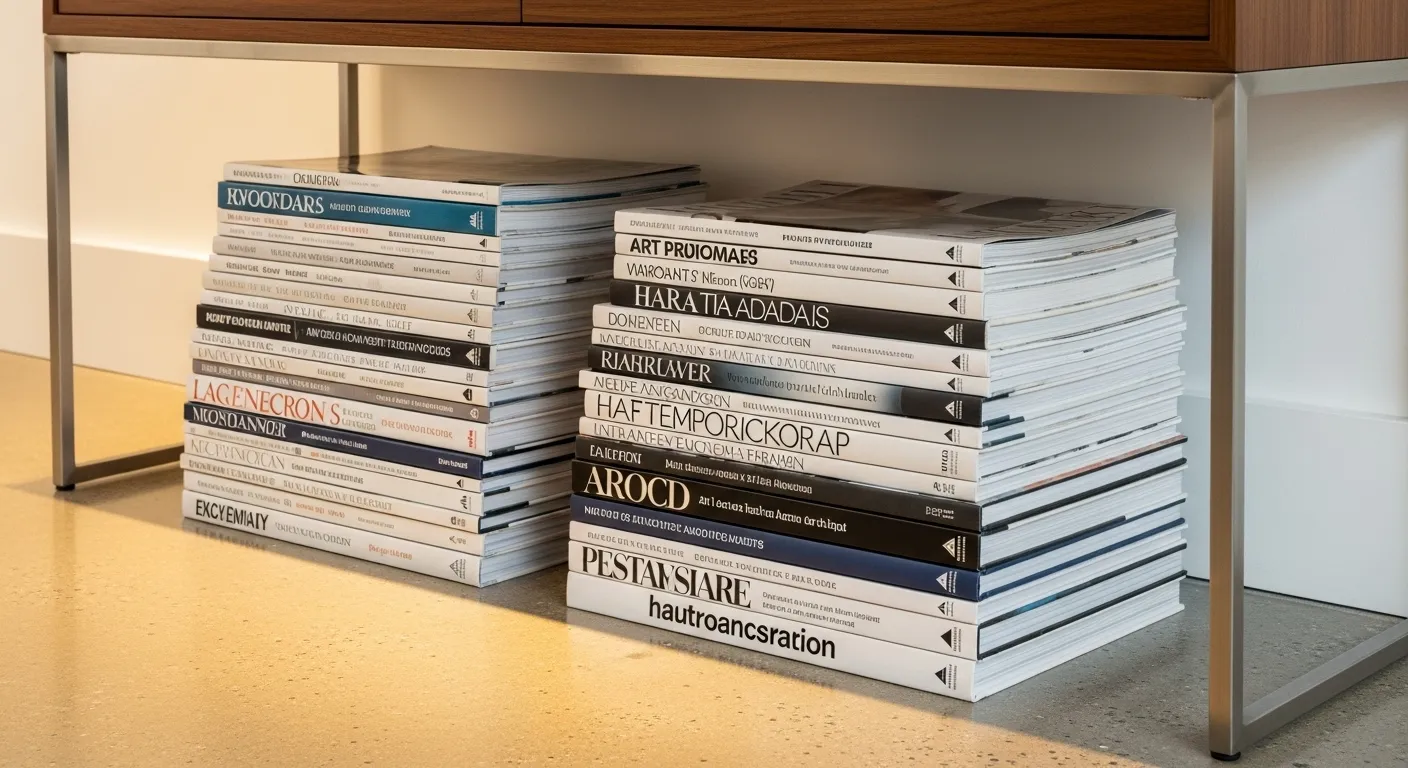
- Use baskets or decorative boxes to store remote controls, magazines, and toys.
- Consider a media console to organize electronics and keep cords hidden.
Kitchen
- Arrange pantry items by category (canned goods, snacks, baking supplies).
- Use drawer dividers to keep utensils, cutlery, and gadgets organized.
- Label containers for easy identification.
Bedroom
- Choose a decluttered nightstand with just a few essentials.
- Rotate seasonal clothing in your closet to optimize space.
- Use under-bed storage for out-of-season items or extra linens.
Maintaining an Organized Home: Time Management Tips
Once your home is organized, maintaining it requires effective time management strategies:
- Time Blocking: Schedule specific blocks of time weekly for maintenance and cleaning to keep your organization system on track.
- Set Reminders: Use calendars or apps to remind you of cleaning days and other organizational tasks.
- Involve Family Members: Share duties among family members. Set up a chore chart if needed, making the process collective and manageable.
Adopting Minimalist Routines
Consider adopting minimalist routines to facilitate an organized lifestyle:
- One In, One Out: For every new item you bring into your home, remove one. This keeps clutter at bay and ensures you truly value what you own.
- Practice Mindful Consumption: Before making a purchase, ask yourself if it’s necessary and how it fits into your organized routine.
- Streamline Tasks: Combine chores where possible, such as vacuuming while hot water is running for dishes.
Final Thoughts on Arranging Your House
Arranging your house is a journey that starts with understanding your personal needs and goals. By approaching it step-by-step—decluttering, sorting, implementing storage solutions, and establishing routines—you can create a space that not only looks good but also feels good to live in. Embrace the process and remember that small, consistent efforts lead to lasting changes. With a little patience and commitment, you can transform your home into a peaceful sanctuary that brings joy and reduces stress.

Related Articles
Our Categories:
-
⭐ Organization & Practical Living: Seu guia fundamental para criar um lar funcional, implementar sistemas de eficiência e construir uma vida cotidiana mais organizada e livre de estresse.
-
🏠 Home Organization: Guias fundamentais e planos sistemáticos para organizar cada cômodo, garantindo um layout de casa eficiente e livre de desordem.
-
✨ Decluttering Tips: Estratégias acionáveis, conselhos de especialistas e métodos passo a passo para simplificar seu espaço, reduzir pertences e manter uma mentalidade minimalista.
-
🧼 Cleaning Routines: Checklists eficientes, truques de limpeza rápida e recomendações de produtos sustentáveis para manter uma casa limpa e brilhante sem estresse.
-
📦 Storage Solutions: Ideias criativas e práticas para maximizar cada centímetro de espaço, utilizando armazenamento vertical e investindo em recipientes inteligentes e funcionais.
-
🗺️ Room By Room Guides: Tutoriais detalhados e específicos, e checklists para organização profunda e estilo de áreas individuais como cozinha, quarto e hall de entrada.
-
💡 Daily Life Hacks: Dicas rápidas e inteligentes, e ajustes simples na rotina diária que economizam tempo, aumentam a energia e tornam a vida cotidiana mais fácil de gerenciar.
-
⏳ Time Management Basics: Métodos simples e técnicas fundamentais para planejar, priorizar tarefas, definir metas e implementar o time-blocking para maximizar a produtividade.
-
✅ Checklists And Planners: Modelos para impressão, ferramentas e sistemas para planejar refeições, manutenção doméstica, mudança e rastreamento de tarefas para manter a vida funcionando perfeitamente.

How Do I Arrange My House?
Arranging your house can feel overwhelming, especially if you’re trying to keep a budget in mind. Yet, many find that a well-organized home not only enhances functionality but also positively impacts finances by promoting a more efficient lifestyle. With the right strategies, you can create a harmonious living space that reflects your personality and supports your financial goals. From decluttering to creating zones, each step helps streamline your house arrangement, improving both comfort and economy.
Conclusion
Effectively arranging your house involves thoughtful planning and execution. By prioritizing areas that need attention and investing in necessary organization tools, you can create a space that not only looks great but also supports your financial aims. Whether it’s maximizing small spaces or cutting down on unnecessary purchases, a streamlined home can save money in the long run. Remember, taking the first step toward better organization can lead to lasting changes that enhance your quality of life while being financially savvy.
FAQs
1. How do I start arranging my house?
Start by decluttering each room. Remove items you no longer use, then categorize what you have. This makes it easier to visualize how to arrange your space efficiently.
2. What’s the best way to arrange furniture?
Use the “focal point” method. Identify a focal point like a fireplace or TV, and arrange furniture around it for a cohesive design.
3. How do I maximize small spaces?
Utilize vertical storage solutions, such as shelves and hooks. Multi-functional furniture can also provide extra space without cluttering.
4. How can I make my home more organized?
Implement organizational systems; use baskets, shelving units, and drawer dividers to keep items stored neatly and easily accessible.
5. What are some financial benefits of an organized home?
An organized home can reduce stress, prevent unnecessary purchases, and make it easier to locate items, ultimately saving money.
6. Should I hire a professional organizer?
If your budget allows, hiring a professional can provide expertise and help you save time, leading to better organization strategies.
7. How often should I rearrange my house?
Consider rearranging key areas seasonally or when you feel your space has become cluttered or unproductive.
8. What are some cheap storage solutions?
Repurposed items like shoeboxes and jars can serve as inexpensive storage. Thrift stores often offer affordable baskets and bins as well.
9. How do I create a cleaning schedule?
Break down tasks by daily, weekly, and monthly. Allocate specific days for larger tasks, keeping your home organized year-round.
10. What items should I get rid of to declutter?
Eliminate clothes, gadgets, and furniture that you haven’t used in the past year. Focus on items with sentimental value but consider practicality too.
11. How do I organize my kitchen effectively?
Group similar items, prioritize frequent-use items by placing them at eye level, and maximize cabinet space with organizers and bins.
12. What are some zones I can create in my home?
Create zones for work, relaxation, and family gatherings. Each area should serve a specific function to promote better organization.
13. How can I make my home more inviting?
Incorporate personal touches like photos and artwork, maintain a tidy appearance, and use lighting to create a warm atmosphere.
14. What is the best way to maintain an organized home?
Establish a ‘one in, one out’ rule: for each new item brought in, an old one must go out. Consistency is key to maintenance.
15. How can I involve my family in organizing?
Make organizing a family project. Assign tasks based on age and ability, turning it into an engaging activity to foster teamwork.