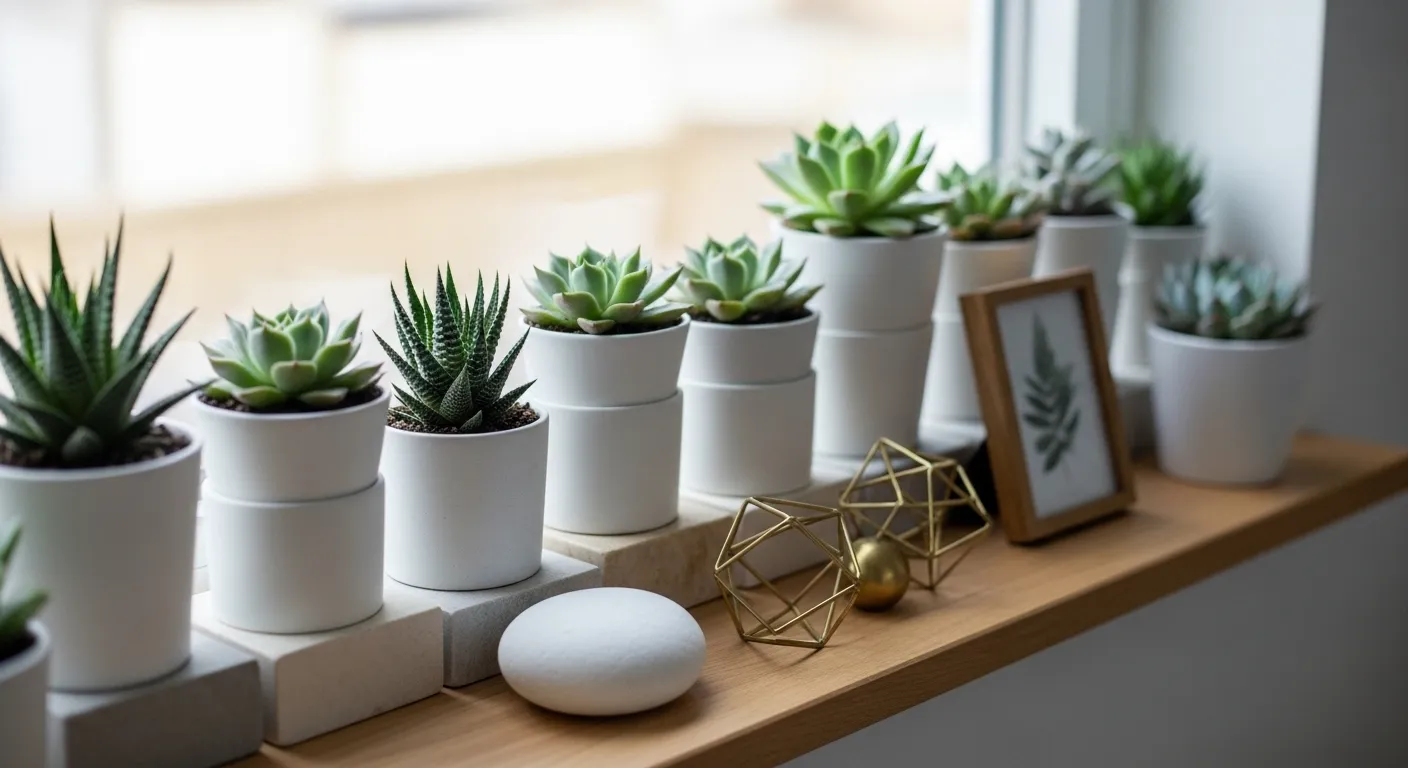
What is the 80/20 rule for decluttering?
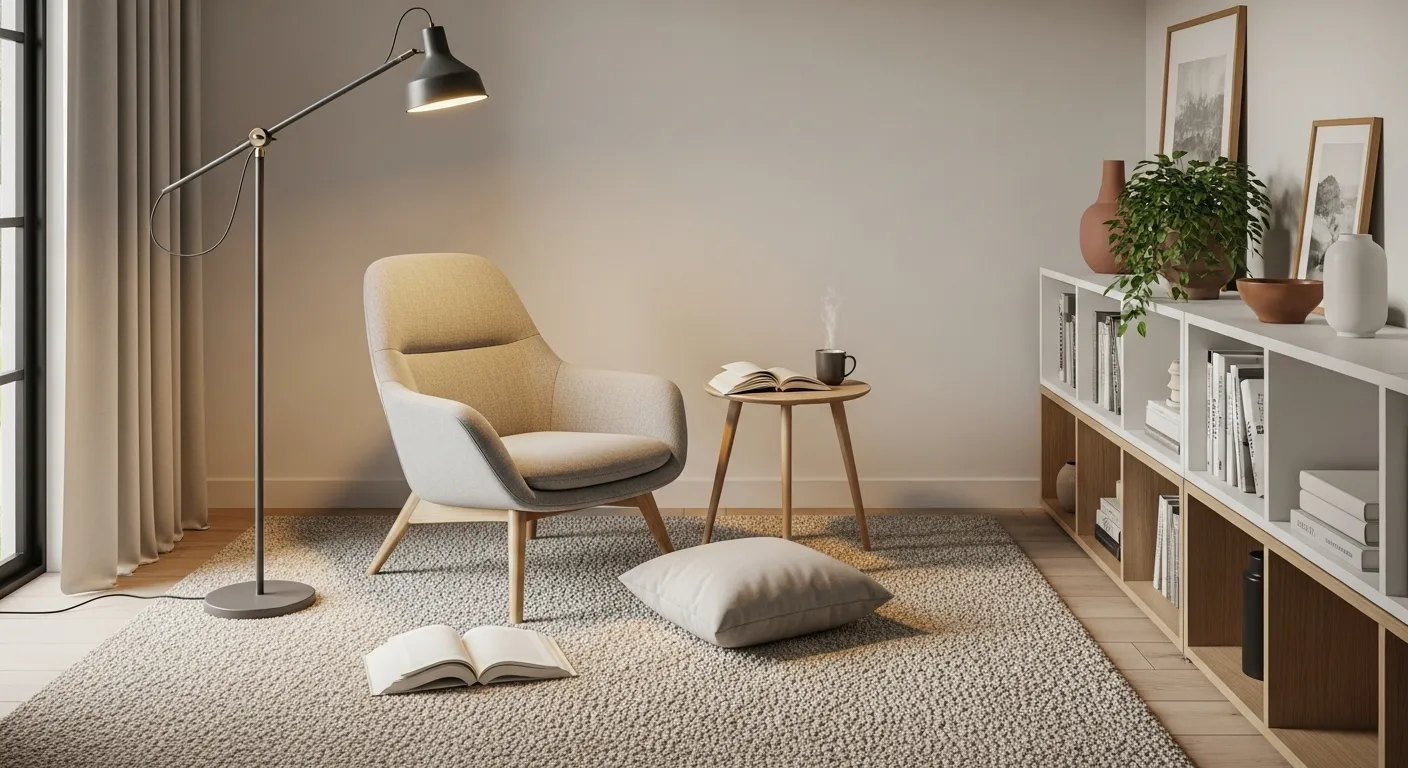
What is the 80/20 rule for decluttering?
The 80/20 rule for decluttering, also known as the Pareto Principle, suggests that approximately 80% of our clutter comes from 20% of our possessions. This principle encourages individuals to identify and focus on the items that contribute most to their disorganization. By prioritizing the decluttering of these high-impact items, one can achieve a more streamlined and organized space efficiently. It emphasizes the significance of quality over quantity in maintaining a clutter-free environment.
What is the 80/20 Rule for Decluttering?
Understanding the 80/20 Rule: A Brief Overview
The 80/20 rule, also known as the Pareto Principle, suggests that 80% of results come from just 20% of efforts. When applied to decluttering, this principle highlights that a small portion of your belongings often accounts for the majority of the clutter and stress in your life. By focusing on these critical items, you can achieve a significant transformation in your home with minimal effort.
Recognizing Your Clutter: Identifying the 20%
To effectively embrace the 80/20 rule in your decluttering process, start by identifying the 20% of items that contribute most to your clutter. Here are some practical steps to help you do this:
- Audit Your Space: Take a walk through your home, room by room. Make a note of the areas that feel cluttered or overwhelming.
- Ask Yourself Key Questions: For each item, ask: “When was the last time I used this?” or “Does this bring me joy?” These questions can help you pinpoint items that are taking up space unnecessarily.
- Keep a Simple Log: Document your findings. Write down the items you notice most often in your cluttered spaces; these are your potential 20%.
Establishing Decluttering Goals
Once you’ve identified the critical items causing clutter, it’s time to set practical decluttering goals. Implementing the 80/20 rule helps you streamline your efforts, focusing on what truly matters:
- Define Your Main Objectives: Do you want more physical space? A calming environment? Write down what you hope to achieve through decluttering.
- Prioritize Rooms or Areas: Consider tackling one room at a time to avoid feeling overwhelmed. Identify which room contributes the most to your clutter stress.
- Allocate Time Blocks: Use time-blocking strategies to dedicate specific periods to decluttering sessions. Even 10-15 minutes can lead to significant progress.
Sorting Items Effectively
As you begin the decluttering process, it’s essential to implement a sorting system that aligns with the 80/20 rule. Here’s a straightforward method to streamline your sorting:
- Three-Box Method: Label three boxes as “Keep,” “Donate,” and “Trash.” Begin by sorting items into these categories.
- Focus on Frequently Used Items: While sorting, keep in mind those items that serve a purpose or bring you joy. Aim to keep only those that are used regularly.
- Be Decisive: If you hesitate while deciding, consider whether you’ve used the item in the past year. If not, it may be part of your 80% clutter.
Creating Efficient Storage Solutions
After decluttering, the next step is to find efficient storage solutions that prevent clutter from returning. Here are some practical tips:
- Utilize Vertical Space: Shelves and wall-mounted organizers are excellent for maximizing space. Use them to store items you want to keep but keep them visible and accessible.
- Invest in Multi-Functional Furniture: Consider furniture pieces that serve dual purposes, such as ottomans that provide storage space, to save room.
- Label Storage Bins: Clearly labeling bins helps everyone in your household know where items belong, making tidying up easier for everyone.
Routine Maintenance: Keeping Clutter at Bay
Establishing a regular maintenance routine is crucial for keeping clutter at bay. Here are some simple strategies to ensure your home stays organized:
- Daily Declutter Sessions: Spend just five minutes a day tidying up. Aim to return items to their designated places to prevent buildup.
- Weekly Check-Ins: Allocate time each week to reassess areas for new clutter. If you notice items accumulating, add them to your decluttering list.
- Implement a “One in, One out” Policy: Whenever you acquire something new, consider letting go of something old. This helps to maintain balance in your belongings.
Incorporating the 80/20 Rule into Your Lifestyle
Adopting the 80/20 rule goes beyond just decluttering. It can help you simplify and organize other aspects of your life. Here’s how you can incorporate this philosophy:
- Focus Your Time Wisely: Identify tasks that yield the most significant benefits and prioritize those in your daily schedule.
- Streamline Your Routines: Evaluate your daily routines and look for opportunities to simplify them. Focus on the activities that contribute most to your well-being.
- Purge Regularly: Make decluttering a quarterly or seasonal event. Regular purging prevents items from building up again.
Finding Motivation in Minimalism
Staying motivated throughout your decluttering journey can be challenging. Here are a few techniques to inspire you:
- Visualize Your Space: Create a mental image or a vision board of your ideal clutter-free home to keep you focused on your goals.
- Celebrate Progress: No matter how small, celebrate your achievements. Acknowledge what you’ve accomplished to bolster your motivation.
- Join a Community: Engage with online groups or local organizations focused on decluttering and minimalism. Sharing your goals with others can enhance accountability and motivation.
Conclusion
Embracing the 80/20 rule for decluttering can fundamentally transform your home and your life. By focusing on the items that truly matter and creating efficient routines, you not only clear your space but also pave the way for a more enjoyable and stress-free living environment. Remember, it’s about progress, not perfection. Start small, take actionable steps, and watch how your home evolves into a place of peace and productivity. Your stress-free home is achievable, and you have the power to create it!

Related Articles
Our Categories:
-
⭐ Organization & Practical Living: Seu guia fundamental para criar um lar funcional, implementar sistemas de eficiência e construir uma vida cotidiana mais organizada e livre de estresse.
-
🏠 Home Organization: Guias fundamentais e planos sistemáticos para organizar cada cômodo, garantindo um layout de casa eficiente e livre de desordem.
-
✨ Decluttering Tips: Estratégias acionáveis, conselhos de especialistas e métodos passo a passo para simplificar seu espaço, reduzir pertences e manter uma mentalidade minimalista.
-
🧼 Cleaning Routines: Checklists eficientes, truques de limpeza rápida e recomendações de produtos sustentáveis para manter uma casa limpa e brilhante sem estresse.
-
📦 Storage Solutions: Ideias criativas e práticas para maximizar cada centímetro de espaço, utilizando armazenamento vertical e investindo em recipientes inteligentes e funcionais.
-
🗺️ Room By Room Guides: Tutoriais detalhados e específicos, e checklists para organização profunda e estilo de áreas individuais como cozinha, quarto e hall de entrada.
-
💡 Daily Life Hacks: Dicas rápidas e inteligentes, e ajustes simples na rotina diária que economizam tempo, aumentam a energia e tornam a vida cotidiana mais fácil de gerenciar.
-
⏳ Time Management Basics: Métodos simples e técnicas fundamentais para planejar, priorizar tarefas, definir metas e implementar o time-blocking para maximizar a produtividade.
-
✅ Checklists And Planners: Modelos para impressão, ferramentas e sistemas para planejar refeições, manutenção doméstica, mudança e rastreamento de tarefas para manter a vida funcionando perfeitamente.

What is the 80/20 Rule for Decluttering?
Understanding the 80/20 rule, often known as the Pareto Principle, can significantly transform your decluttering process, especially in your financial life. This rule states that roughly 80% of your results come from 20% of your efforts. When applied to decluttering, it suggests that 80% of the clutter in your space comes from just 20% of your items. By focusing on the vital 20%, you can achieve a more organized home and a more efficient financial life. This approach helps you prioritize significant items while letting go of unnecessary duplicates or items that do not serve a purpose. Thus, you save time, money, and energy.
Conclusion
Incorporating the 80/20 rule into your decluttering strategy offers profound benefits, not only in enhancing your living space but also in improving your financial management. By eliminating excess and focusing on what truly matters, you can better allocate your resources, leading to financial savings and a sense of peace. This principle not only aids in decluttering but also provides a pathway to making better purchasing decisions and understanding your spending habits. Make the most of your efforts by focusing on the small percentage that yields the most significant change and watch your life transform.
Frequently Asked Questions
What is the 80/20 rule in decluttering?
The 80/20 rule, or Pareto Principle, suggests that about 80% of your clutter comes from 20% of your items. It encourages prioritizing the items that truly matter to reduce clutter effectively.
How can I apply the 80/20 rule to decluttering my finances?
Focus on identifying the 20% of your expenses that account for 80% of your financial stress. Eliminate or reduce these costs to gain better control of your finances.
What types of items should I focus on decluttering first?
Start with high-impact areas like clothing, kitchen gadgets, and paperwork. These often contain the most clutter and are easier to tackle using the 80/20 approach.
Can the 80/20 rule help with emotional attachments to items?
Yes, it helps you identify which items truly bring you joy or serve a purpose, allowing you to discard or donate the rest without guilt.
How does decluttering affect my finances?
Decluttering can reduce spending on unnecessary items, leading to potential savings. It also helps you regain space to manage finances better without distractions.
Is there a specific process to follow when decluttering?
Begin by selecting one area and applying the 80/20 rule: identify must-keep items, then declutter the rest. Repeat this process in other areas.
What should I do with items I decide to declutter?
You can donate, sell, or recycle items you no longer need. Consider local charities, online marketplaces, or recycling centers for eco-friendly options.
How often should I declutter my space?
Regularly evaluate your belongings every few months. Scheduling seasonal decluttering sessions can help maintain a clutter-free environment.
Can I use the 80/20 rule for my investments?
Absolutely! Focus on the 20% of investments that generate the majority of your returns to streamline your portfolio and simplify management.
What mindset is needed for successful decluttering?
A mindset of appreciation and practicality helps. Acknowledge the value of items that add meaning and utility while being willing to let go of the rest.
Does decluttering lead to a more productive environment?
Yes, a decluttered space promotes focus and clarity, enhancing productivity, making it easier to manage tasks and finances effectively.
What tools or resources can help with decluttering?
Consider using apps for organization, storage solutions for keeping items focused, or professional organizers for guidance on your decluttering journey.
Is there a connection between decluttering and financial planning?
Yes, both processes require assessing needs vs. wants. Decluttering helps you identify unnecessary expenses, improving your financial strategy overall.
Are there any decluttering myths?
Common myths include believing that you must keep everything sentimental or that decluttering is a one-time task. Recognize that it’s a continuous process.
Can the 80/20 rule be applied to digital decluttering?
Definitely! Identify the 20% of digital files or apps that you frequently use and streamline everything else to reduce digital clutter and enhance productivity.